
OpenAI Weighs Slower AI Development as Safety Concerns Mount
Sam Altman has discussed slowing advanced AI development, Bloomberg reports, as OpenAI’s chief scientist argues for coordination and stronger safeguards.
A loss function converts the difference between a model’s output and the desired result into a number that training can minimize. Different tasks require different definitions of error: classification may penalize incorrect class probabilities, regression may measure numerical distance, and generative models may combine several objectives. The chosen loss shapes what the system learns, including which mistakes matter most and how imbalanced examples are treated. A falling training loss does not prove that the model will work well in production, because it can memorize data or optimize a proxy that misses the real goal. Validation metrics, subgroup analysis, and domain-specific costs must therefore accompany the training objective.
Sam Altman has discussed slowing advanced AI development, Bloomberg reports, as OpenAI’s chief scientist argues for coordination and stronger safeguards.
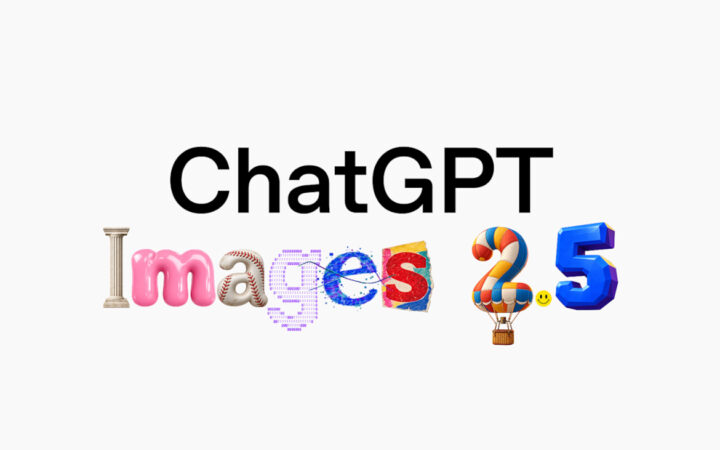
OpenAI has launched ChatGPT Images 2.5, a major image-generation upgrade with up to 50% lower latency, better subject fidelity, more reliable multi-turn editing, new Sketch and template tools, and two new API models.
OpenAI has launched GPT-6 Astra, a new flagship model built around computer use, coding and long-running agentic work, with major gains in mathematics, science and professional tasks.
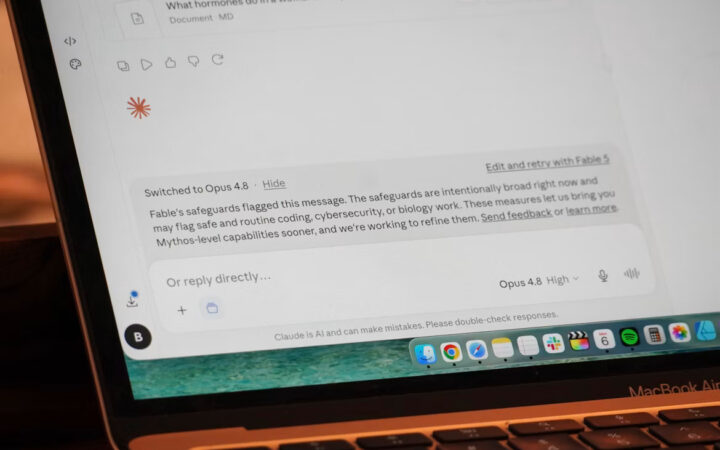
Anthropic has released Claude Fable 5.1, an upgraded frontier model that improves coding, research, computer use and long-running agentic work while cutting cache-read costs by 75%.
OpenAI paused reinforcement learning on its newest models after it could not rule out that an upcoming model, Astra, reached the top cybersecurity risk tier in its safety framework.
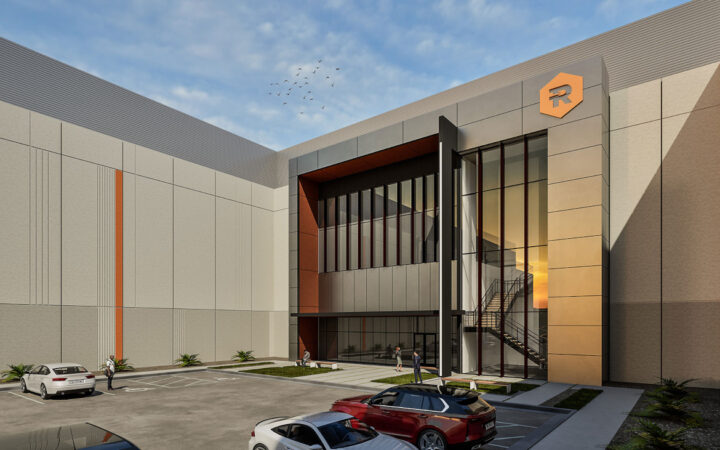
Anthropic has reportedly signed a 20-year, $9.1 billion data center agreement with Riot Platforms for 191 MW of AI computing capacity at the bitcoin miner’s Rockdale campus in Texas.

Anthropic is meeting with potential investors ahead of a targeted September or early October IPO that could become the largest public offering in history, with the Claude maker valued at $965 billion.

Meta has released Muse Glimmer, a 30-billion-parameter open-weight model built for local AI agents, coding, tool use, and multimodal tasks on a single consumer GPU or high-end Mac.

Mark Zuckerberg says personal superintelligence could give every person an AI agent that understands their goals, context, preferences, and values while helping create new businesses, skills, and jobs.
Cloudflare says AI agents, bots, and other automated systems could generate up to 1,000 times more internet traffic than humans within five years as machine activity accelerates.