Why the Goldman Sachs CEO Isn’t Buying the AI‑Jobs Apocalypse
Major companies including Meta, Amazon, and YouTube are reducing white-collar staff as AI adoption accelerates. Goldman Sachs CEO warns of disruption but foresees workforce adaptation.
A Large Language Model (LLM) is an advanced type of artificial intelligence system trained on vast amounts of text data to understand and generate human-like language. Using deep learning architectures – most commonly transformer networks – LLMs can perform tasks such as writing, summarizing, translating, answering questions, and reasoning with context. These models learn patterns in grammar, semantics, and facts from their training data, allowing them to produce coherent and contextually relevant responses. Well-known examples include ChatGPT, Claude, and Gemini, which power chatbots, content tools, and enterprise AI solutions. As LLMs grow in size and capability, they raise new opportunities for productivity and creativity, along with challenges around accuracy, bias, and transparency.
Major companies including Meta, Amazon, and YouTube are reducing white-collar staff as AI adoption accelerates. Goldman Sachs CEO warns of disruption but foresees workforce adaptation.
OpenAI and Amazon Web Services have announced a $38 billion multi-year partnership that will provide OpenAI with massive AWS infrastructure to power advanced AI workloads and future models.
OpenAI is laying the groundwork for an initial public offering that could value the company at up to $1 trillion, positioning it as one of the most anticipated tech listings in history.
Cisco and NVIDIA unveil industry-first solutions for AI-ready data centers, including the N9100 series switch and Secure AI Factory enhancements, empowering enterprises, neocloud, and telecom customers with unmatched flexibility, performance, and security.
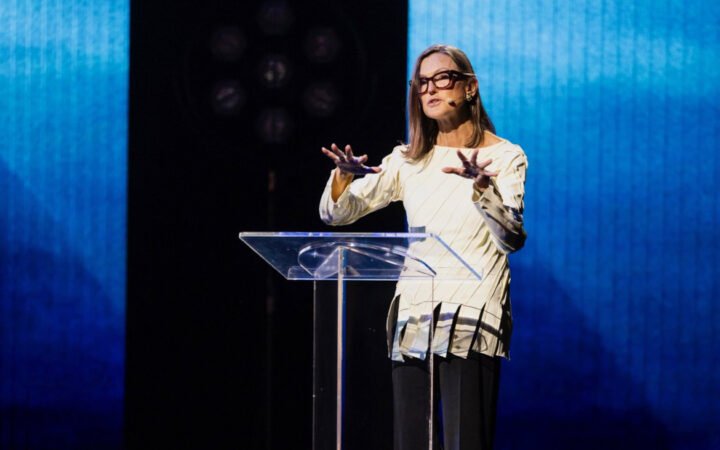
Ark Invest CEO Cathie Wood says humanoid robots could become the most transformative opportunity in artificial intelligence, eclipsing sectors like autonomous transport and healthcare.
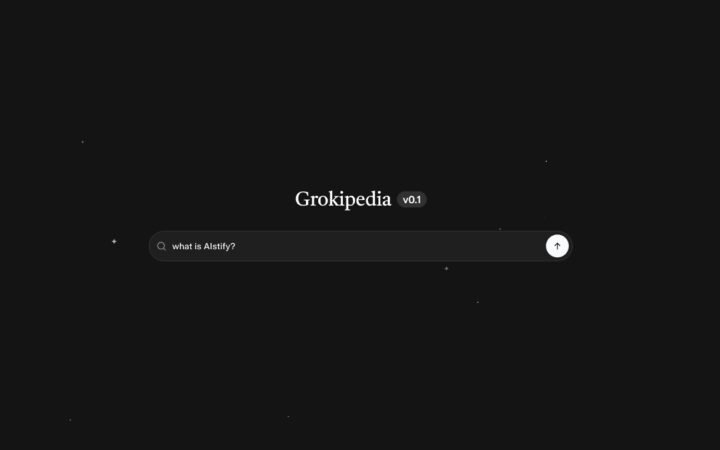
Elon Musk has unveiled Grokipedia – an AI-driven encyclopedia built on Grok that aims to offer factual, bias-free knowledge as an alternative to Wikipedia.
A study by the University of Maryland and Microsoft found that Polish outperforms English and other major languages in long-context AI prompts, surprising researchers.
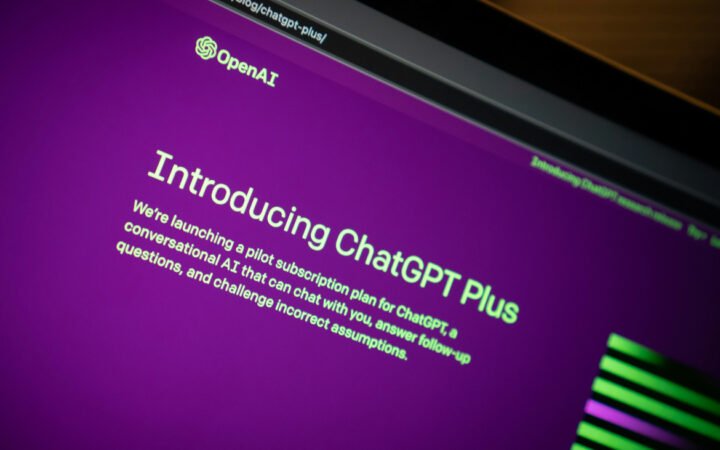
OpenAI has unveiled ChatGPT Atlas, a new web browser with ChatGPT integrated directly into its interface, blending AI assistance, search, and memory into everyday browsing.
Neobank Revolut has acquired Berlin-based AI travel agent start-up Swifty, integrating its conversational booking technology into Revolut’s loyalty and lifestyle platform for over 65 million users.
Andrew Tulloch, co-founder of the $12 billion AI startup Thinking Machines Lab, has joined Meta after previously rejecting what reports described as a $1.5 billion offer — a figure Meta has since called ‘inaccurate and ridiculous.’