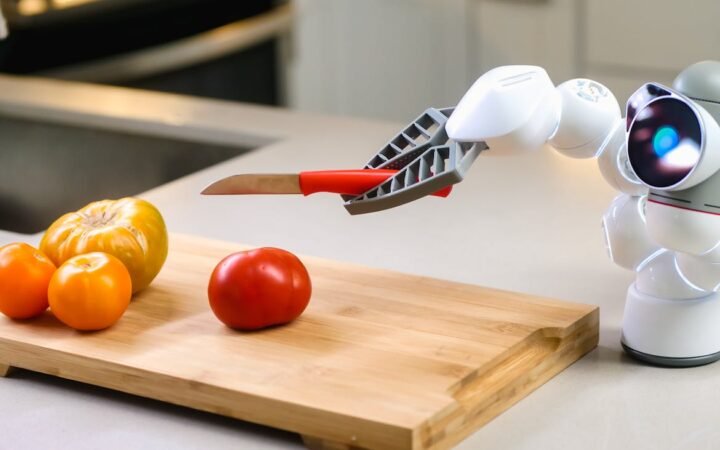
AI Agents Can Now Hire Humans to Finish Tasks They Cannot
A new platform called Rent a Human allows AI agents to outsource tasks to real people when automation falls short, highlighting an unusual hybrid model of human-in-the-loop labor.
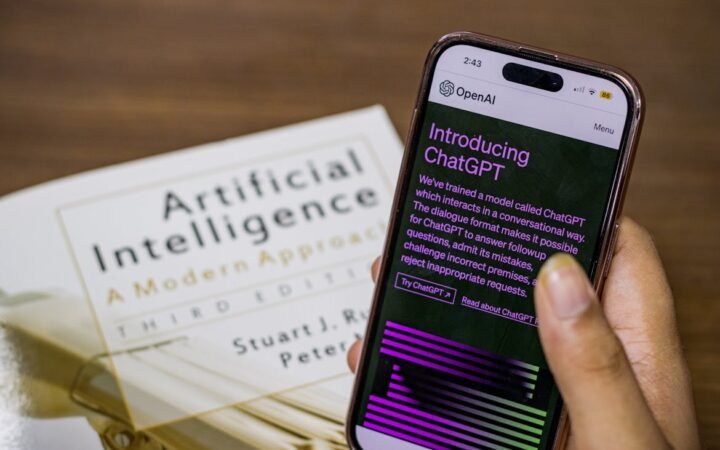
Image recognition is a branch of artificial intelligence and computer vision that enables machines to identify and classify objects, people, places, or patterns within images. It works by training deep learning models on large datasets of labeled visuals, allowing the system to detect features such as shapes, colors, and textures. This technology powers applications like facial recognition, medical imaging analysis, quality control in manufacturing, and autonomous vehicles. By mimicking the human visual process, image recognition systems can interpret visual data with increasing accuracy and speed. As models improve, they are expanding into areas like real-time monitoring, augmented reality, and advanced security solutions.
A new platform called Rent a Human allows AI agents to outsource tasks to real people when automation falls short, highlighting an unusual hybrid model of human-in-the-loop labor.

Artificial intelligence has become the top investment theme for global family offices, while cryptocurrencies remain largely sidelined, according to JPMorgan’s latest global survey.
SpaceX has acquired Elon Musk’s AI company xAI, combining rockets, satellites, and artificial intelligence into a vertically integrated effort aimed at scaling AI compute beyond Earth.
Google DeepMind has introduced AlphaGenome, a new AI model designed to analyze long DNA sequences and predict how genetic variations may influence disease development.
OpenAI now uses age prediction to adjust ChatGPT’s safety settings for teens. Users 18 and older can verify their age to disable extra restrictions.
OpenAI is on track to unveil its first consumer device in the second half of 2026, signaling a major expansion beyond software as the company explores a new category of AI-native hardware.
OpenAI has invested in Merge Labs, a brain-computer interface startup founded by CEO Sam Altman, as part of a $250 million seed round valuing the company at $850 million.
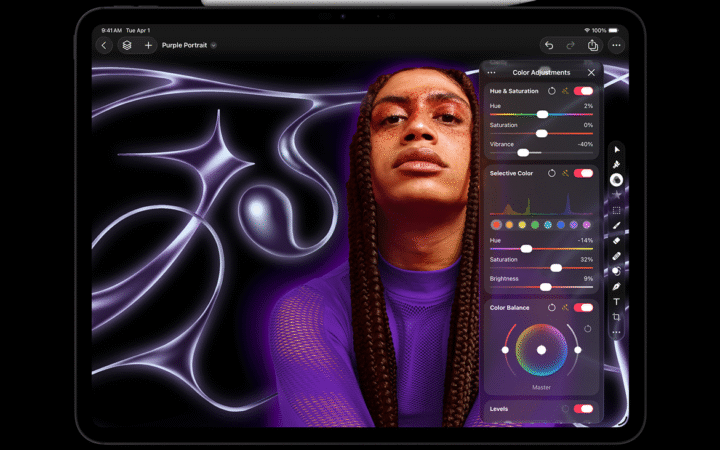
Apple introduced Apple Creator Studio, a subscription bundle combining professional creative apps with new AI-driven features across video, music, imaging, and productivity tools. The offering expands Apple’s push into intelligent software workflows for creators.
Google released a major upgrade to its Gemini Deep Research agent, giving developers access to advanced autonomous research capabilities through the Interactions API. The company also introduced DeepSearchQA, a benchmark for evaluating multi-step web research agents.
Google introduced the Titans architecture and the MIRAS framework to enable AI models to handle massive contexts and update their internal memory while running, improving performance in long-sequence tasks.