Nonprofits Call for Federal Suspension of xAI’s Grok
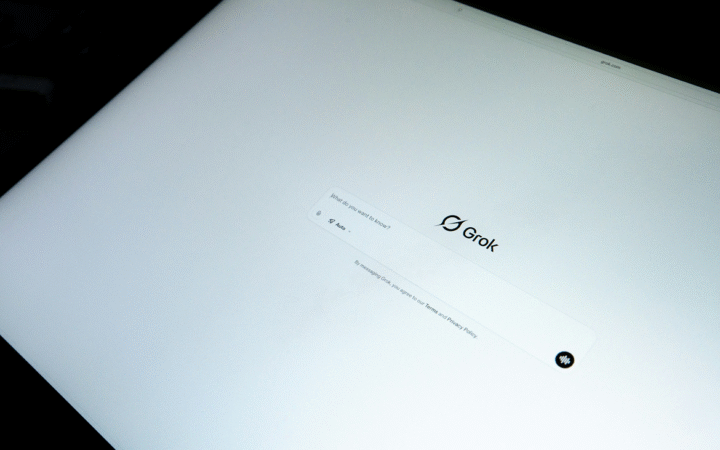
A coalition of nonprofits urges federal suspension of xAI’s Grok AI, highlighting nonconsensual image generation, bias, and potential national security threats.
An adversarial attack attempts to make an AI system fail by supplying carefully designed input. The change may be almost invisible to a person while causing a model to misclassify an image, follow a malicious instruction, or reveal protected behavior. Attackers can exploit knowledge of the model or probe it through repeated queries. Defenses include adversarial training, input validation, access controls, monitoring, and tests that simulate realistic threats. No single defense removes every risk because attacks evolve alongside models. Security teams therefore evaluate the complete system, including connected tools, data pipelines, user permissions, and the consequences of an incorrect or manipulated output.
A coalition of nonprofits urges federal suspension of xAI’s Grok AI, highlighting nonconsensual image generation, bias, and potential national security threats.

A new assessment by Common Sense Media finds xAI’s Grok chatbot exposes minors to sexual, violent, and unsafe content, with weak age verification and ineffective safety controls.
Climate tech startup Rainbow Weather has raised $5.5 million in seed funding to scale its AI-driven platform for hyper-local, real-time weather forecasting and environmental intelligence.
Utah launches an AI pilot for prescription renewals, letting algorithms handle routine medication management without physicians, highlighting regulatory and safety challenges.
Anthropic publishes Claude’s constitution, a detailed framework guiding AI behavior, ethics, safety, and helpfulness, available under Creative Commons for transparency and research.
OpenAI now uses age prediction to adjust ChatGPT’s safety settings for teens. Users 18 and older can verify their age to disable extra restrictions.
OpenAI is on track to unveil its first consumer device in the second half of 2026, signaling a major expansion beyond software as the company explores a new category of AI-native hardware.
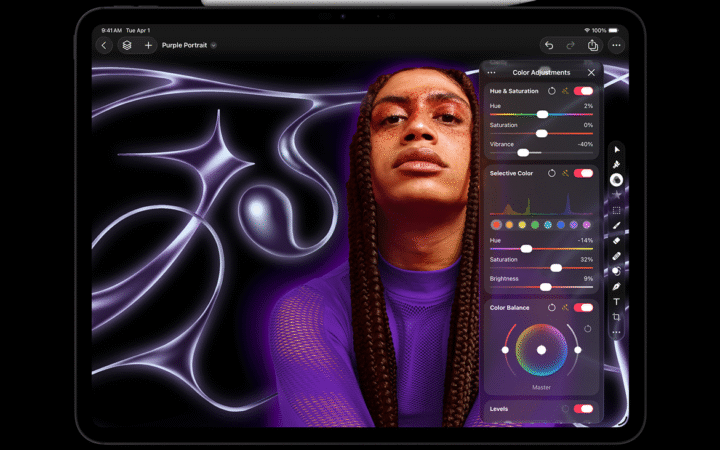
Apple introduced Apple Creator Studio, a subscription bundle combining professional creative apps with new AI-driven features across video, music, imaging, and productivity tools. The offering expands Apple’s push into intelligent software workflows for creators.
OpenAI is hiring a Head of Preparedness to study emerging risks tied to rapidly advancing AI models, including mental health impacts and cybersecurity threats. The move reflects rising concern over how frontier capabilities could be misused as models grow more powerful.
Google introduced the Titans architecture and the MIRAS framework to enable AI models to handle massive contexts and update their internal memory while running, improving performance in long-sequence tasks.