Key Notes
- Jack Clark says the AI singularity has begun, arguing that scientific progress is starting to outpace human understanding.
- He suggests that interpreting some AI-written mathematics could take people tens or hundreds of times longer than generating it took machines.
- His Machine Hermeneutics story is a fictional exploration of that concern, first published in Import AI on November 23 and shared on X on November 27.
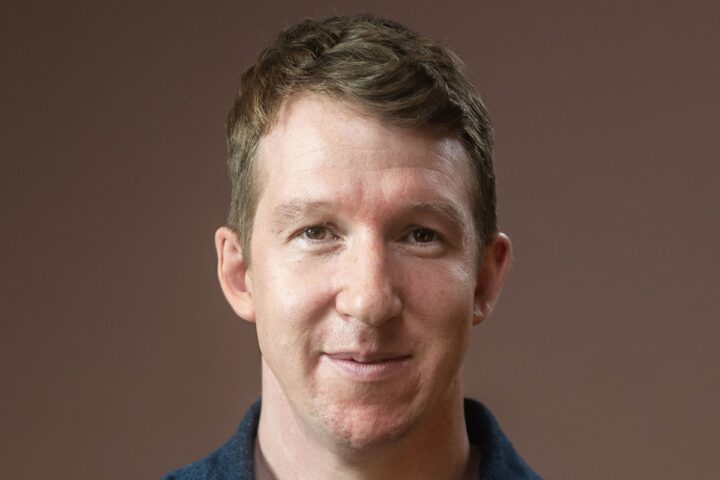
Anthropic co-founder Jack Clark says the AI singularity has begun, arguing that machines are pushing scientific discovery forward faster than people can absorb the results.
In an article he shared on X on November 27, Clark imagines a field called Machine Hermeneutics: the work of translating machine-generated science into explanations people can understand. He lists “the singularity which has already begun” among the inspirations for the accompanying fiction.
Machine architecture and the objectivity crisis of Machine Hermeneutics
Jack Clark (@jackclarkSF) November 27, 2026
When Discovery Outruns Understanding
Clark suggests people may spend tens or hundreds of times longer understanding this year’s machine-written mathematics than the systems spent producing it. He presents that comparison as a possibility, without supplying a measured, field-wide estimate.
His story, first published in the November 23 edition of Import AI, is set in 2033. Under its imagined rules, humans must explain an AI invention before it can be used. Researchers struggle as discoveries become stepping stones to new instruments and further discoveries, each requiring another layer of explanation.
The practical issue is familiar even without accepting Clark’s broader prediction. Producing a proposed result and deciding whether to trust it are separate tasks. Researchers need to inspect assumptions, identify errors and understand where a finding can safely be applied.
A Definition He Has Used Before
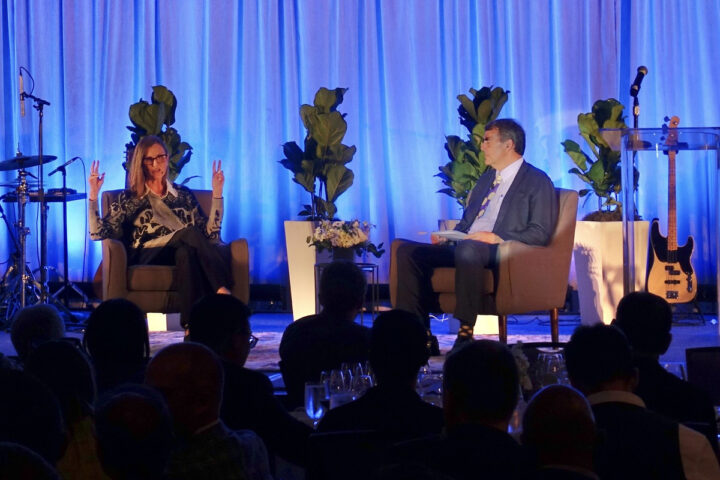
Clark had already argued that the singularity was beginning in a speech delivered at an IMF gathering in Bangkok on October 17. In that account, the defining change is scientific and technological progress becoming difficult for humans to follow and interpret.
His emphasis is on accelerating the research process: AI that assists with experiments and software can also help build the tools for subsequent advances. He told the audience to prepare for faster change, while arguing that governments and institutions should work to share the benefits and manage the risks.
Those views also underpin his earlier economic outlook. The latest story turns from the scale of potential growth to the question of whether people can remain informed participants in that progress.
The Human Work Left to Do
Read as a thought experiment, Machine Hermeneutics puts explanation at the center of scientific work. A useful AI result still needs to become knowledge that other people can examine, teach and build upon.
Clark’s post does not establish a universally accepted threshold for the singularity or announce a new Anthropic research milestone. It offers his interpretation of the pace of AI science, and a provocative question for researchers: how much discovery can society use if understanding it takes far longer than producing it?
Disclaimer: AIstify is an independent media brand owned and operated by NuvexMedia LLC, publishing news, research, and insights on artificial intelligence, emerging technologies, automation, and related industries. NuvexMedia LLC invests in and collaborates with companies across the AI, technology, software, and digital innovation sectors. These relationships do not influence AIstify’s editorial coverage, and the publication maintains full editorial independence to provide accurate, timely, and objective information. © 2026 NuvexMedia LLC. All rights reserved. This content is for informational purposes only and should not be considered legal, tax, investment, financial, or other professional advice.