
Key Notes
- OpenAI and Cisco launched Shirudo to protect running Linux systems while permanent patches are prepared.
- AI-generated shields are tested before an operator approves deployment.
- The project is pre-release and production targets require kernel changes and TPM 2.0.
OpenAI and Cisco have launched Shirudo, an open-source security project designed to protect running Linux systems while operators prepare permanent patches. The companies announced it on November 23, positioning temporary protections as a way to narrow the gap between discovering a vulnerability and fixing every affected service.
The problem is operational as much as technical. Organizations may need days or weeks to test and deploy a patch, especially when services must remain available. A temporary shield is intended to reduce exposure during that interval.
Temporary Protections While Services Keep Running
Shirudo uses eBPF, a Linux technology for running small programs at defined points inside the operating system. The project lets teams test a shield against an exploit while checking that legitimate requests still work, then deploy the protection after an operator approves it.
In a controlled test described by OpenAI, a shield generated with Codex blocked a Java4Shell exploit against a running Elasticsearch service without a restart. That is a specific demonstration of the approach, rather than evidence that one shield protects every vulnerable application.
Cisco said its testing also covered a PHP vulnerability. The company describes AI agents helping develop and evaluate protections, while people retain authority over deployment. The goal is to respond at the pace of automated attacks without giving up control of production systems.
Signed Shields and Verifiable System State
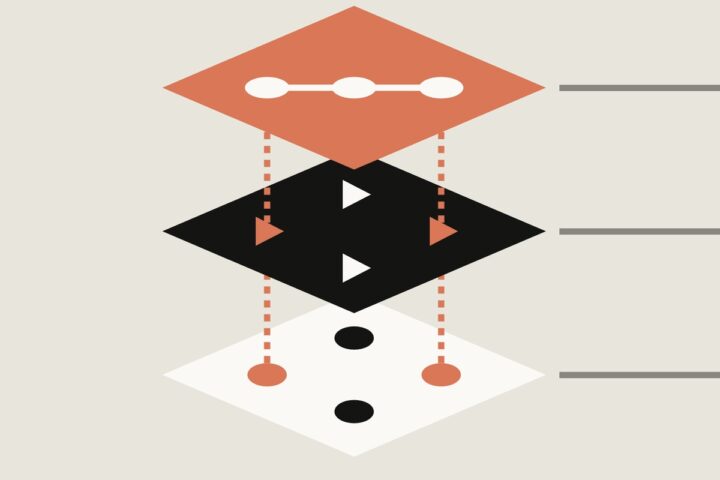
The project’s repository explains that Shirudo restricts the loading of BPF programs to signed loaders after boot-time initialization. Operators distribute signed micropatches, called upatches, and can verify a machine’s measured protection state using evidence signed through a Trusted Platform Module.
The platform supports runtime observation, live mitigations and system hardening. Its scope includes BPF protections at kernel hooks and Java protections for application code, rather than treating every vulnerability as the same kind of operating-system problem.
A Pre-Release Project With Deployment Requirements
Shirudo remains pre-release. Its requirements include a Linux kernel with the project’s patches and signed-loader interface, plus TPM 2.0. The repository offers a virtual-machine quickstart with a software TPM for evaluation. Production use therefore requires preparation beyond downloading an ordinary application.
OpenAI and Cisco are inviting developers and security researchers to inspect the code, test protections and contribute. The main project uses a BSD 2-Clause license, with BPF programs dual-licensed under BSD and GPL.
The intended workflow still ends with a permanent fix. Shirudo gives defenders another option while that work is underway, with the effectiveness and operational impact of each temporary protection something teams must validate.
Disclaimer: AIstify is an independent media brand owned and operated by NuvexMedia LLC, publishing news, research, and insights on artificial intelligence, emerging technologies, automation, and related industries. NuvexMedia LLC invests in and collaborates with companies across the AI, technology, software, and digital innovation sectors. These relationships do not influence AIstify’s editorial coverage, and the publication maintains full editorial independence to provide accurate, timely, and objective information. © 2026 NuvexMedia LLC. All rights reserved. This content is for informational purposes only and should not be considered legal, tax, investment, financial, or other professional advice.