OpenAI Explores Human-Only Social Network With Biometric Identity
OpenAI is developing an early-stage social network designed to limit bots by verifying real users, potentially using biometric identity tools such as Face ID or iris scanning.

Synthetic data is artificially generated information designed to resemble the structure or behavior of real data. It may be created with simulations, procedural rules, generative models, or combinations of these methods. Organizations use it to supplement rare examples, test systems, reduce collection costs, and limit exposure of sensitive records. Synthetic does not mean risk-free: generated data can reproduce bias, reveal patterns from source data, miss unusual cases, or create unrealistic relationships. Its value depends on the target task, not visual similarity alone. Teams compare distributions and downstream performance, document how generation occurred, separate synthetic evaluation from training, and apply privacy testing when the source contained personal or confidential information.
OpenAI is developing an early-stage social network designed to limit bots by verifying real users, potentially using biometric identity tools such as Face ID or iris scanning.
Apple is preparing a major overhaul of Siri that would turn the assistant into a chatbot-style interface integrated into iOS 27, reflecting growing competitive pressure in generative AI.
OpenAI now uses age prediction to adjust ChatGPT’s safety settings for teens. Users 18 and older can verify their age to disable extra restrictions.
OpenAI is on track to unveil its first consumer device in the second half of 2026, signaling a major expansion beyond software as the company explores a new category of AI-native hardware.
Google has launched a beta feature that allows Gemini to connect directly with user apps like Gmail and Photos for more personalized responses. The update aims to make Gemini more proactive while keeping privacy controls in user hands.
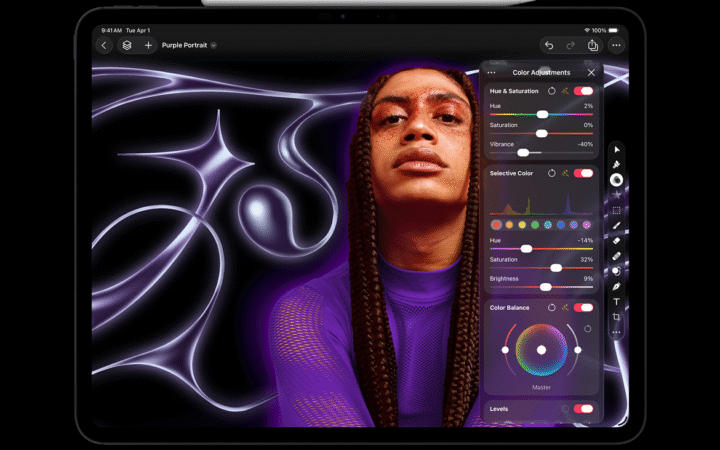
Apple introduced Apple Creator Studio, a subscription bundle combining professional creative apps with new AI-driven features across video, music, imaging, and productivity tools. The offering expands Apple’s push into intelligent software workflows for creators.
Anthropic’s Claude now offers healthcare and life sciences AI tools, including HIPAA-compliant connectors and support for clinical trials, regulatory, and research tasks.
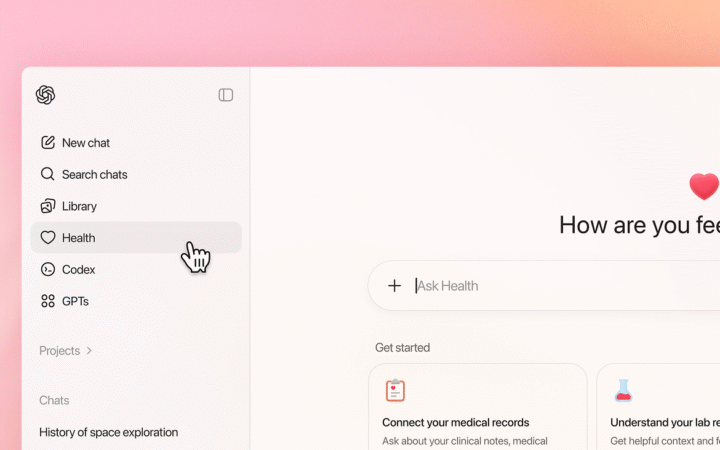
OpenAI introduced ChatGPT Health, a dedicated experience that securely integrates personal health data with AI, helping users navigate wellness, lab results, and appointments with added privacy protections.
Lenovo introduced Qira, a system-level AI spanning PCs, tablets, smartphones, and wearables. The assistant offers context-aware, cross-device intelligence for writing, collaboration, and workflow management.
OpenAI is rolling out “Your Year with ChatGPT,” an annual review feature that summarizes how users interacted with the chatbot over the past year. The tool is available to eligible users across several English-speaking markets, including the United States.