Anthropic Will Pay $1.5 Billion to Authors Whose Books Trained Claude
A federal judge gave final approval to Anthropic’s $1.5 billion settlement with authors over pirated books used to train Claude, the largest copyright recovery on record.
AI Ethics is the study and application of moral principles guiding how artificial intelligence is designed, developed, and deployed. It focuses on fairness, accountability, transparency, privacy, and the societal impact of AI systems to ensure technology benefits people responsibly.
A federal judge gave final approval to Anthropic’s $1.5 billion settlement with authors over pirated books used to train Claude, the largest copyright recovery on record.

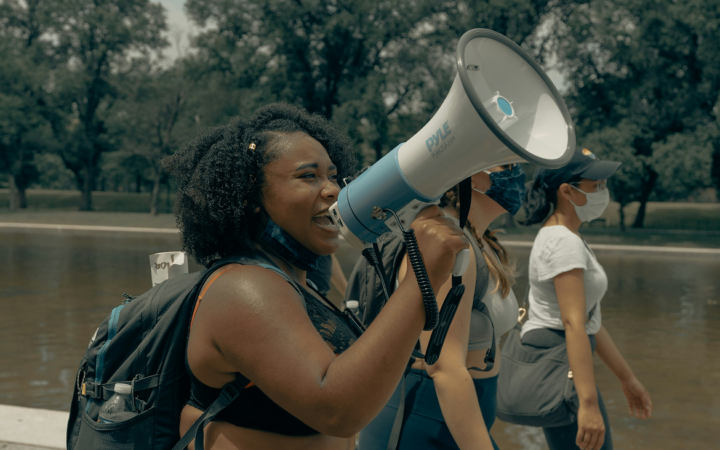
Opponents of the AI data center boom held 142 protests across 42 states, the first nationwide backlash against a buildout that crosses political lines and worries local communities.
Ethereum’s Vitalik Buterin argued the gravest AI risk is not rogue superintelligence but a few companies or governments seizing control of it, in a widely shared thread on AI’s future.
Economists warn AI’s biggest near-term danger may be fiscal: if it displaces high-earning workers, income-tax revenue could fall sharply while welfare costs rise, straining public budgets.
Twenty-six Meta workers sued the company, alleging its AI systems used metrics like token consumption to select layoff targets, disadvantaging people on medical or family leave.
Google DeepMind CEO Demis Hassabis proposed a US-led standards body to test the most powerful AI models before release and coordinate an industry slowdown if risks mount.
Tencent is in talks to become Manus’s largest shareholder as investors race to reverse Meta’s $2 billion purchase of the AI agent startup, after Beijing ordered the deal undone.
Apple sued OpenAI for trade secret theft, alleging former employees now at OpenAI stole confidential hardware information to build its first AI device. OpenAI denies it.
OpenAI will release its GPT-5.6 models, Sol, Terra and Luna, to the public on July 9 after clearing US government review far faster than the 30-day window the rules envisioned.
OpenAI has proposed handing the US government a roughly 5% stake, worth about $43 billion, to seed a public wealth fund and ease mounting political pressure in Washington.