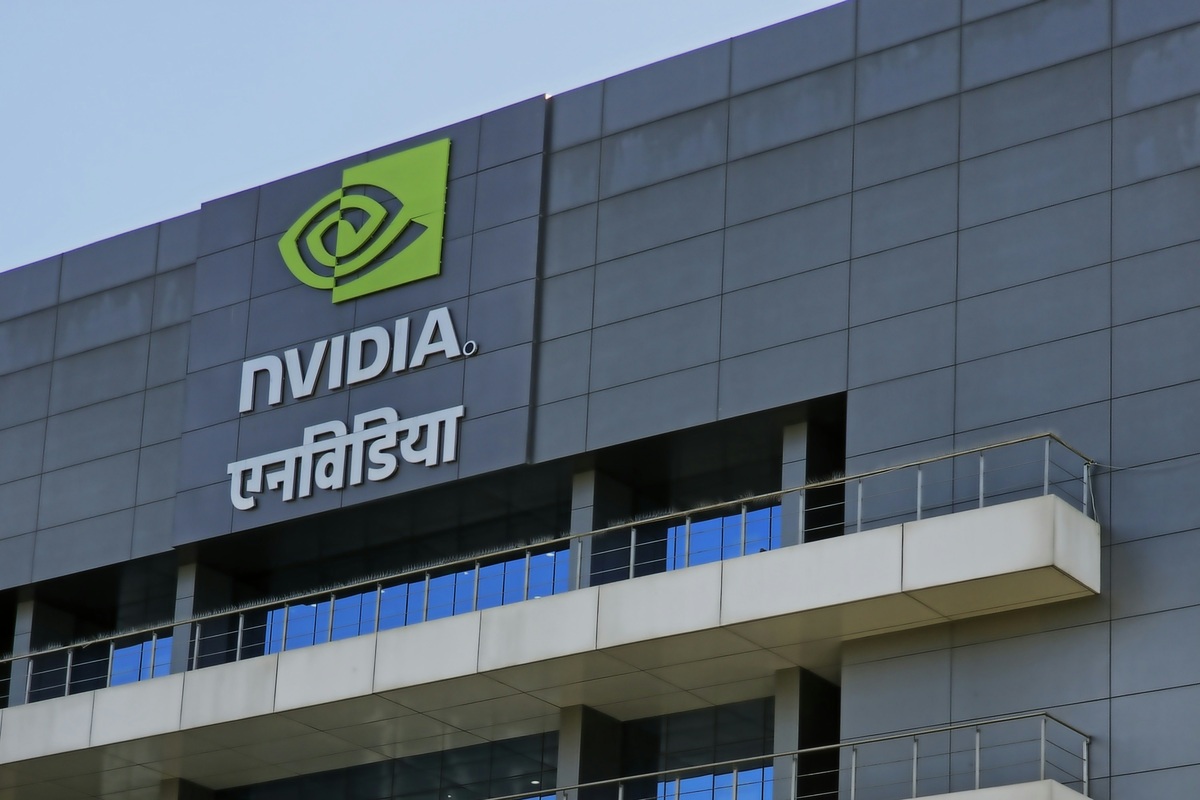
NVIDIA’s AI Financing Bet Faces a Test as Neoclouds Slide
Falling neocloud shares and rising borrowing costs are testing NVIDIA’s push to finance AI infrastructure, from cloud commitments to default guarantees.

Nebius is a notable ai cloud and infrastructure platform company mentioned in 2026 AI technology coverage across AI infrastructure, cloud compute, model deployment, and developer infrastructure.
Nebius is an AI-related technology company in AI infrastructure, cloud compute, model deployment, and developer infrastructure. It belongs in an AIstify company directory because it has been part of the 2026 AI technology conversation through product launches, funding coverage, enterprise adoption, infrastructure expansion, model releases, developer momentum, or broader market attention. The company is included as a fresh technology profile rather than as a repeat of already-imported AIstify company records. Founded in 1989, Nebius is headquartered in Amsterdam, Netherlands. Its leadership field is listed as Arkady Volozh, and its business profile is best described as a Public AI infrastructure, cloud platform, and data center technology company. The organization is associated with Yandex heritage and Nebius restructuring. Its major brands, platforms, or programs include Nebius, Nebius AI Cloud, Toloka, TripleTen.
Within AIstify’s company directory, Nebius fits into the AI Cloud and Infrastructure Platform category. Employee count is listed as N/A, funding status is Public company, valuation is described as Public market capitalization varies, ownership is Public, and stock ticker information is NBIS. The company’s products and services include AI cloud infrastructure, GPU compute, data centers, managed services, data labeling ecosystem, AI developer infrastructure. This product surface matters because 2026 AI coverage is not only about the largest foundation model labs. The market is also being shaped by specialized infrastructure providers, chip companies, model serving platforms, AI coding tools, enterprise agent platforms, creative media systems, knowledge work applications, search tools, and data frameworks. These companies are where AI becomes usable inside real development, operations, media, support, research, and business workflows. Nebius’s relevance can be understood through several practical layers.
The first layer is capability: the product needs to deliver useful automation, generation, reasoning, search, retrieval, inference, compute, or creative output. The second layer is deployment: customers need security, scale, reliability, integrations, observability, and cost control. The third layer is ecosystem: developer tools, APIs, model partnerships, enterprise connectors, marketplaces, and community usage can accelerate adoption. The fourth layer is differentiation: a company must show why its models, data access, workflow depth, infrastructure performance, or user experience is hard to replace. AI is becoming a practical software market, and companies like Nebius help show where adoption is happening. Infrastructure vendors are competing on GPU access, inference performance, reliability, and orchestration. Enterprise AI companies are competing on agents, knowledge retrieval, support automation, governance, and return on investment.
Creative AI companies are competing on video quality, image control, editing workflows, rights management, and production speed. Developer AI companies are competing on code quality, context windows, deployment, testing, security, and integration with existing engineering processes. The competitive context around Nebius is changing quickly. News coverage in 2026 has repeatedly emphasized AI funding rounds, model launches, compute shortages, agentic workflows, AI coding growth, enterprise security, synthetic media, and the shift from prototypes to production deployments. This means that market relevance depends on more than a demo. Buyers and investors are watching usage, retention, performance, model quality, gross margins, infrastructure costs, enterprise readiness, developer adoption, and the ability to turn attention into durable revenue.
From an operator, investor, or technology buyer perspective, Nebius is worth tracking because it represents one of the important AI-related technology themes visible in the current news cycle. Its public website, funding events, customer stories, model releases, benchmark claims, developer ecosystem, pricing model, enterprise features, and product roadmap can show whether it is moving from hype into repeatable value. AIstify tracks Nebius with tags including nebius, ai cloud, gpu infrastructure, data centers, developer platform, software technology, nebius profile, nebius company profile. The company’s public website is https://nebius. com/.
Additional comparison signals include news funding launches agents models compute inference chips cloud developers enterprise creative data security automation adoption governance pricing partnerships benchmarks workflows media coding infrastructure applications platform users customers revenue scale reliability news funding launches agents models compute inference chips cloud developers enterprise creative data security automation adoption governance pricing partnerships benchmarks workflows media coding infrastructure applications platform users customers revenue scale reliability news funding launches agents models compute inference chips cloud developers enterprise creative data security automation adoption governance pricing partnerships benchmarks workflows media coding infrastructure applications platform users customers revenue scale reliability news funding launches agents models compute inference chips cloud developers enterprise creative data security automation adoption governance pricing partnerships benchmarks workflows media coding infrastructure applications platform users customers revenue.
For AIstify, this makes Nebius a useful reference point for tracking AI-related technology companies that appeared in 2026 news through funding, products, infrastructure deals, model launches, enterprise adoption, or developer momentum.
APIs, SDKs, model endpoints, developer tools, cloud consoles, agent builders, orchestration tools, data connectors, model deployment workflows, or platform integrations where available.
Usage-based AI services, subscriptions, enterprise contracts, cloud consumption, API pricing, hardware or infrastructure contracts, support plans, marketplace revenue, and professional services where applicable.
Falling neocloud shares and rising borrowing costs are testing NVIDIA’s push to finance AI infrastructure, from cloud commitments to default guarantees.
Palantir Technologies has named Nebius Group its preferred sovereign AI infrastructure partner, with plans to integrate Nebius compute and inference endpoints directly into the Palantir enterprise perimeter.
Anthropic is in advanced talks to acquire Israeli AI infrastructure startup Decart at a valuation of approximately $6 billion. The deal would be Anthropic's largest acquisition to date and would add inference optimization and real-time video generation capabilities ahead of a planned public offering.
OpenAI and Microsoft have revised their partnership to cap revenue sharing and allow broader cloud distribution. The changes reflect growing competition and OpenAI’s push for flexibility.

Nebius will build a 310MW AI data center in Finland, expanding Europe’s growing push to develop large-scale compute infrastructure.
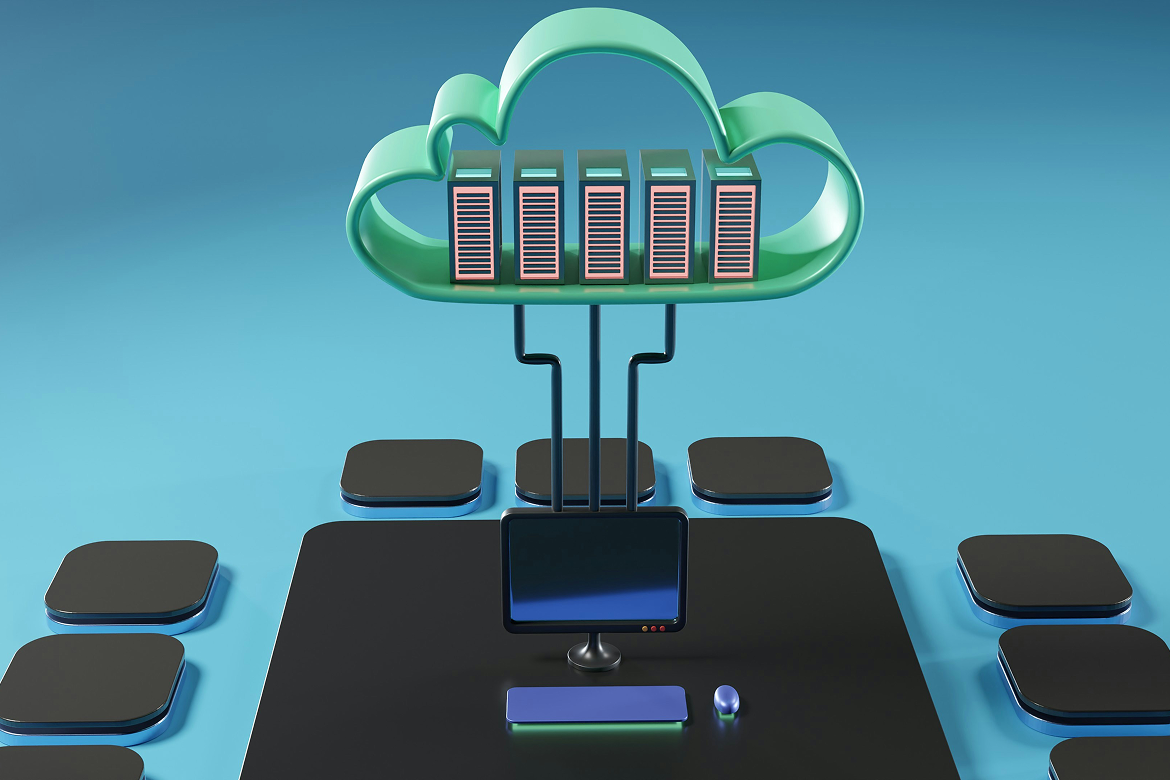
Nebius has signed a long-term AI infrastructure agreement with Meta worth up to $27 billion, providing large-scale compute capacity powered by Nvidia’s Vera Rubin platform.
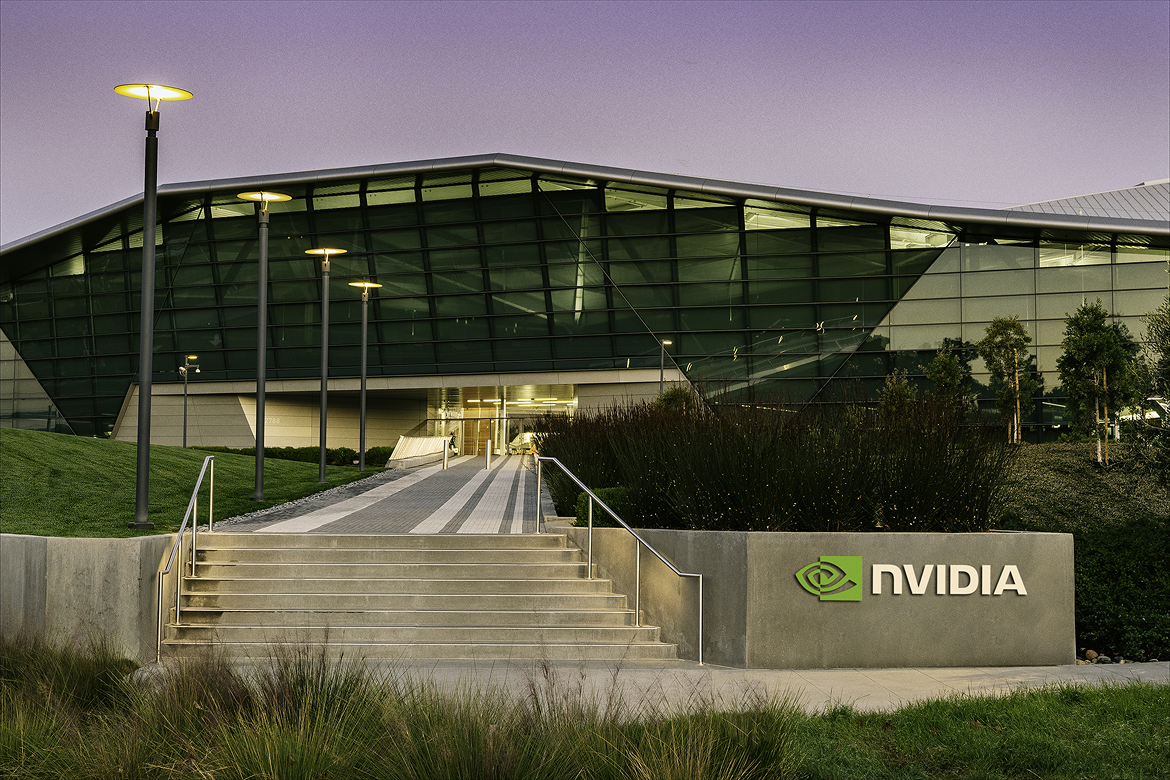
Nvidia and Nebius have formed a strategic partnership to build hyperscale AI cloud infrastructure, with Nvidia investing $2 billion to support gigawatt-scale AI computing capacity.

Nebius has agreed to acquire agentic search provider Tavily, integrating real-time web search into its AI cloud platform as enterprise adoption of autonomous AI agents accelerates.
Nebius Group (NASDAQ: NBIS) has launched Nebius AI Cloud 3.0 Aether, a platform designed to deliver enterprise-grade security and control for mission-critical AI workloads

Microsoft has committed $33 billion to neocloud partnerships, including a $19.4B deal with Nebius, to secure GPU capacity and avoid looming AI infrastructure bottlenecks.