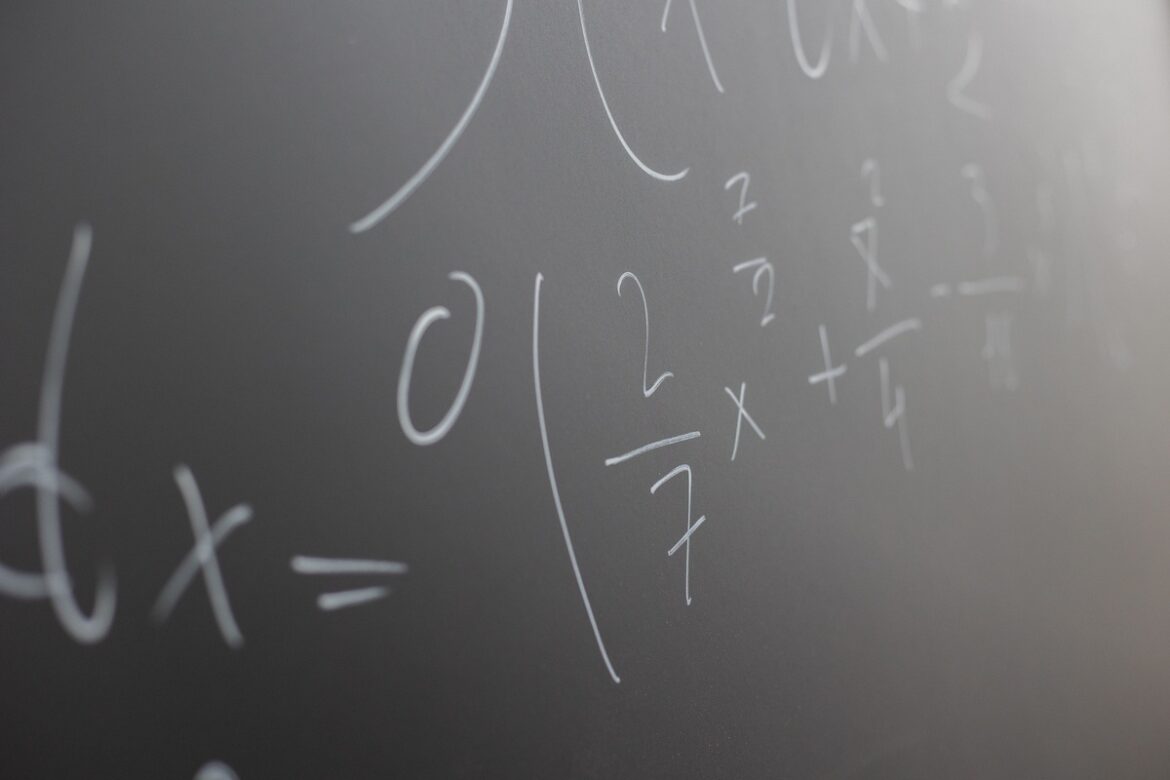
OpenAI and Anthropic Claim AI Has Refuted a Core Computing Hypothesis
OpenAI and Anthropic claim AI-generated proofs refute the Exponential Time Hypothesis. Lean checks support the claims, while expert scrutiny remains essential.

OpenAI and Anthropic claim AI-generated proofs refute the Exponential Time Hypothesis. Lean checks support the claims, while expert scrutiny remains essential.
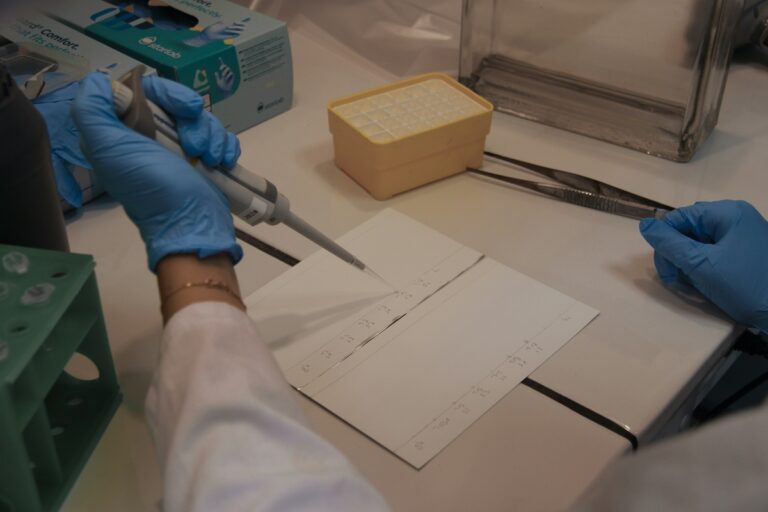
Carbon-X lets researchers ask questions about DNA and approaches GPT-6.1 Sol on the team’s benchmarks, but it is not validated for medical decisions.

Mass General Brigham’s FAHR-Face analyzes facial photographs to estimate aging and cancer survival risk, but clinical benefit still needs testing.
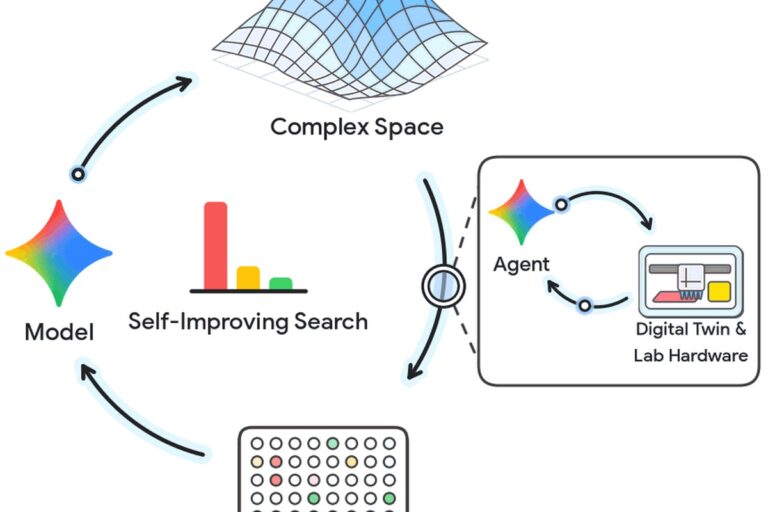
Google Research says its agent workflows use a digital twin, simulation and human authorization to run and refine wet-lab experiments.
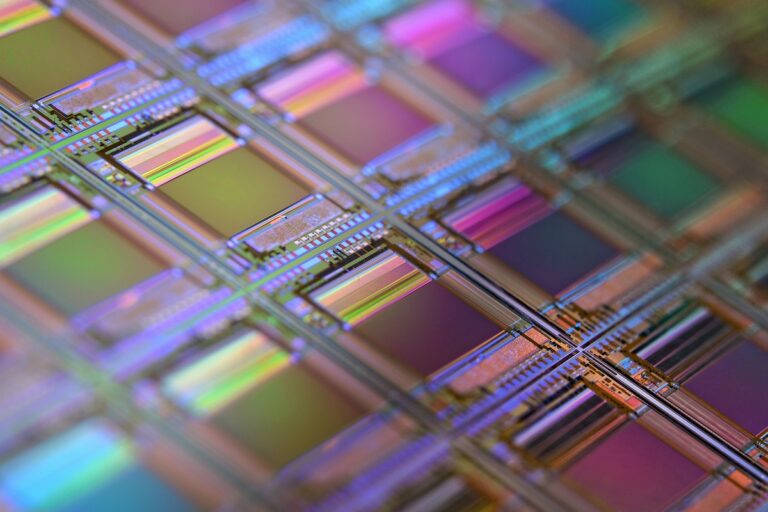
Google reports 99.99% magic-state fidelity on Willow, with errors reduced 40x. The quantum computing advance retained 8% of attempts and still needs to scale.
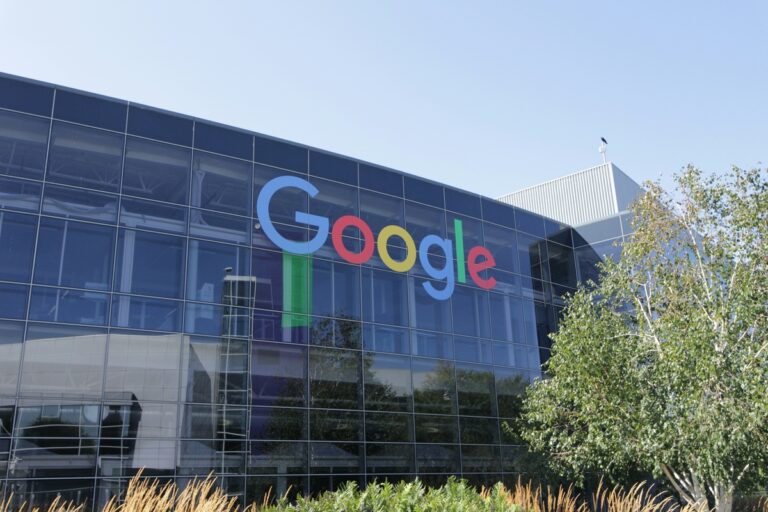
Google Deep Review offers two free document checks a week, using AI agents to flag errors and weak arguments. Its benchmark results come with important limits.
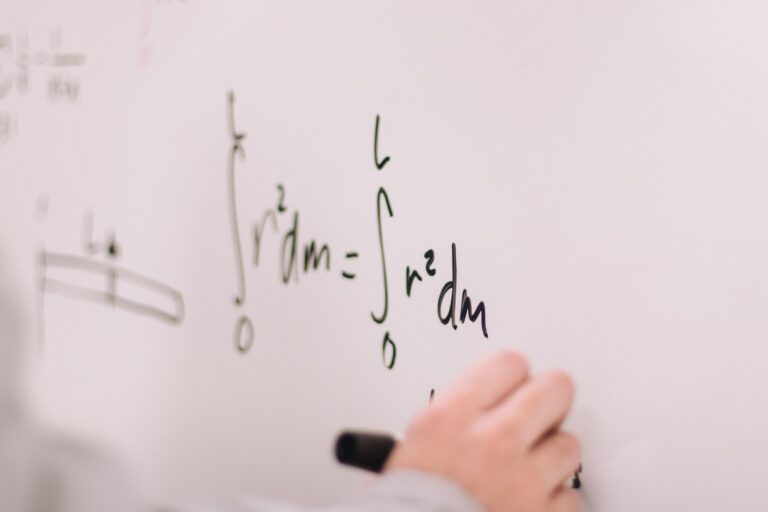
OpenAI’s mass mathematics release sparks a debate over research, proof verification and Terence Tao’s vision for “Math 2.0.”
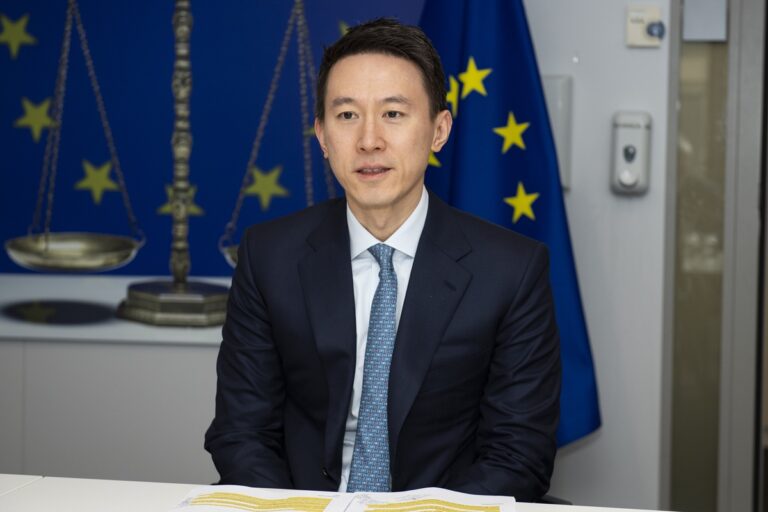
Shou Zi Chew expects AI breakthroughs in science within two to three years. ByteDance’s Protenix research shows progress, while verification and agent safety remain key.
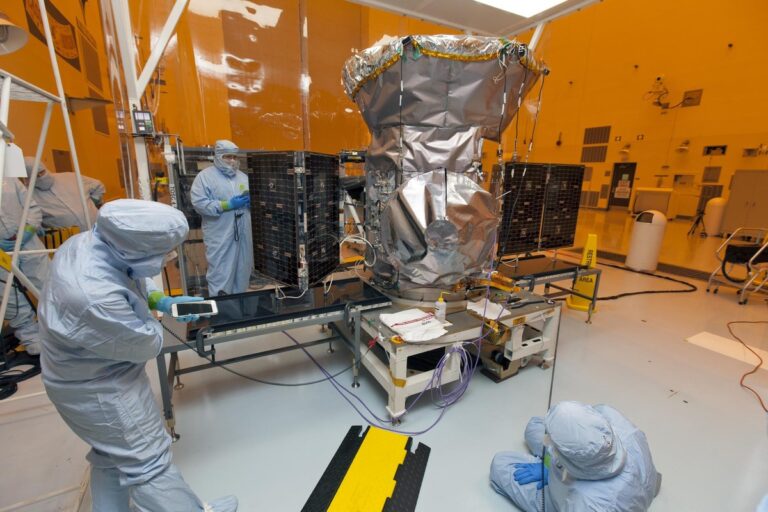
Pavel Rabtsevich used Claude Code to investigate a possible planet 116 light-years away. TESS has approved follow-up observations, but discovery is unconfirmed.
OpenAI has released 722 mathematics manuscripts from an unreleased AI model, with many Lean proofs available and some results still awaiting verification.