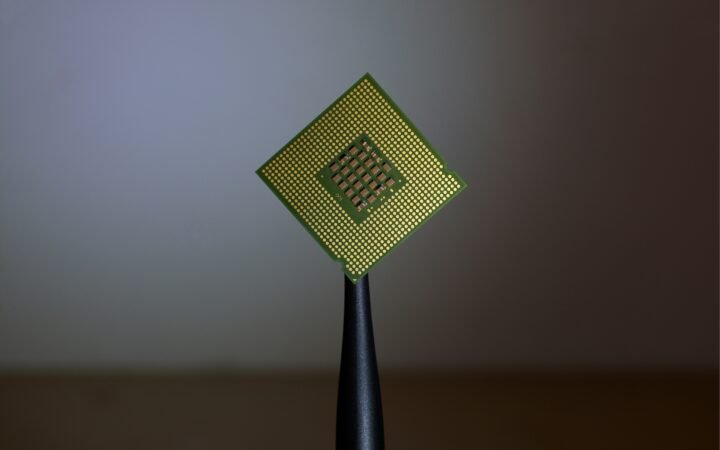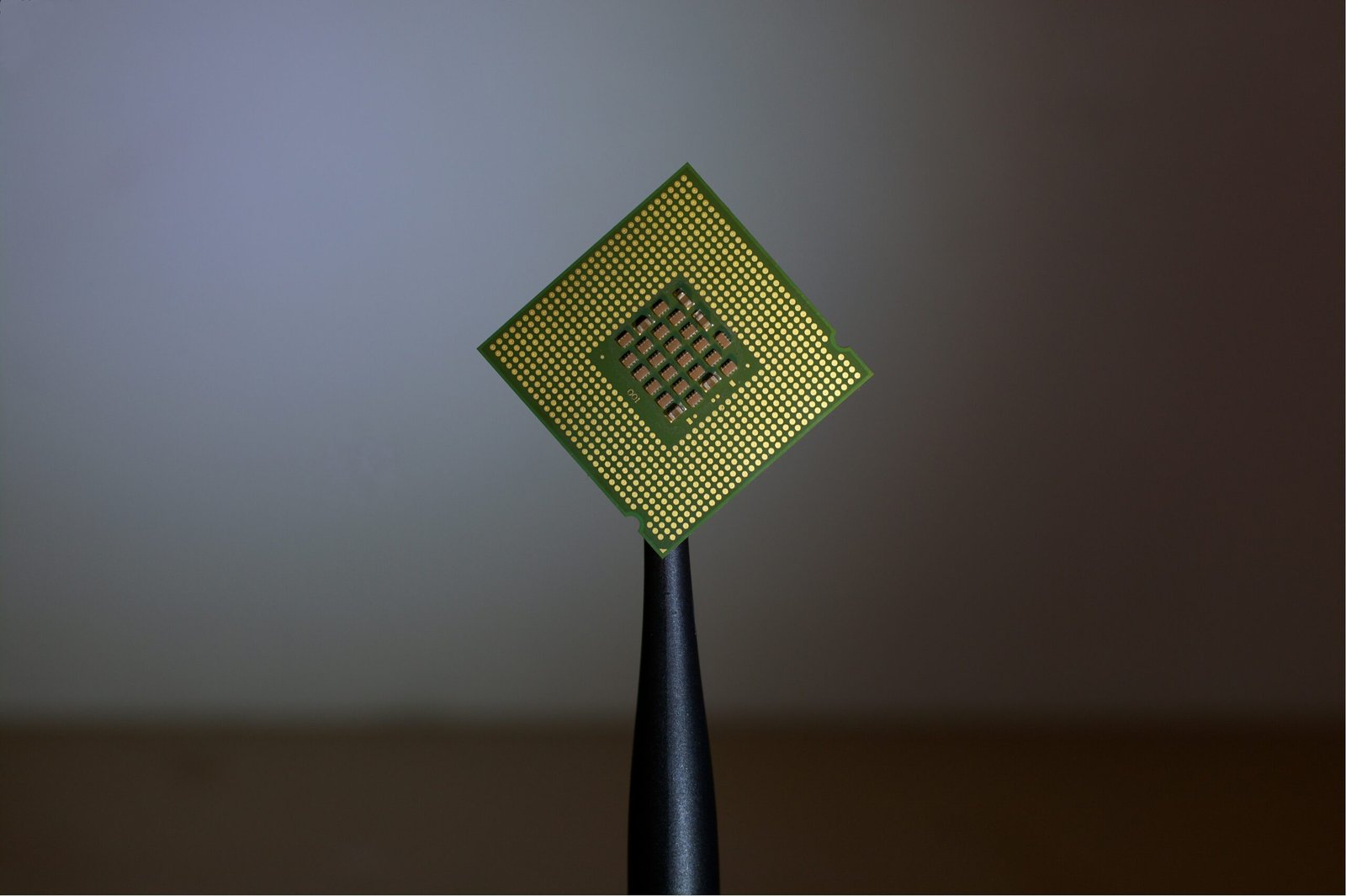

Meta Platforms is in advanced discussions to spend billions of dollars on Google’s tensor processing units for use in its data centers beginning in 2027. The talks, reported by The Information, would place Alphabet in more direct competition with Nvidia, which currently dominates the market for AI processors.
The conversations also include the option for Meta to begin renting Google Cloud chips as early as next year. The initiative reflects Google’s broader effort to encourage outside companies to adopt its TPUs rather than rely solely on Nvidia’s graphics processors, which have become increasingly expensive and difficult to source. At present, Google deploys TPUs only in its own facilities, but a partnership with Meta would mark a strategic shift and open the door for wider commercial use.
Google Eyes Larger Share of AI Compute Market
Expanding TPU access to customers’ data centers could significantly enlarge Google’s share of the fast-growing AI chip market. Some Google Cloud executives believe the strategy could help capture as much as 10 percent of Nvidia’s annual revenue, according to the report. That would represent a multibillion-dollar opportunity as enterprises increase spending on custom silicon to support AI workloads.
Alphabet shares rose more than four percent in premarket trading on Tuesday, putting the company on track to reach a four trillion dollar valuation if gains continue. Broadcom, which partners with Google on AI chip development, gained two percent. Nvidia shares declined more than three percent.
Securing Meta as a customer would be a high-profile win for Google, particularly because Meta is one of Nvidia’s largest buyers and plans to spend up to seventy-two billion dollars on AI infrastructure this year. Alphabet, Meta and Nvidia did not immediately comment, and the report has not been independently verified.
Demand for customized AI chips such as TPUs has accelerated as companies seek alternatives to Nvidia’s tightly constrained supply and premium pricing. Anthropic expanded its agreement with Google last month, securing access to as many as one million TPUs valued in the tens of billions. Google’s cloud business has also drawn new investment, including from Berkshire Hathaway, and has gained traction with its Gemini 3 model as enterprises expand their AI deployments.
Despite recent momentum, competing with Nvidia will require Google to overcome the entrenched ecosystem around CUDA, Nvidia’s proprietary software platform. More than four million developers rely on CUDA to build AI and high-performance applications, creating a significant barrier for any challenger.