SpaceX is a space, satellite connectivity, and AI company that acquired xAI effective February 2, 2026, bringing Grok, X, and AI infrastructure under SpaceX.
Private company with 2026 IPO prospectus; xAI acquired effective February 2, 2026
Valuation
Reported IPO valuation range varies; recent reporting has discussed approximately $1.75T to $2T
Employees
N/A
About SpaceX
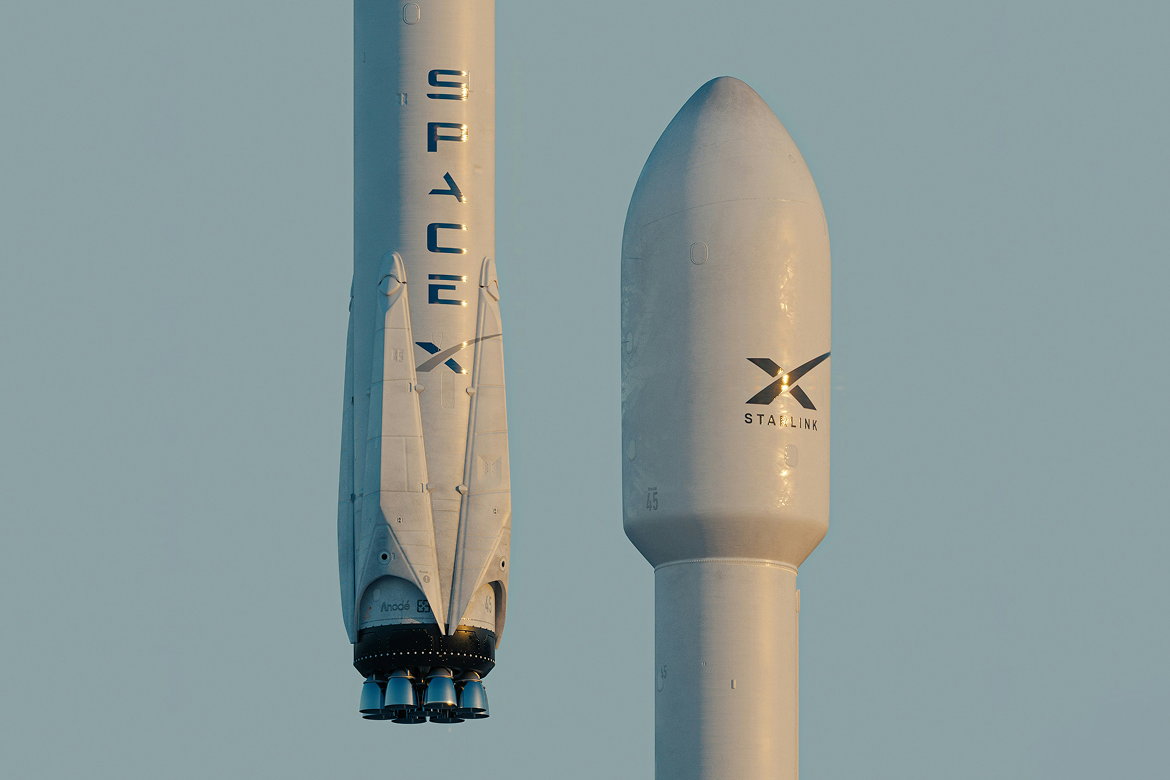
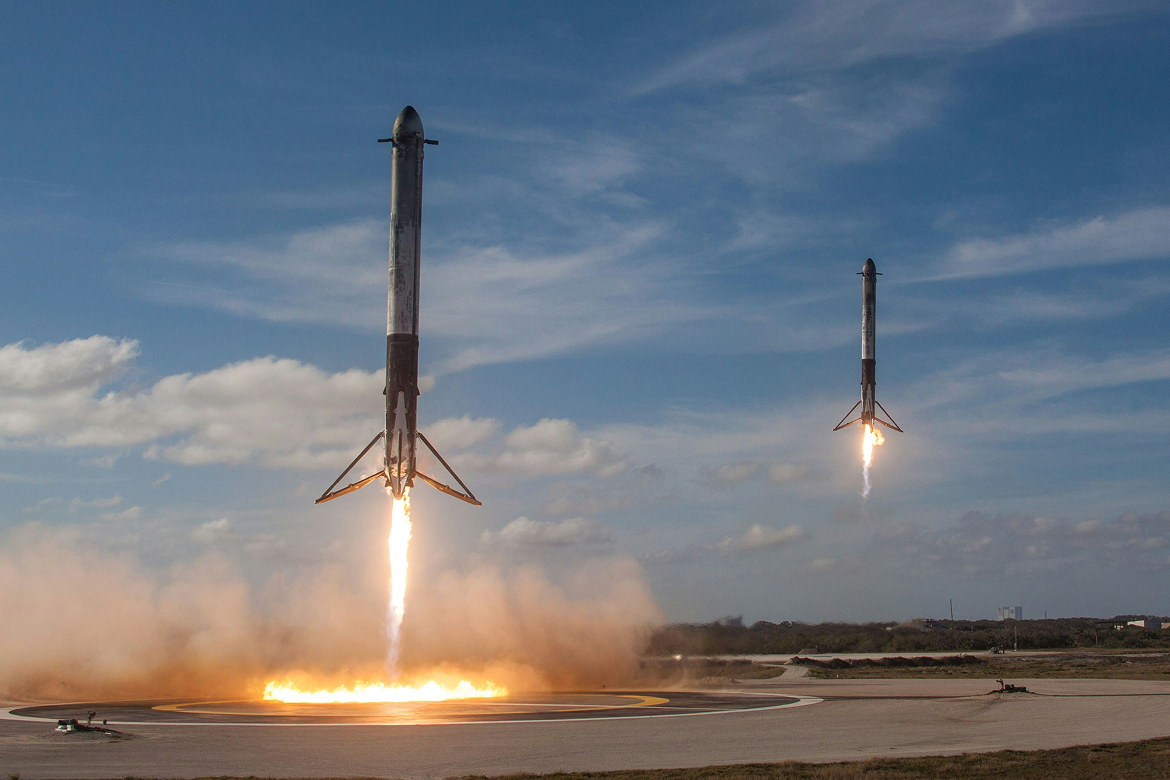
SpaceX is a space, satellite connectivity, launch, and artificial intelligence company founded by Elon Musk in 2002. The company is best known for reusable rockets, Falcon 9, Falcon Heavy, Dragon spacecraft, the Starlink satellite internet constellation, and the Starship launch system. In 2026, SpaceX also became a direct AI platform company after completing the xAI merger. The latest prospectus data says SpaceX acquired XAI Holdings Corp, known as xAI, effective February 2, 2026, and that xAI became a wholly owned subsidiary of SpaceX. That means SpaceX now includes the AI assets associated with xAI, Grok, X, and AI computational infrastructure as part of its consolidated business. SpaceX is headquartered at 1 Rocket Road in Starbase, Texas, United States.
Elon Musk is listed as founder, Chief Executive Officer, Chief Technical Officer, Chairman of the board, and principal shareholder in the company’s 2026 prospectus. Gwynne Shotwell is listed as President, Chief Operating Officer, and director, and Bret Johnsen is listed as Chief Financial Officer. SpaceX’s business type is no longer only launch and connectivity. It is now a vertically integrated space, connectivity, and AI company with operations across launch services, satellite broadband, direct-to-device satellite communications, frontier AI models, consumer and enterprise AI products, and AI infrastructure. The company’s major products and brands include Falcon 9, Falcon Heavy, Dragon, Starship, Starlink, Starlink Mobile, SpaceXAI, xAI, Grok, X, Colossus, launch services, satellite connectivity, and planned orbital AI data centers. SpaceX remains a key launch provider for commercial customers, NASA, national security programs, rideshare missions, and internal Starlink deployments.
Starlink gives the company a recurring consumer and enterprise connectivity business. Starship is intended to support higher launch cadence, larger payloads, lunar and Mars missions, and potentially new infrastructure models that tie space transport to connectivity and compute. The xAI structure is important for AIstify because it changes how SpaceX should be classified. Before 2026, SpaceX was primarily a space and satellite infrastructure company while xAI was a separate AI company founded in 2023. After the February 2, 2026 merger, the AI segment became part of SpaceX’s consolidated structure. The prospectus describes the AI segment as a vertically integrated AI platform spanning the Grok frontier LLM, AI solutions for consumer and enterprise customers, X as a real-time information and entertainment platform, and AI computational infrastructure.
It also says SpaceX expects to expand terrestrial data centers and launch orbital data centers over a multi-year investment horizon. That combination creates a distinctive AI strategy. SpaceX can connect physical infrastructure, orbital systems, satellite networks, global distribution, real-time information, model training, inference, and consumer software. Grok and xAI products give SpaceX exposure to language models, APIs, subscriptions, enterprise AI, and government AI offerings. X gives the AI segment a large social and information platform that can support distribution, data, advertising, and subscriptions. Colossus and other compute infrastructure give the company a path to scale AI training and inference. Starlink and Starship create a longer-term thesis around moving compute, connectivity, and data infrastructure beyond Earth. The company’s revenue model is now broader than traditional launch contracts.
SpaceX earns from launch services, government space programs, commercial payloads, Starlink subscriptions, enterprise connectivity, direct-to-device satellite services, advertising on X, Grok subscriptions, AI API access, data licensing, and AI infrastructure services. The prospectus notes that AI segment revenue includes advertising products on X and AI solutions and infrastructure, including subscription offerings, data licensing arrangements, and API access to Grok models. It also notes significant AI costs tied to cloud compute, data center infrastructure, GPU hardware depreciation, employee compensation, research and development, and scaling of the AI business. For directory purposes, SpaceX should be tagged across both space and AI categories. Suggested lower-case tags are spacex, spacexai, xai, grok, starlink, starship, space ai, and orbital compute. The company belongs in industries such as Space Technology, Artificial Intelligence, Satellite Connectivity, AI Infrastructure, Aerospace, Frontier AI, and Space-Based Computing.
Its public-facing website is the SpaceX site, with Starlink support hosted through the Starlink support portal. Stock ticker information should be treated carefully because the company is still best described as private or pre-IPO in the available latest data, even though recent reporting discusses SPCX as a planned IPO ticker. Additional comparison signals include launch economics satellite connectivity AI subscriptions model infrastructure data licensing enterprise services orbital compute consumer platforms government contracts frontier research vertical. For AIstify, SpaceX now belongs in both space technology and AI company coverage because its current structure connects rockets, satellites, real-time information, frontier models, data centers, and future orbital compute under one corporate roof.
Launch contracts, government and commercial space services, Starlink subscriptions, enterprise connectivity, advertising on X, Grok subscriptions, API access, data licensing, and AI infrastructure services.
Key Information
Business Type
Space, connectivity, and artificial intelligence company
Goldman Sachs is projecting SpaceX's AI revenues will grow roughly 100 times by 2030 - from $3.2 billion to $322 billion annually - figures the bank is using to anchor a $1.78 trillion IPO valuation for the company it is simultaneously leading to market.
Morningstar has valued SpaceX at $780 billion, far below the company’s reported $1.75 trillion IPO target. The research firm cited uncertainty around SpaceX’s AI business, Starlink’s long-term prospects, and unproven technologies.
A U.S. jury ruled in favor of OpenAI in Elon Musk’s lawsuit accusing the company of abandoning its nonprofit mission. The verdict removes a major obstacle to OpenAI’s potential IPO plans while intensifying the rivalry between Musk and Sam Altman.
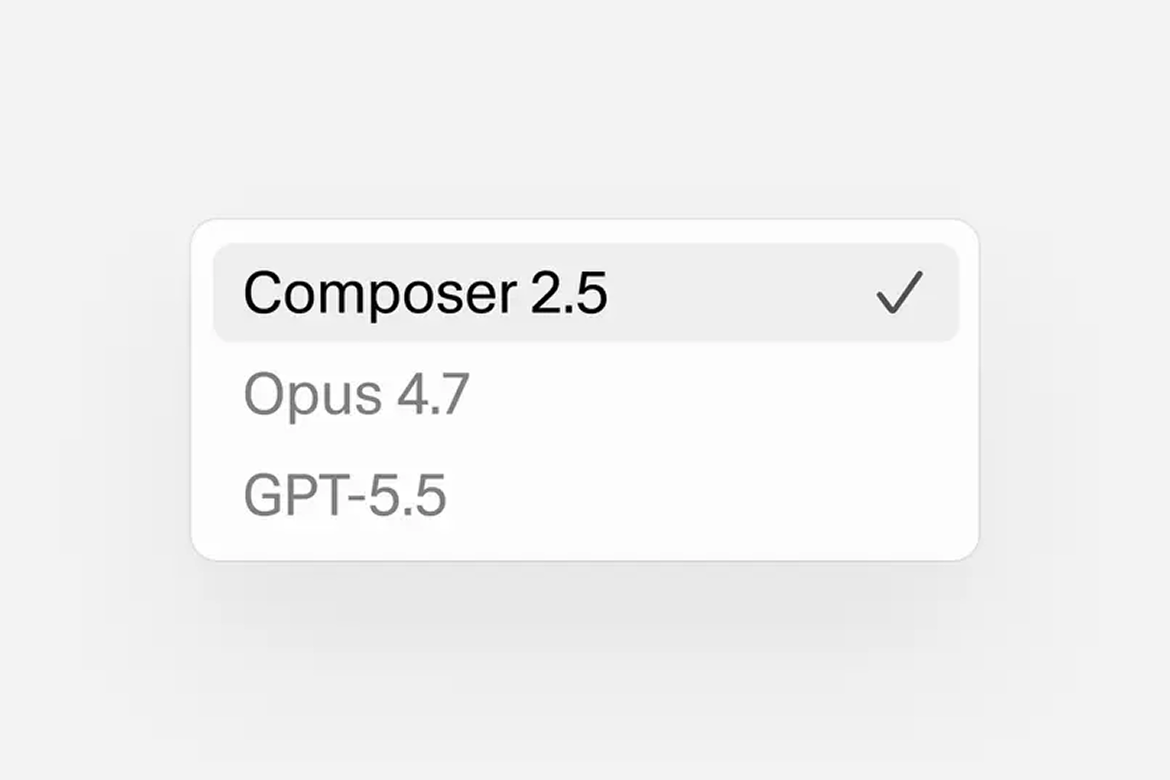
Cursor has released Composer 2.5, an upgraded AI coding model built on Moonshot’s Kimi K2.5 checkpoint. The company says the model improves long-running coding workflows, instruction following, and reinforcement learning techniques for software engineering tasks.
xAI has launched Grok Build, a coding agent and command-line tool aimed at professional software development workflows. The early beta release targets competitors such as Anthropic’s Claude Code as xAI pushes deeper into the AI coding market.
Google is reportedly in talks with SpaceX and other launch providers as it explores deploying orbital data centers under its Project Suncatcher initiative. The discussions reflect growing interest in space-based AI infrastructure and computing capacity.