Google DeepMind Unveils AlphaGenome DNA Prediction Model
Google DeepMind has introduced AlphaGenome, a new AI model designed to analyze long DNA sequences and predict how genetic variations may influence disease development.

Large language models have become the default interface for modern software. In AIstify’s Large Language Models (LLMs) section, we track the releases, research advances, and real-world deployments shaping how LLMs are trained, adapted, and used. We cover the full stack – from data and compute to fine-tuning, retrieval, evaluation, and runtime efficiency – with close attention to accuracy, hallucinations, privacy, and governance. Whether you are building applications or choosing platforms, this hub turns fast progress into decisions you can defend.
Google DeepMind has introduced AlphaGenome, a new AI model designed to analyze long DNA sequences and predict how genetic variations may influence disease development.
Mistral AI released the general availability of Mistral Vibe 2.0, upgrading its terminal-based coding agent as it shifts developer tools from testing to paid enterprise products.
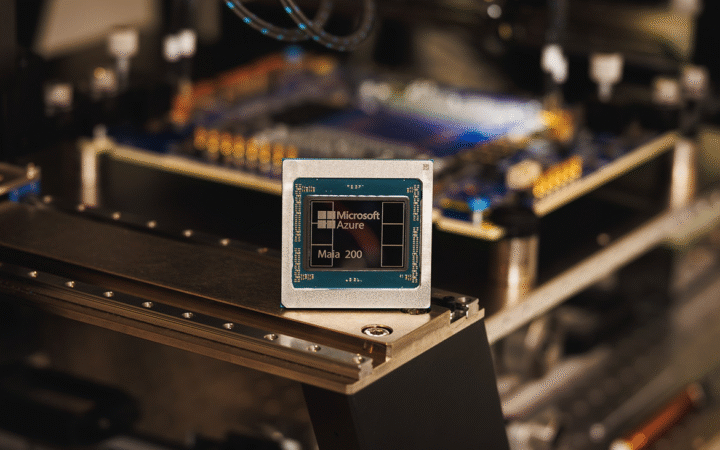
Microsoft has introduced Maia 200, a new AI chip built with TSMC and designed to power GPT-5.2 and Microsoft 365 Copilot, promising faster, more efficient AI performance.
OpenAI’s latest ChatGPT model has cited Elon Musk-backed Grokipedia across multiple topics, prompting concerns among researchers about how low-credibility sources can influence AI-generated answers.
Apple is preparing a major overhaul of Siri that would turn the assistant into a chatbot-style interface integrated into iOS 27, reflecting growing competitive pressure in generative AI.
A federal judge ruled that Elon Musk’s lawsuit accusing OpenAI of abandoning its charitable mission can proceed to trial, rejecting dismissal efforts by OpenAI and Microsoft.
Anthropic has partnered with Allianz to deploy its Claude AI models and custom agents across the insurer, emphasizing responsible, transparent AI for multi-step workflows and regulatory compliance.
xAI closed a $20 billion Series E round, exceeding its original target and adding strategic backing from NVIDIA and Cisco. The funding supports expanded data center capacity, large-scale GPU deployment, and continued development of the Grok model family.
OpenAI is paying employees an average of $1.5 million in stock-based compensation, far exceeding peer startups as it races to retain top AI talent. The strategy is inflating losses and reshaping expectations ahead of a potential IPO.
OpenAI is hiring a Head of Preparedness to study emerging risks tied to rapidly advancing AI models, including mental health impacts and cybersecurity threats. The move reflects rising concern over how frontier capabilities could be misused as models grow more powerful.