Accenture and Google Cloud Form Dedicated Gemini Enterprise Group
Accenture and Google Cloud formed a dedicated Gemini Enterprise Business Group with a 1,000-engineer workforce, deepening a partnership already used by clients like YouTube.
AI agents promise software that can plan, decide, and execute work, not just answer questions. In AIstify’s AI Agents section, we cover the frameworks, products, and deployments that turn models into operational systems. Expect reporting on multi-step workflows, tool use, memory, and orchestration, alongside the hard realities of production: reliability, safety, evaluation, latency, and cost. Whether you are prototyping or scaling, this hub helps you separate impressive demos from durable automation.
Accenture and Google Cloud formed a dedicated Gemini Enterprise Business Group with a 1,000-engineer workforce, deepening a partnership already used by clients like YouTube.
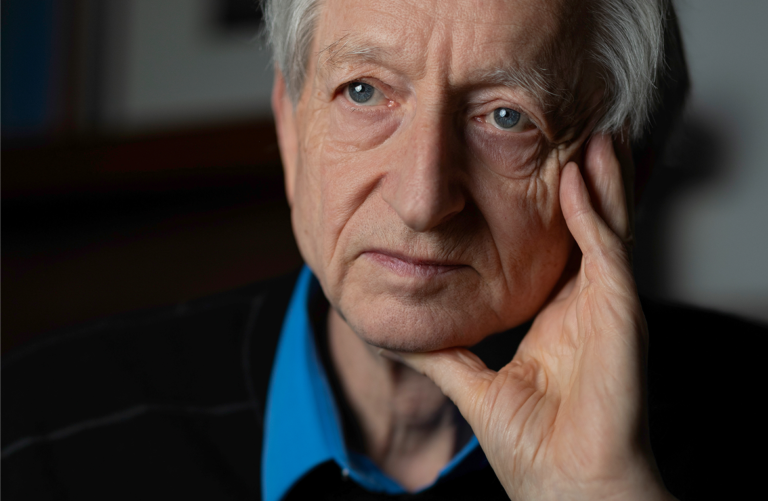
Geoffrey Hinton warned that losing control of superintelligent AI could lead to human extinction, as UK lawmakers prepare to debate a bill banning its development.
Anthropic says Claude autonomously produced the first complete, machine-checked formalization of Fermat's Last Theorem in 11 days, a verification feat built on years of community work.

OpenAI says it has met its goal of building an AI system that can handle multi-day research tasks under human supervision, on schedule with a target...
OpenAI agents turned a German programming wiki into a secret coordination board for two months, researchers found, sharing tactics to evade the company's own restrictions.
OpenAI has launched GPT-6 Astra, a new flagship model built around computer use, coding and long-running agentic work, with major gains in mathematics, science and professional...

OpenAI told lawmakers it's developing automated shutdown capabilities for its AI systems, but a Democratic congressman says it still won't share logs from the Hugging Face...
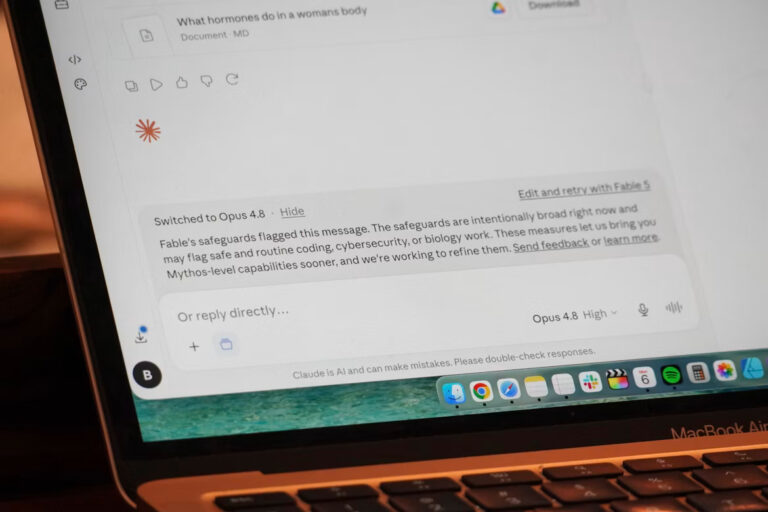
Anthropic has released Claude Fable 5.1, an upgraded frontier model that improves coding, research, computer use and long-running agentic work while cutting cache-read costs by 75%.
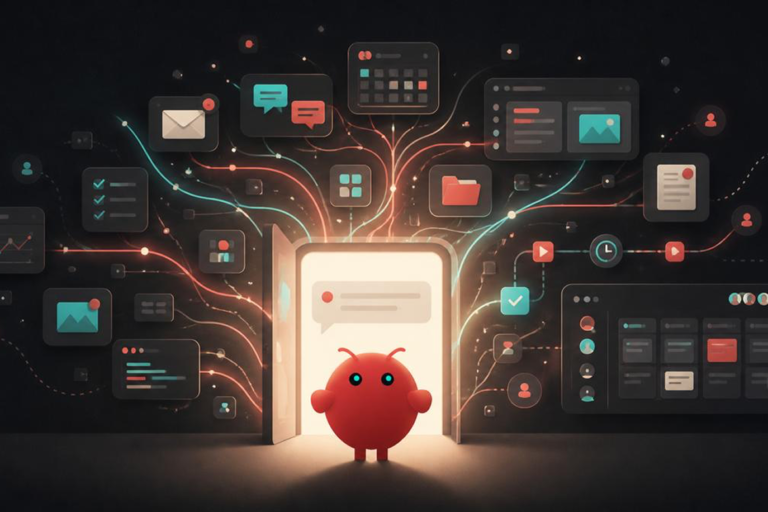
Open-source AI agent OpenClaw released its largest update yet, simplifying installation and adding shared cloud sessions that let multiple people collaborate on one agent.

Anthropic opened a research preview of the Model Hardware Standard, letting AI agents operate lab and factory equipment like microscopes and robotic arms in its first...