
OpenAI has introduced Education for Countries, a new pillar of its OpenAI for Countries initiative, aimed at embedding artificial intelligence into national education systems. The program is designed to address what OpenAI describes as a growing “capability overhang,” the gap between what AI tools can do and how widely they are used in everyday work and learning.
The company points to research suggesting that by 2030 nearly 40% of the core skills used in today’s jobs will change, largely due to AI adoption. Education systems are seen as a primary channel for closing this gap by aligning learning, training, and research with evolving labor market needs.
Tools, Research, and Training at National Scale
Education for Countries focuses on partnerships with governments, ministries of education, and university consortia. Participating systems gain access to AI tools such as ChatGPT Edu, GPT-5.2, study mode, and canvas, which can be customized to local curricula and learning priorities. The initiative also includes large-scale research collaborations to assess how AI affects student learning outcomes and teacher productivity, with findings intended to inform national education and workforce policy.
Training and certification form another core component. OpenAI plans to work with education systems to deliver tailored AI training programs through the OpenAI Academy and ChatGPT-based certifications. These efforts are aimed at equipping educators and students with practical AI skills aligned with national workforce strategies. A global network of participating governments, researchers, and education leaders will share best practices and deployment insights.
Early Adopters and Phased Rollouts
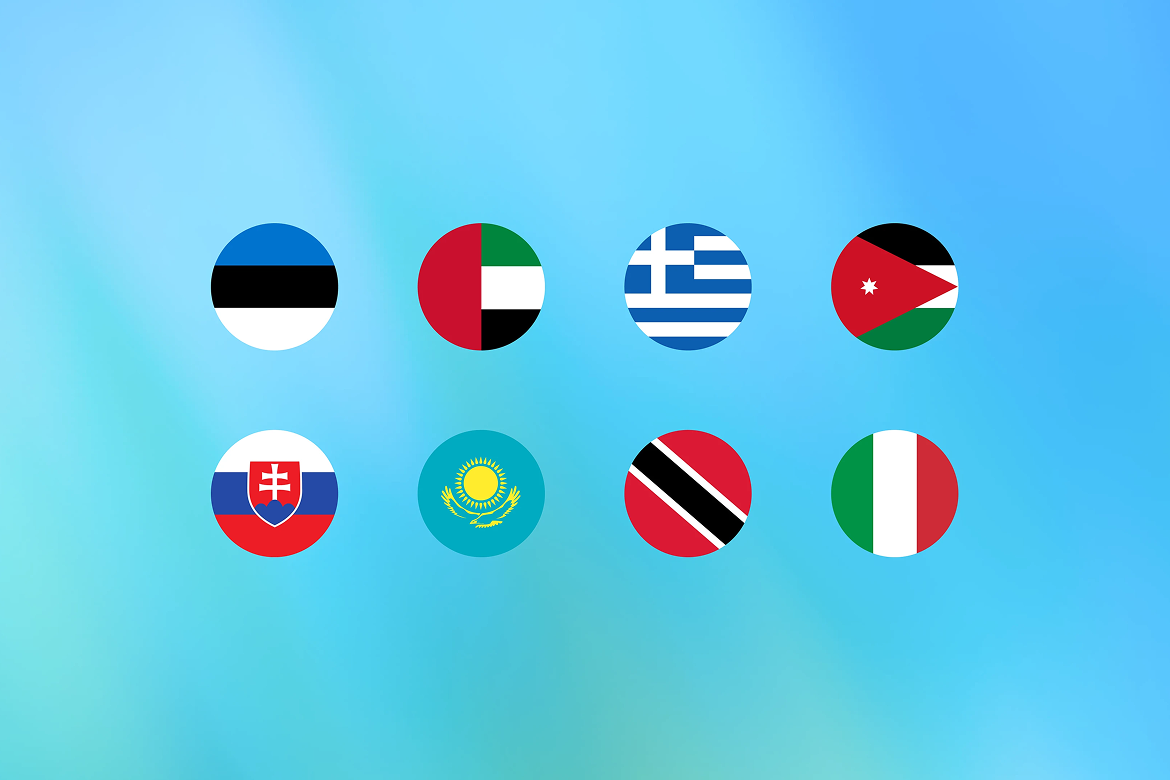
The first cohort of participating countries and institutions includes Estonia, Greece, Italy’s Conference of University Rectors, Jordan, Kazakhstan, Slovakia, Trinidad and Tobago, and the United Arab Emirates. In Estonia, ChatGPT Edu has already been deployed nationwide across public universities and secondary schools, reaching more than 30,000 students, educators, and researchers in its first year.
OpenAI is also engaged in longitudinal research partnerships, including a joint study with the University of Tartu and Stanford University involving 20,000 students to measure AI’s long-term impact on learning outcomes.
Rollouts typically follow a phased model. Educators are trained first to lead classroom adoption, while higher education students gain broader access to tools. In secondary education, student use begins through limited pilots developed with local authorities to ensure alignment with safety standards and curricula. These efforts are paired with ongoing work to strengthen protections for younger users, including age-appropriate model behavior and AI literacy resources developed with partners such as Common Sense Media.
OpenAI is not alone in pursuing government-backed education efforts. Rival Anthropic has partnered with Iceland’s Ministry of Education to deploy its Claude model to teachers nationwide in one of the first national AI education pilots, while Microsoft has launched a large-scale AI skills initiative in Poland aimed at training one million people by the end of 2025.