
Vitalik Buterin Says AI’s Real Danger Is Who Controls It
Ethereum's Vitalik Buterin argued the gravest AI risk is not rogue superintelligence but a few companies or governments seizing control of it, in a widely shared...
Follow laws, ethics, government oversight, antitrust and international policy shaping technology and AI. See how regulators, courts and treaties influence innovation, data governance and competition across the digital economy. This category tracks the evolving rules that guide tech’s impact on society.
Ethereum's Vitalik Buterin argued the gravest AI risk is not rogue superintelligence but a few companies or governments seizing control of it, in a widely shared...

Twenty-six Meta workers sued the company, alleging its AI systems used metrics like token consumption to select layoff targets, disadvantaging people on medical or family leave.
Google DeepMind CEO Demis Hassabis proposed a US-led standards body to test the most powerful AI models before release and coordinate an industry slowdown if risks...
Tencent is in talks to become Manus's largest shareholder as investors race to reverse Meta's $2 billion purchase of the AI agent startup, after Beijing ordered...
OpenAI will release its GPT-5.6 models, Sol, Terra and Luna, to the public on July 9 after clearing US government review far faster than the 30-day...
OpenAI has proposed handing the US government a roughly 5% stake, worth about $43 billion, to seed a public wealth fund and ease mounting political pressure...
The US Commerce Department lifted export controls on Anthropic's Claude Fable 5 and Mythos 5, ending an 18-day standoff and restoring the models globally from July...
As Washington limits Anthropic's and OpenAI's top models on security grounds, critics warn the restrictions are handing momentum to Chinese open-weight rivals like GLM-5.2.
GPT-5.6 Sol brings stronger coding and cyber capabilities with OpenAI's most robust safeguards, but a government-approved rollout echoes the Anthropic model ban.
Google AI Overviews liability sets a precedent as a German court rejects the click-to-verify defense, a ruling that could reach ChatGPT, Claude and Perplexity.
Anthropic's Fable 5 and Mythos 5 shutdown, the first US export control on an LLM, has Carney and EU lawmakers pushing to reduce reliance on American...
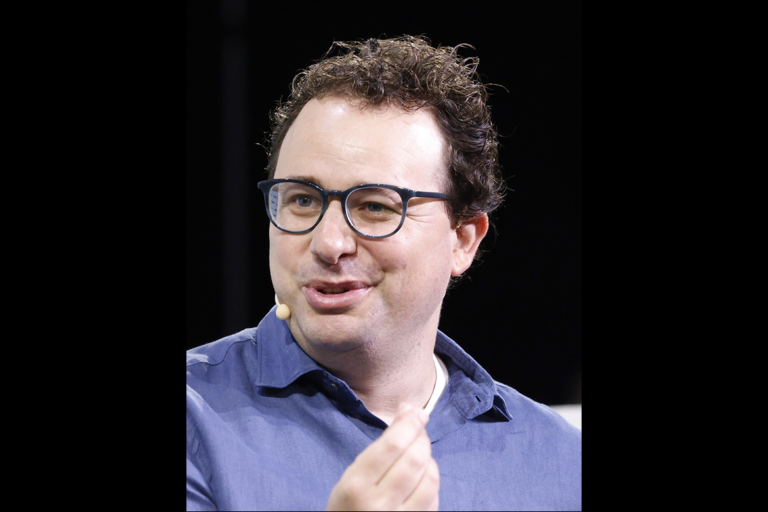
Anthropic CEO Dario Amodei published an essay urging binding, FAA-style safety testing for frontier AI models, marking a shift from the company's earlier focus on transparency.