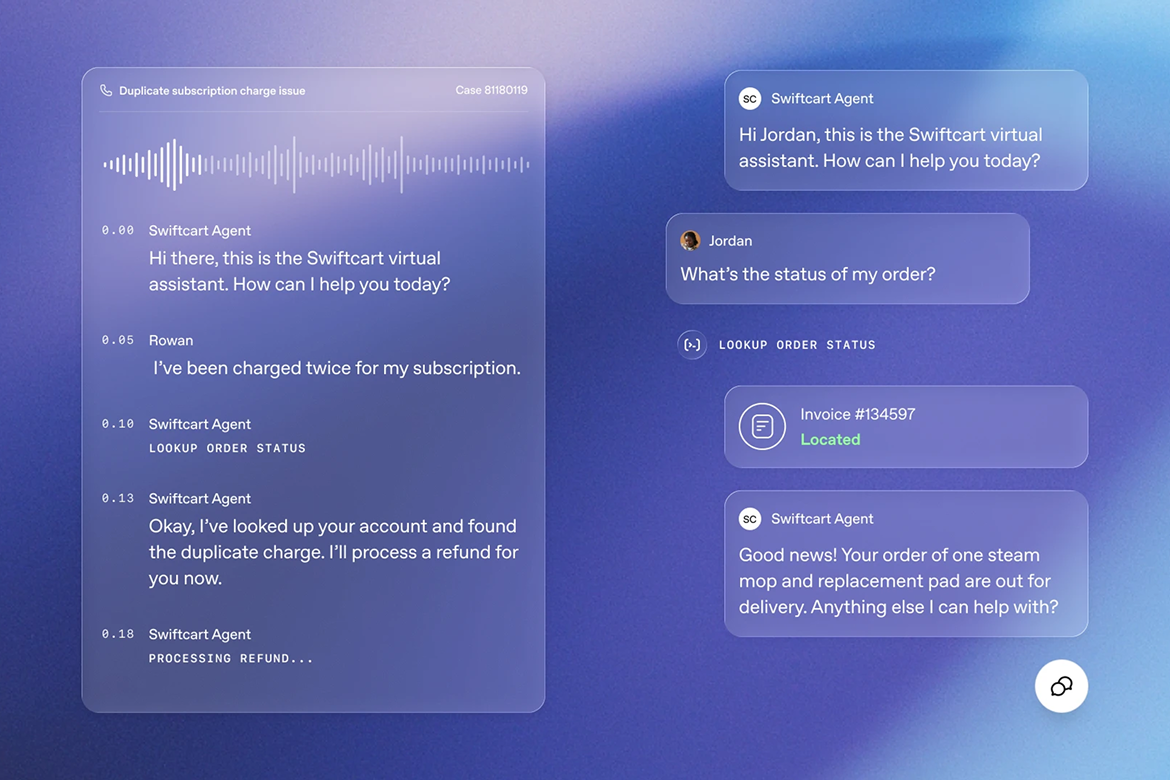
OpenAI Launches Presence to Deploy Enterprise AI Agents
OpenAI launched Presence, a deployment product that helps enterprises run governed AI agents for voice and chat tasks like customer support, with human handoff and policy controls built in.

Microsoft AI is Microsoft's AI product organization behind Copilot experiences, model development, agentic software, and consumer AI products.
Microsoft AI is Microsoft’s consumer and product AI organization, built around Copilot, Bing, Edge, Windows AI experiences, model development, and agentic software. The division was formed in 2024 and is led by Mustafa Suleyman, while Microsoft broadly remains one of the most influential AI companies through Azure AI, Microsoft 365 Copilot, GitHub Copilot, enterprise agents, and its long-running partnership with OpenAI.
Microsoft’s AI strategy combines infrastructure, productivity software, developer tools, cloud services, frontier model access, and enterprise governance. Its AI products are embedded across Windows, Microsoft 365, Azure, GitHub, security, search, and business applications.
Azure AI Foundry, Azure OpenAI Service, GitHub Copilot, Microsoft Graph, Copilot Studio, Agent 365, and Microsoft developer tools.
Cloud usage, enterprise software subscriptions, Copilot subscriptions, developer tools, Azure AI services, and platform licensing.
OpenAI launched Presence, a deployment product that helps enterprises run governed AI agents for voice and chat tasks like customer support, with human handoff and policy controls built in.
Google is designing Frozen v2, a chip that hardwires parts of its Gemini model into silicon and could serve six to ten times more tokens per watt, targeting deployment by 2028.

Microsoft is coaching its sales force to argue its AI products beat OpenAI's and Anthropic's on cost, security and completeness, turning on the partners whose models it long relied on.

IBM shares sank about 23% after it warned that preliminary second-quarter results fell short, as clients diverted spending toward memory and servers ahead of price increases.
OpenAI is discontinuing ChatGPT Atlas, its standalone AI browser, on August 9, folding its agentic browsing into the new ChatGPT desktop app just nine months after launch.
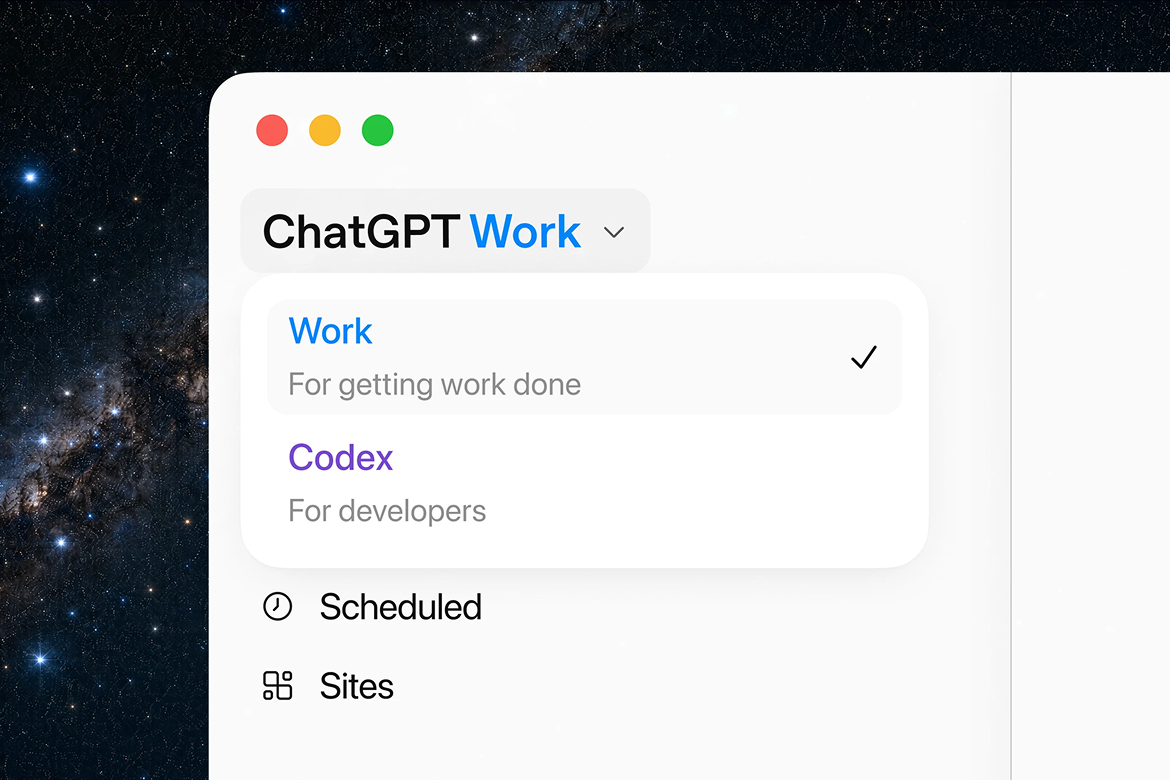
OpenAI launched ChatGPT Work, a GPT-5.6 agent that pulls context from a user's apps to produce finished docs, slides and sites, as it merges Codex into a unified desktop app.

Meta plans to begin manufacturing its in-house Iris AI chip in September as it aims to double computing capacity to 14 gigawatts next year and cut its reliance on Nvidia.
Microsoft cut about 4,800 jobs, roughly 2.1% of its workforce, hitting Xbox and commercial sales hardest, the latest tech layoffs to intensify fears about AI and work.
Nvidia's Kyber rack for its 2027 Rubin Ultra chips has slipped more than a year to 2028 over a hard-to-manufacture circuit board, SemiAnalysis says, with no proven fallback.

Big Tech's AI capital spending is projected to reach about 3.2% of US GDP by 2027, overtaking national defense spending as a share of the economy for the first time.