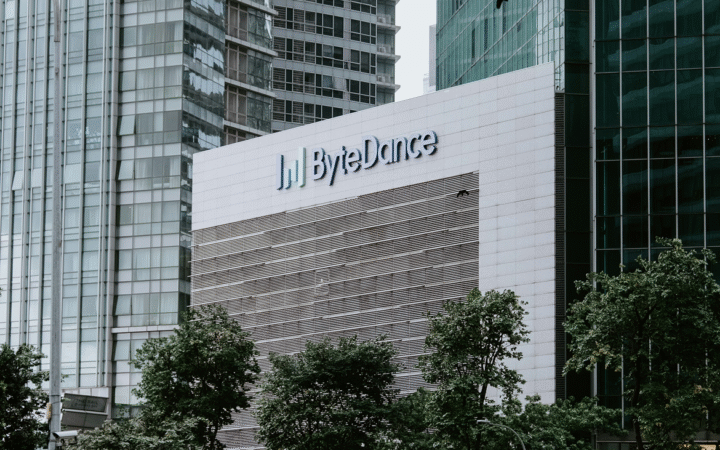
U.S. Senators Marsha Blackburn and Peter Welch are calling on ByteDance to halt its new AI video generator, Seedance 2.0, citing serious copyright and intellectual property concerns.
In a letter addressed to ByteDance CEO Liang Rubo, the lawmakers described the tool as “the most glaring example of copyright infringement” among the company’s products and urged immediate action to prevent further violations.
Seedance 2.0 allows users to generate videos featuring real people and licensed characters, raising alarms over unauthorized use of likeness and protected content. Lawmakers pointed to examples that included depictions of Tom Cruise and Brad Pitt, as well as content inspired by the Stranger Things franchise.
The controversy reflects mounting concern in Washington over how generative AI models are trained and deployed. While Congress has largely avoided sweeping regulation to preserve U.S. competitiveness, pressure is growing for targeted safeguards, especially around copyright, artist rights, and personal likeness protections.
Industry groups have also responded. The Motion Picture Association reportedly issued a cease-and-desist letter, and ByteDance has paused Seedance’s global rollout as scrutiny intensifies.
ByteDance said it respects intellectual property rights and is working to strengthen safeguards, though details remain limited. The situation underscores the broader challenge facing AI companies as they balance rapid innovation with legal and ethical constraints.