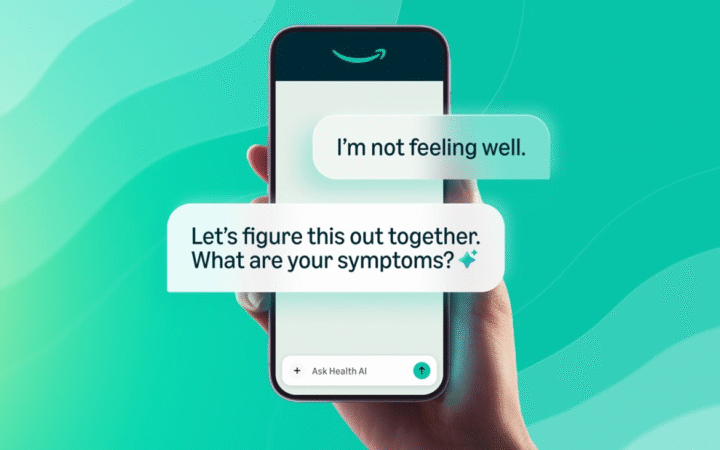

Utah has launched a pilot program allowing AI to handle certain medical prescription renewals without direct physician involvement, a first for the United States. The initiative, in partnership with health-tech startup Doctronic, targets routine prescription management for patients with chronic conditions.
State officials describe the program as a potential way to reduce health care costs, prevent medication lapses, and ease strain on clinicians, particularly in rural areas. Margaret Busse, executive director of the Utah Department of Commerce, said automating renewals provides “a pathway to innovation for entrepreneurs using AI in creative ways that may be bumping up against regulation.”
The program, which began quietly last month, raises questions about patient safety and regulatory oversight. The Food and Drug Administration has not yet commented on whether it has authority over AI systems performing prescription management. If regulators assert control, it could slow expansion or require additional safety protocols.
Doctronic’s system automates routine renewals by assessing prescription history and patient data to approve refills, generating a record of each interaction. State officials say the system could improve access to care while creating data that informs future AI policy.
Medical groups have voiced caution about delegating prescribing authority to algorithms. Dr. John Whyte, CEO of the American Medical Association, said that while AI has “limitless opportunity to transform medicine for the better,” bypassing physician oversight poses serious risks. Concerns include missing subtle clinical red flags, failing to detect drug interactions, and potential misuse by patients seeking drugs inappropriately.
The pilot represents an early test of how far policymakers, clinicians, and patients are willing to trust AI in sensitive medical decisions. Utah’s initiative is part of a broader trend of AI adoption in healthcare, where algorithms are increasingly used to augment clinical workflows and patient care. Recent examples include Bristol Myers Squibb and Microsoft collaborating on AI-powered radiology tools for early lung cancer detection, particularly in underserved communities, and AI-native biotech Proxima securing $80 million to advance AI-driven cancer and immunology therapeutics targeting previously “undruggable” molecules. Utah’s experiment could set a precedent for AI-driven care delivery in the U.S., particularly in areas facing provider shortages and rising healthcare costs.