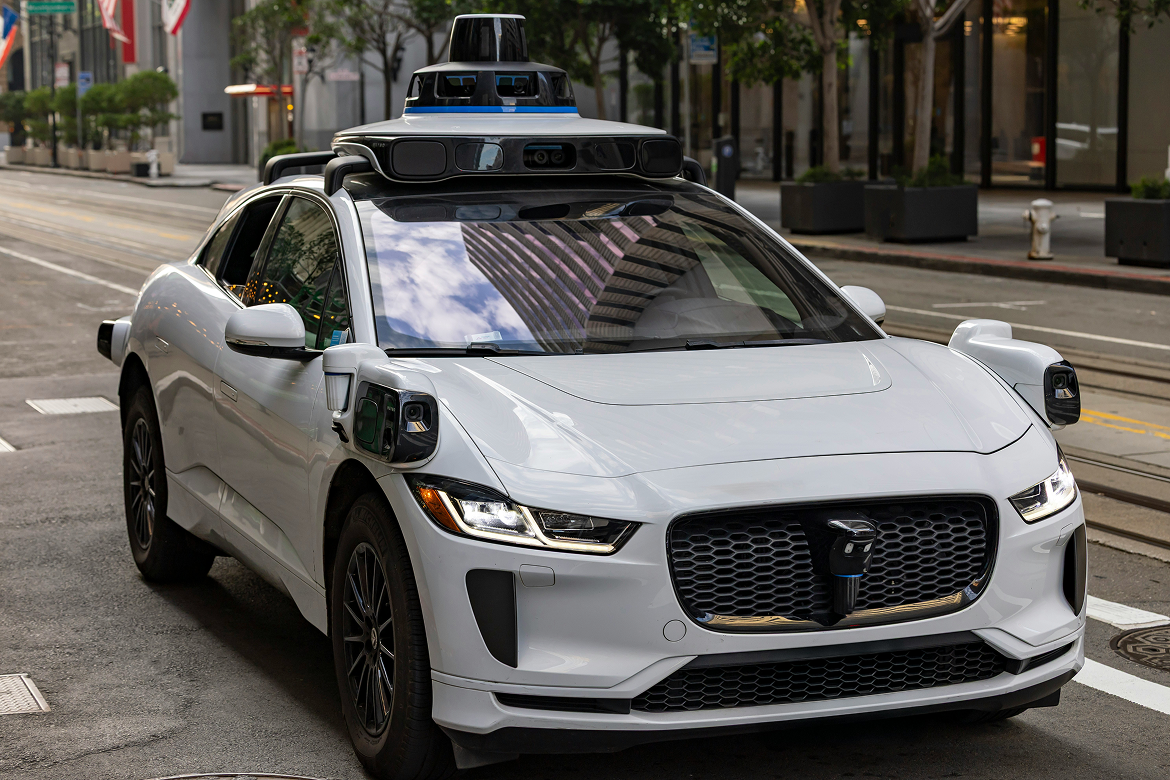

Autonomous ride-hailing shifted from experimentation to limited commercialization in 2025, with Alphabet-owned Waymo firmly in the lead across the U.S. Waymo now offers paid robotaxi rides in five major markets, up from three at the end of 2024, and has crossed an estimated 450,000 weekly paid trips. The company said it served 14 million rides in 2025, putting total trips since launch above 20 million.
Waymo operates in Austin, the San Francisco Bay Area, Phoenix, Atlanta, and Los Angeles. It expanded eligibility to teens aged 14 to 17 in Phoenix and began offering freeway rides in several markets. Alphabet Chief Executive Sundar Pichai has said Waymo could become financially meaningful by 2027 or 2028 as scale increases.
The company plans to launch services in more than a dozen U.S. cities in 2026, including Dallas, Miami, Washington, D.C., and Las Vegas, and has announced its first international rollout in London. Waymo is also testing in dense markets such as New York and Tokyo and preparing for colder climates in cities like Denver and Detroit.
However, expansion has brought scrutiny. Waymo recently faced a federal investigation after reports that its vehicles repeatedly passed stopped school buses in Texas, prompting a software recall. The company has also drawn community criticism following several high-profile incidents involving animals and unusual driving behavior.
Rivals Gain Ground, with Limits
Amazon-owned Zoox launched public robotaxi rides in Las Vegas and parts of San Francisco in 2025, using custom-built vehicles without steering wheels or pedals. Rides are currently free as Zoox awaits regulatory approval to charge passengers, which it expects in 2026. The company has deployed about 50 vehicles and opened a factory designed to scale production to 10,000 units annually. Zoox has issued multiple software recalls this year following collisions and braking issues.
Tesla entered the robotaxi market with supervised pilot services in Austin and the San Francisco Bay Area. Its vehicles still require human safety monitors, and the company lacks permits for fully driverless commercial service in California. Tesla reported several minor collisions involving its newer automated driving system and continues to face regulatory attention tied to its Autopilot and Full Self-Driving systems.
Consumer adoption remains cautious. A 2025 survey by the American Automobile Association found that 66% of U.S. drivers felt fearful of autonomous vehicles. Robotaxi fares are also higher than human-driven alternatives, according to pricing data tracked by Obi.
China Emerges as a Formidable Competitor
Chinese robotaxi operators scaled more aggressively in 2025. Baidu’s Apollo Go reported more than 250,000 weekly driverless rides and disclosed 17 million ride orders through the third quarter. Apollo Go operates in several major Chinese cities and is expanding into the Middle East and Europe through partnerships.
Other Chinese firms, including Pony.ai and WeRide, expanded services domestically and abroad. WeRide now operates robotaxis in multiple countries and manages a fleet of about 1,600 autonomous vehicles across several use cases.
As robotaxi fleets grow, safety performance, regulatory acceptance, and cost reductions will determine whether autonomous ride-hailing can move beyond early adoption and into broader urban transportation.