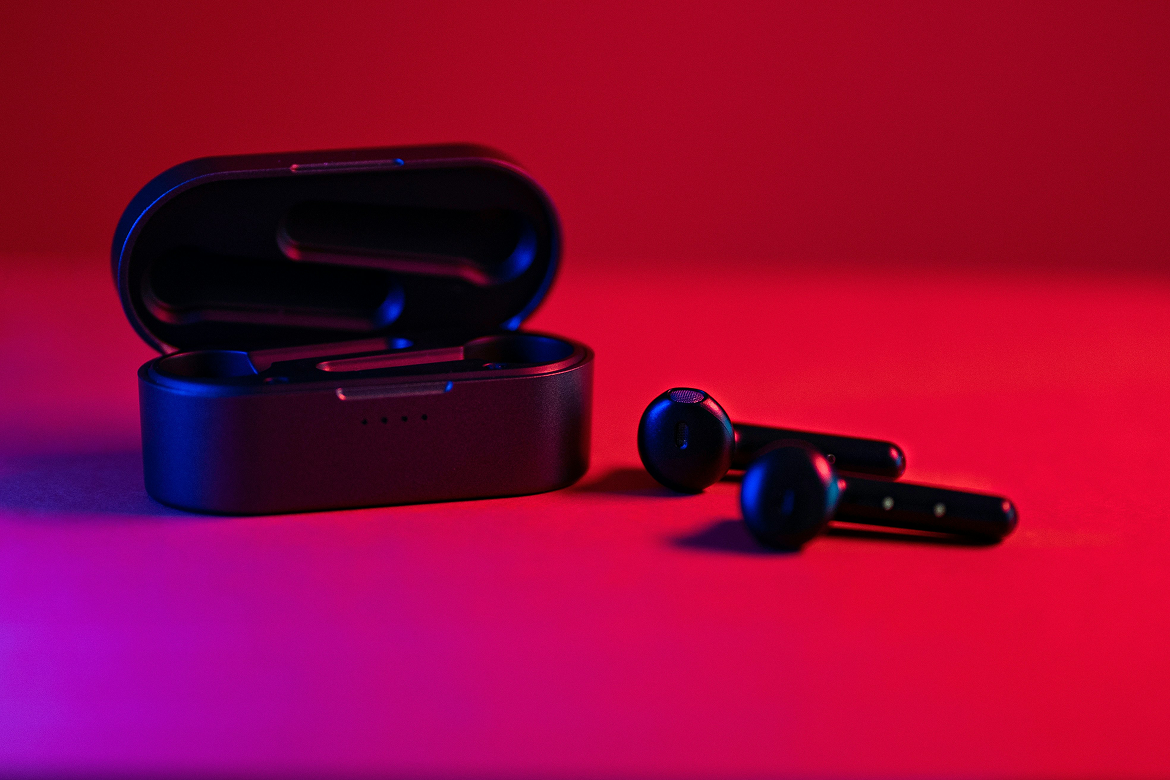

OpenAI is preparing to launch its first consumer hardware device in the second half of 2026, according to Chris Lehane, the company’s Chief Global Affairs Officer. While details remain limited, reports suggest the product will be a pair of AI-powered earbuds codenamed “Sweet Pea,” designed to operate independently of a screen and with a focus on local AI processing rather than cloud reliance.
Last year, OpenAI acquired io, the startup founded by former Apple design chief Jony Ive, fueling speculation about the company’s design ambitions. CEO Sam Altman has described the upcoming device as “peaceful and calm,” contrasting it with mainstream devices like iPhones.
Device Specifications and Manufacturing
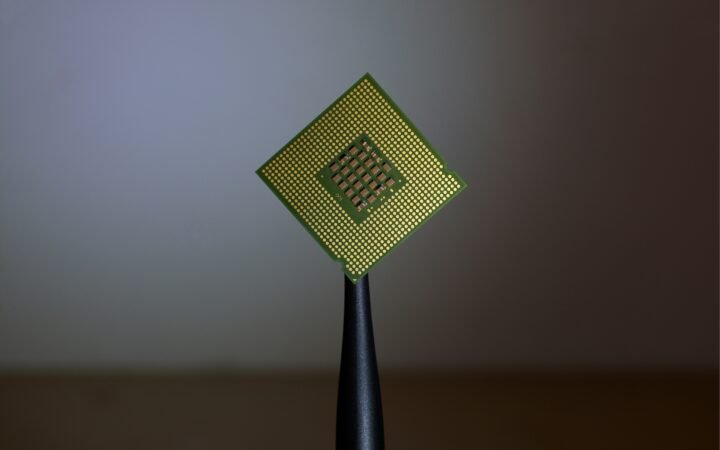
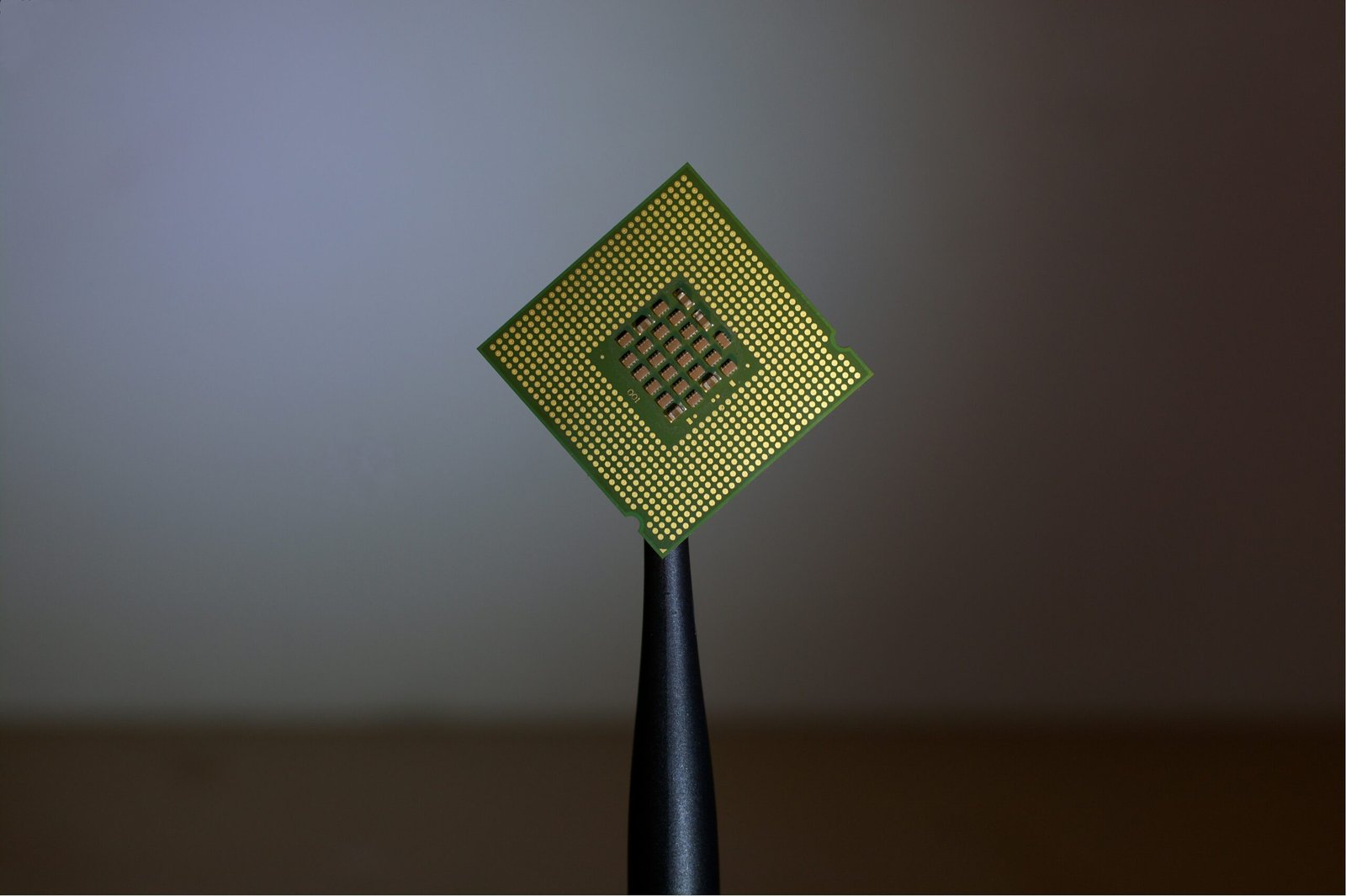
Sources in Asian media indicate the earbuds could feature a custom 2-nanometer processor capable of running AI tasks locally, enabling functions such as voice assistance and content summarization without constant cloud connectivity. Manufacturing discussions reportedly include China-based Luxshare and Taiwan’s Foxconn, with the latter potentially favored for production. OpenAI aims to ship 40 to 50 million units in the first year.
Strategic Implications for OpenAI
OpenAI’s ChatGPT has nearly a billion weekly users, but the AI assistant currently relies on third-party platforms for distribution. By releasing its own device, the company could exercise more control over development, distribution, and integration of exclusive AI features. Analysts note, however, that achieving mainstream adoption will be challenging unless the earbuds integrate seamlessly with popular operating systems.
The wearable AI market has yet to produce a widely successful standalone device. Last year, Humane Pin was sold to HP, Rabbit has experienced limited traction, and the Friend AI companion necklace faced backlash over marketing strategies.
Meanwhile, major tech companies are continuing to expand in wearables. Meta’s Ray-Ban smart glasses are scaling rapidly, and Amazon acquired Bee, an AI meeting recorder with potential consumer companion features. OpenAI’s “Sweet Pea” will enter this competitive landscape, attempting to carve out a niche for AI-centric, purpose-built wearables.