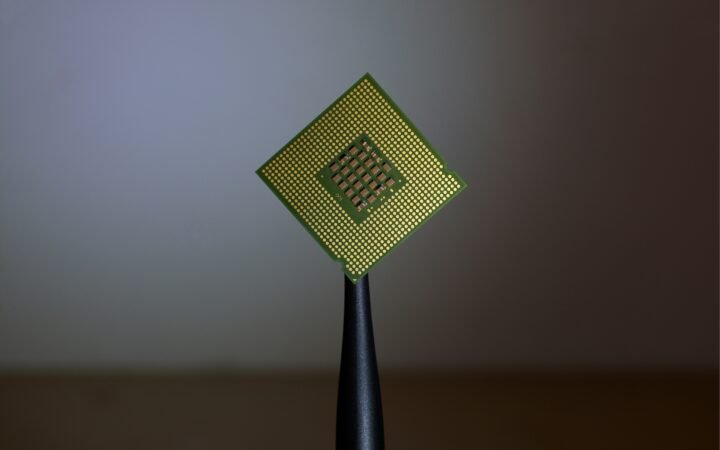
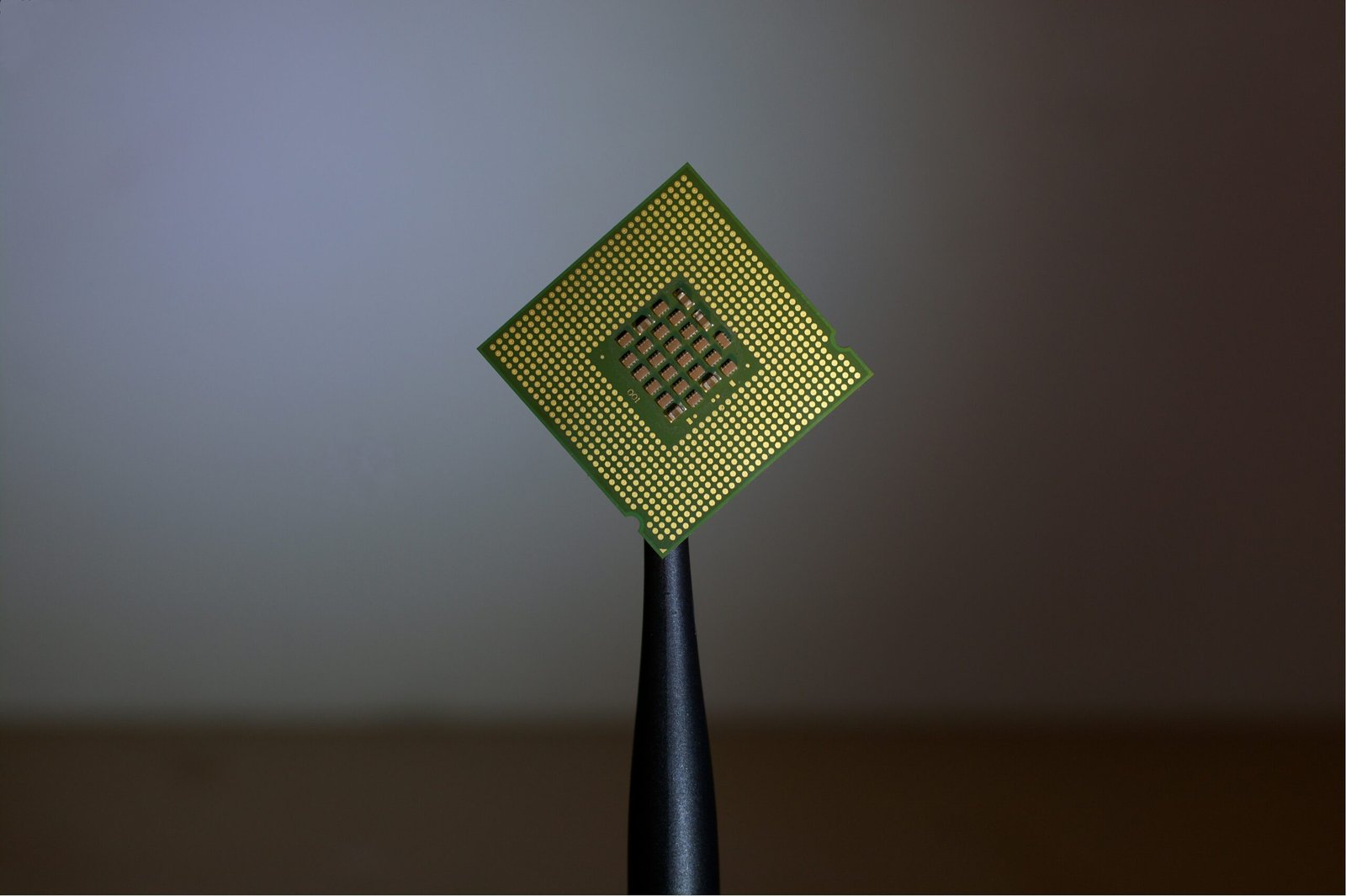
The U.S. Department of Commerce will allow Nvidia to export its advanced H200 AI chips to approved commercial customers in China, according to reports. The move comes with a 25% revenue share for the U.S. government and applies only to H200 chips roughly 18 months old.
H200 chips are significantly more powerful than the H20 chips Nvidia developed specifically for China. The decision follows weeks of deliberation, with U.S. Commerce Secretary Howard Lutnick noting that the ultimate approval rested with President Trump. Nvidia applauded the decision, saying it balances national interests with global competitiveness.
Congressional Concerns and Legislative Pushback
The export authorization conflicts with ongoing Congressional concerns over national security. On December 4, Senators Pete Ricketts and Chris Coons introduced the Secure and Feasible Exports (SAFE) Chips Act, which would block advanced AI chip exports to China for 30 months. The timing of a vote on the bill remains unclear following the administration’s decision.
The Trump administration has fluctuated on AI chip exports. Licensing requirements were imposed in April, and prior Biden-era diffusion rules regulating chip sales were formally rescinded in May. A revenue-sharing plan of 15% had been proposed over the summer as chips became leverage in trade discussions. Meanwhile, China restricted domestic companies from buying Nvidia chips in September, forcing reliance on domestic alternatives from Alibaba and Huawei.
President Trump said that Chinese President Xi Jinping responded positively to the latest H200 export news, signaling potential goodwill in bilateral tech discussions.
Nvidia Expands AI and Robotics Leadership
Beyond chip exports, Nvidia continues to expand its AI and robotics portfolio. The company is in talks with SoftBank to invest $1 billion in Skild AI, a robotics-focused AI startup developing foundation models for robots. The investment could value Skild at $14 billion, highlighting strong interest in humanoid robotics.
Nvidia also unveiled a new AI server that boosts mixture-of-experts model performance by 10x. The system leverages 72 chips with high-speed interconnects, maintaining Nvidia’s competitive edge over AMD and other rivals. These moves reinforce Nvidia’s leadership in AI hardware, robotics applications, and high-performance computing.
The H200 export approval, alongside investments in robotics and AI servers, positions Nvidia to extend its influence across both international markets and emerging AI sectors, balancing commercial growth with ongoing security debates.