
Peter Thiel Backs Panthalassa’s $140 Million Ocean AI Infrastructure Bet
Panthalassa has raised $140 million to scale offshore AI computing systems powered by ocean waves. The company says its floating infrastructure could help solve the energy...
Analysis of data centres, chips, semiconductors, edge computing and AI infrastructure powering the digital economy. Understand how next-generation computing resources, connectivity and hardware ecosystems support growth of online services and artificial intelligence worldwide. This category tracks the unseen backbone of modern technology.
Panthalassa has raised $140 million to scale offshore AI computing systems powered by ocean waves. The company says its floating infrastructure could help solve the energy...

Anthropic has signed a compute agreement with SpaceX that adds access to more than 220,000 NVIDIA GPUs at the Colossus 1 data center. The added capacity...

Anthropic has signed a deal to access SpaceXAI’s Colossus 1 supercomputer, adding more than 220,000 NVIDIA GPUs to support Claude training and inference workloads.

Anthropic has reportedly committed to spending $200 billion on Google Cloud services over five years, underscoring the massive infrastructure demands of advanced AI development.
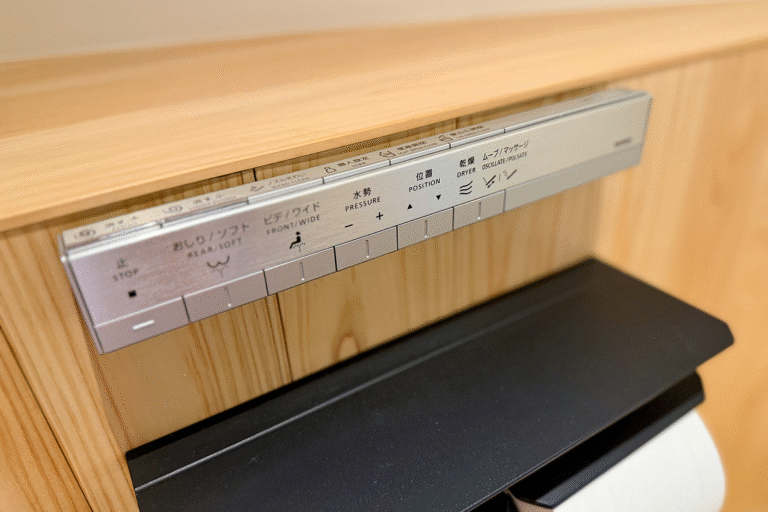
Toto Ltd. shares jumped after strong semiconductor growth tied to AI demand. The shift highlights how legacy manufacturers are benefiting from the global AI infrastructure boom.

Former Oracle employees say they were asked to help train internal AI systems before being laid off, as the company shifts resources toward data centers and...

SoftBank is preparing a new AI and robotics company to automate data center construction, with plans for a potential $100 billion IPO. The move targets growing...

OpenAI is deepening ties with Amazon while restructuring its long-standing partnership with Microsoft. The shift reflects growing demand for flexible cloud access and AI infrastructure.
Meta has signed a deal with Overview Energy to beam solar power from space to Earth. The project aims to supply constant energy for AI data...
OpenAI and Microsoft have revised their partnership to cap revenue sharing and allow broader cloud distribution. The changes reflect growing competition and OpenAI’s push for flexibility.
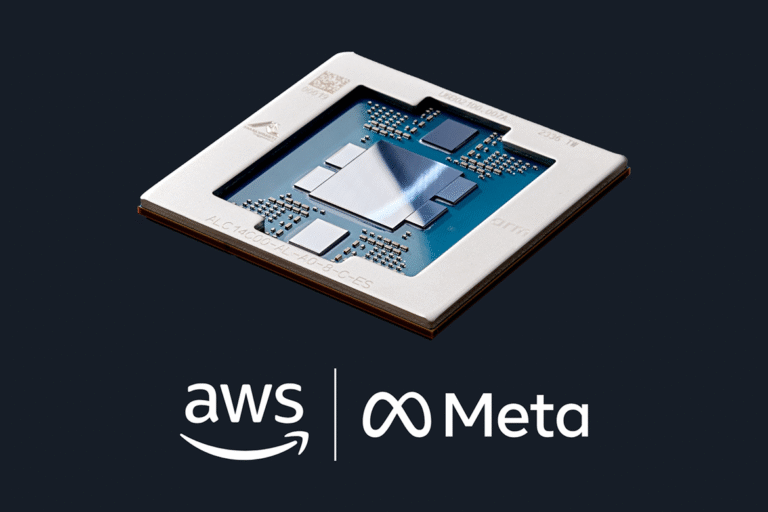
Meta will deploy tens of millions of AWS Graviton cores to power its next generation of AI systems. The deal highlights rising demand for CPU-driven infrastructure...

Anthropic is actively recruiting a senior executive to source and negotiate data center deals across Europe, signaling the company's intent to expand its AI compute infrastructure...