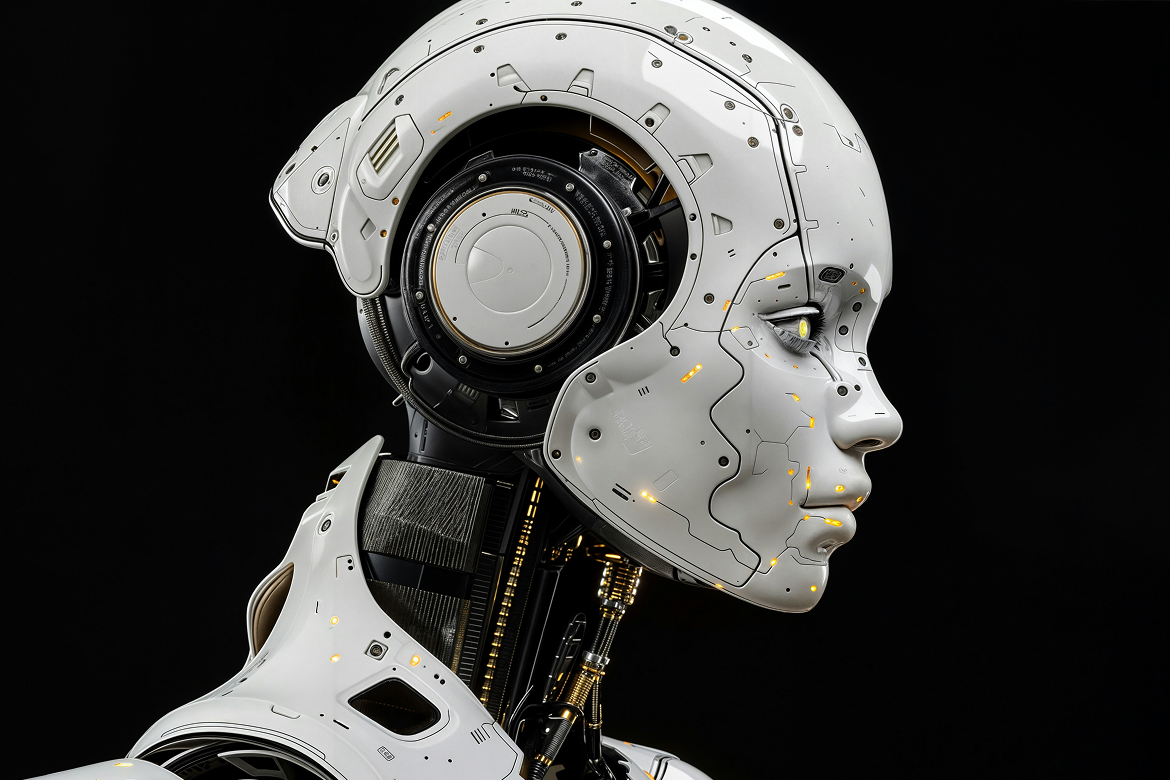

Commercial humanoid robots may now deliver a return on investment in less than 10 weeks compared with human labor, according to a former executive at Citigroup, marking a potential inflection point in automation economics.
Speaking to CNBC, the former banking executive said companies can already purchase humanoid robots that achieve payback periods of under three months. In corporate finance terms, that would represent an unusually fast recovery of capital expenditures. Many enterprise investments typically require payback windows of 12 to 18 months to meet internal approval thresholds.
If validated at scale, a sub-10-week ROI would significantly lower the financial barrier to deploying humanoid robots across labor-intensive industries.
Economics Shift in Automation
The claim comes as robotics developers accelerate commercialization efforts. Tesla is advancing its Optimus humanoid robot, while Figure AI has begun testing its systems in manufacturing environments, including trials with BMW. These robots combine improvements in hardware design with advances in large language models and computer vision, enabling more adaptable manipulation and task execution than earlier industrial machines.
The economic argument rests on falling hardware costs and rising labor expenses. U.S. manufacturing wages have increased significantly since 2020, while robotics components and AI software have become more capable and, in some cases, more affordable. Enterprises facing persistent labor shortages may see automation as a hedge against workforce volatility.
Amazon already operates hundreds of thousands of robots in its fulfillment centers, though most are not humanoid. More generalized humanoid systems, if commercially viable, could expand automation beyond structured warehouse environments into retail, food service, and light manufacturing.
Questions Around Deployment
The 10-week payback estimate has not been independently verified and may reflect ideal operating conditions. Total cost of ownership typically includes integration, maintenance, downtime, software updates, and training. Early deployments often encounter hidden costs that extend ROI timelines.
Even so, analysts note that the precise payback period may be less important than the broader trend. If humanoid robots can approach even a 20- or 30-week return window, automation could still gain momentum in sectors with thin margins and high turnover.
Wall Street is also beginning to model the opportunity. Recent Barclays Research said humanoid robots are moving from experimental labs into real-world deployment as advances in AI and hardware reduce costs. The firm estimates the market could expand sharply over the next decade, particularly as labor shortages persist across developed economies.
For corporate decision-makers, the debate is increasingly financial rather than theoretical. If ROI thresholds continue to compress and capital markets assign significant long-term value to the sector, humanoid automation may shift from pilot programs to mainstream capital allocation decisions sooner than many policymakers anticipate.