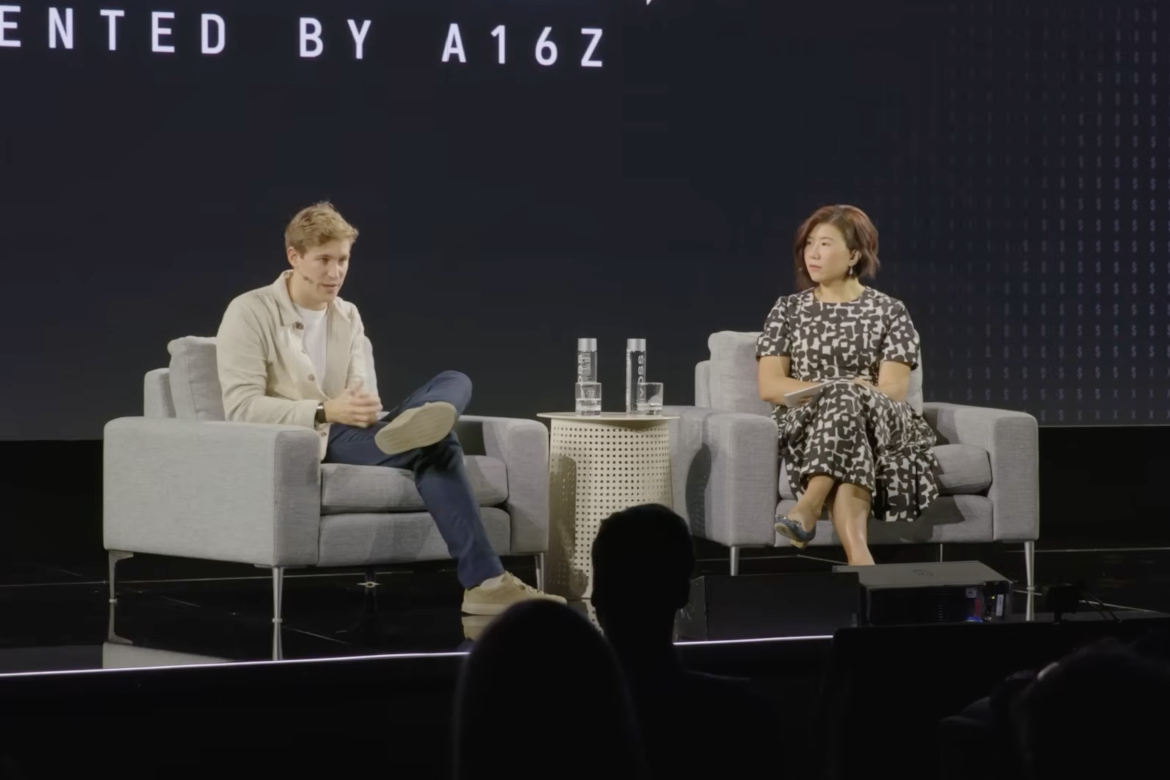

ElevenLabs, the British-Polish AI startup behind one of the world’s leading voice synthesis platforms, says its best hire wasn’t found on LinkedIn – but in a call center. According to ElevenLabs CEO and co‑founder Mati Staniszewski, abandoning traditional recruitment channels helped the company uncover exceptional talent that major tech firms often overlook.
Speaking on the a16z podcast, Staniszewski explained that ElevenLabs’ unconventional hiring approach began out of necessity. “If you want the best people for research challenges, you can’t limit yourself to San Francisco or the U.S. West Coast,” he said. “You have to look anywhere – Europe, Asia, wherever great minds are.”
That philosophy led to one of the company’s most remarkable hires: a researcher who had been working as a call center operator while building an open-source text-to-speech model in his free time. “We found someone developing an impressive open-source model while taking customer calls to make a living,” Staniszewski recalled. “He’s now one of our top data research experts.”
ElevenLabs’ roots lie in Poland, where its founders first noticed how traditional film dubbing often sounded flat and uninspired — an observation that inspired them to build AI tools capable of natural, emotionally rich voice synthesis. Today, the company’s voice technology powers audiobooks, video games, and content platforms across the globe.
The company’s decision to avoid traditional recruiting sites like LinkedIn was part of a broader cultural shift. “We realized that relying on corporate hiring filters would just give us the same profiles everyone else was chasing,” said Staniszewski. “By looking beyond the standard channels, we built an incredible team of people who might never have been noticed otherwise.”
Now valued at $6.6 billion, ElevenLabs recently allowed employees to sell a portion of their shares – a sign of confidence in its growth trajectory. The company’s workforce has expanded rapidly, with team members distributed across New York, San Francisco, Warsaw, Bangalore, Tokyo, and London.
Despite its growth, ElevenLabs maintains a flat organizational structure, encouraging employees to take ownership and influence company direction. “We don’t want layers of bureaucracy,” Staniszewski said. “Anyone here can make an impact quickly.”
The startup also pays attention to the cognitive load that comes with working in a fast-paced AI environment. “When you add someone to every Slack channel, they lose focus,” Staniszewski noted. “Sometimes the best way to help people is to protect their attention.”
For ElevenLabs, this balance between innovation, focus, and human connection defines its culture. The company’s success story – from finding a call center researcher to leading global AI voice technology – highlights an essential truth of the new tech era: brilliance often hides in unexpected places.
Disclaimer: AIstify is an independent media brand owned and operated by NuvexMedia LLC, publishing news, research, and insights on artificial intelligence, emerging technologies, automation, and related industries. NuvexMedia LLC invests in and collaborates with companies across the AI, technology, software, and digital innovation sectors. These relationships do not influence AIstify’s editorial coverage, and the publication maintains full editorial independence to provide accurate, timely, and objective information. © 2026 NuvexMedia LLC. All rights reserved. This content is for informational purposes only and should not be considered legal, tax, investment, financial, or other professional advice.