Tesla is a leading electric vehicles and autonomous driving company using AI, automation, software, data, or advanced technology across electric vehicle and smart mobility workflows.
Martin Eberhard, Marc Tarpenning, Elon Musk, JB Straubel, Ian Wright
Funding
Public company
Valuation
Public market capitalization varies
Employees
140,000+
About Tesla
Tesla is a major electric vehicle and smart mobility company in the automotive and transportation technology landscape. It belongs in an AI-focused company directory because mobility is being reshaped by electric powertrains, software-defined vehicles, autonomous driving, mapping, fleet analytics, driver monitoring, route optimization, vehicle connectivity, and new transportation marketplaces. Companies in this vertical do not only build cars or trucks. They increasingly build data platforms, sensor systems, AI models, charging and energy ecosystems, logistics networks, and services that change how people and goods move. Founded in 2003, Tesla is headquartered in Austin, Texas, United States. Its leadership field is listed as Elon Musk, and its business profile is best described as a Public electric vehicle, energy, robotics, and AI company. The organization is associated with Martin Eberhard, Marc Tarpenning, Elon Musk, JB Straubel, Ian Wright.
Its major brands, platforms, or operating units include Tesla, Model S, Model 3, Model X, Model Y, Cybertruck, FSD, Robotaxi, Supercharger. Within AIstify’s company directory, Tesla fits into the Electric Vehicles and Autonomous Driving category. Employee count is listed as 140,000+, funding status is Public company, valuation is described as Public market capitalization varies, ownership is Public, and stock ticker information is TSLA. The company’s products and services include Electric vehicles, Full Self-Driving, Autopilot, robotaxi platform, Supercharger network, fleet software, energy storage, vehicle AI. This product surface matters because automotive AI is rarely a single feature. It can appear as perception software, driver assistance, battery management, route planning, fleet safety, robotics, manufacturing analytics, predictive maintenance, connected insurance, charging optimization, map updates, cockpit assistants, infotainment personalization, transport marketplace matching, and simulation systems.
In transportation, the strongest platforms combine hardware, software, data, infrastructure, and operating discipline. Tesla’s relevance to AI and transportation can be understood through several layers. The first layer is sensing: cameras, radar, lidar, GPS, inertial systems, vehicle diagnostics, mobile devices, and fleet sensors collect information about vehicles, roads, drivers, passengers, and freight. The second layer is intelligence: perception models, routing engines, demand prediction, safety scoring, autonomy stacks, battery analytics, and driver assistance systems convert that data into decisions. The third layer is execution: vehicles, driver apps, dispatch systems, charging networks, robotaxi fleets, autonomous trucks, and connected operations platforms act on those decisions. Automotive and transportation AI is difficult because it operates in real physical environments. Roads, weather, lighting, construction, regulation, vehicle maintenance, liability, driver behavior, and local market structure all affect performance.
A model that works in simulation still has to survive edge cases on public roads or in busy fleets. For Tesla, the practical test is whether the technology improves safety, reliability, cost per mile, utilization, energy efficiency, driver experience, passenger experience, or logistics performance. The winning systems are usually those that fit real operations instead of existing only as demos. The competitive context around Tesla is also changing. Automakers are racing to own vehicle operating systems, charging relationships, in-cabin experiences, and recurring software revenue. Robotaxi and trucking companies are trying to prove that autonomous systems can scale safely and economically. Suppliers are shifting from mechanical components toward compute, sensors, perception, and electrical architecture. Fleet platforms are turning vehicle data into safety, compliance, maintenance, and insurance workflows.
Mobility platforms are using AI to balance pricing, routing, dispatch, incentives, and marketplace reliability in real time. From an operator, investor, or buyer perspective, Tesla is worth tracking because it sits near one of the main transformation points in mobility. Its website, product releases, partnerships, safety reports, software updates, OEM programs, fleet deployments, and regulatory filings can show whether the company is moving from pilots into durable transportation infrastructure. AIstify tracks Tesla with tags including tesla profile, tesla company profile, tesla news. The company’s public website is https://www. tesla. com/.
Additional comparison signals include vehicle software autonomy safety fleet efficiency electrification mapping perception sensors logistics driver assistance mobility data connectivity operations partnerships infrastructure regulation reliability scale distribution compute simulation routing telematics vehicle software autonomy safety fleet efficiency electrification mapping perception sensors logistics driver assistance mobility data connectivity operations partnerships infrastructure regulation reliability scale distribution compute simulation routing telematics vehicle software autonomy safety fleet efficiency electrification mapping perception sensors logistics driver assistance mobility data connectivity operations partnerships infrastructure regulation reliability scale distribution compute simulation routing telematics vehicle software autonomy safety fleet efficiency electrification mapping perception sensors logistics driver assistance mobility data connectivity operations partnerships infrastructure regulation reliability scale. For AIstify, this makes Tesla a useful reference point for tracking how artificial intelligence, autonomy, electrification, fleet software, sensors, mapping, and mobility platforms are reshaping automotive and transportation markets.
Click to see more
Products & Business
Products & Services
Electric vehicles
Full Self-Driving
Autopilot
robotaxi platform
Supercharger network
fleet software
energy storage
vehicle AI
Platform & Tools
Vehicle software platforms, connected vehicle systems, fleet dashboards, data APIs, mobility marketplaces, autonomy stacks, sensor integrations, developer tools, or partner programs where available.
Revenue Model
Vehicle sales, software subscriptions, fleet contracts, hardware sales, licensing, mobility marketplace fees, service contracts, data services, enterprise partnerships, and infrastructure revenue.
Key Information
Business Type
Public electric vehicle, energy, robotics, and AI company
Headquarters
Austin, Texas, United States
Founded Date
2003
Company CEO
Elon Musk
Founders
Martin Eberhard, Marc Tarpenning, Elon Musk, JB Straubel, Ian Wright
Brands
Tesla, Model S, Model 3, Model X, Model Y, Cybertruck, FSD, Robotaxi, Supercharger
Investors and technology leaders increasingly view humanoid robots as the next major growth opportunity in artificial intelligence. Industry forecasts suggest the market could expand from a few billion dollars today to hundreds of billions within the next decade.
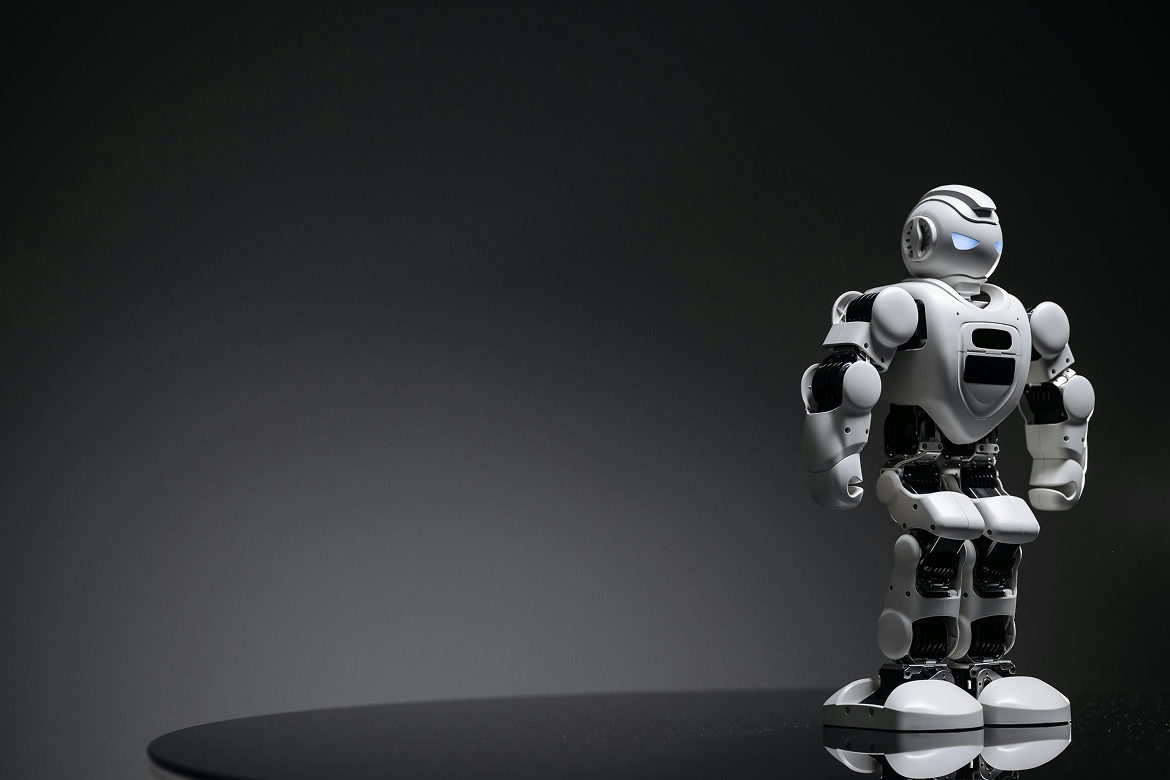
Major AI companies are increasingly focusing on humanoid robots as the next frontier of artificial intelligence. The shift is drawing investments from Nvidia, OpenAI, Tesla, Meta, and a growing group of robotics startups seeking to bring AI into the physical world.
OpenAI has launched a dedicated robotics division focused on building humanoid robots for infrastructure projects and future consumer use. The move expands the company’s ambitions beyond software and places it in direct competition with Tesla’s Optimus program.
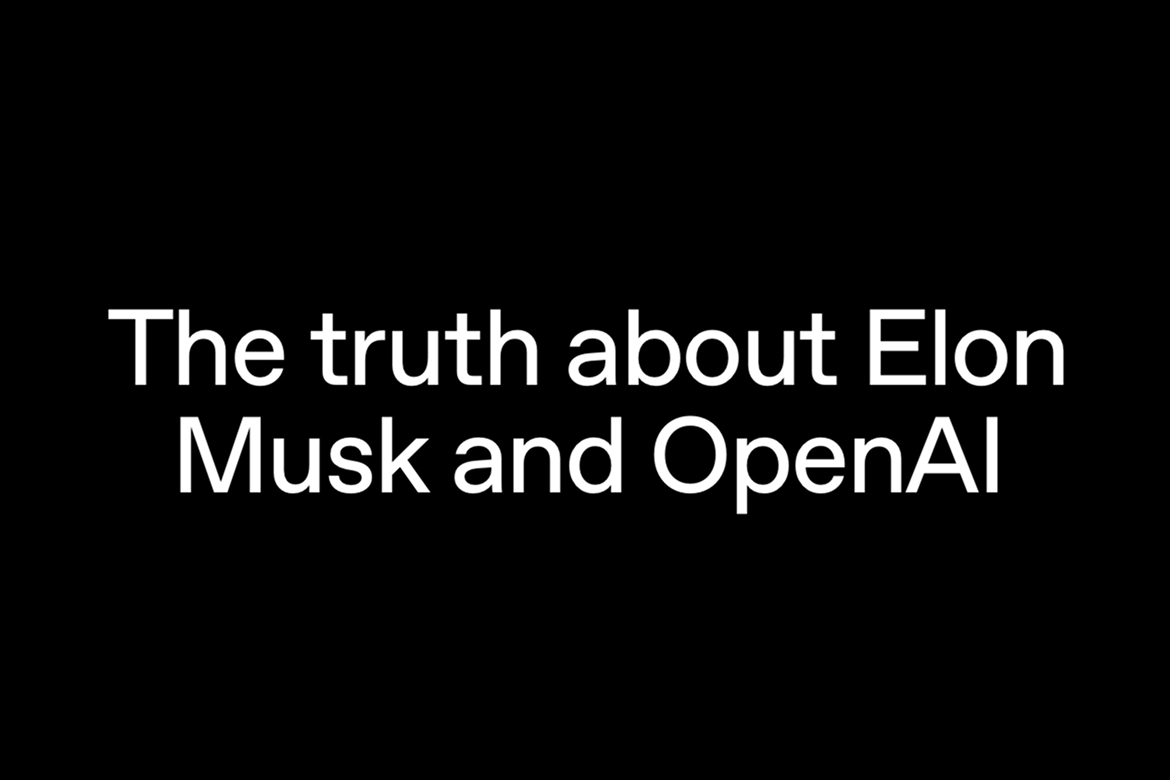
OpenAI released its version of events detailing its split with Elon Musk and the origins of their ongoing legal conflict. The company argues Musk sought control and later turned to lawsuits after leaving.
Tesla has registered its AI-powered voice assistant with Chinese regulators, marking progress in a tightly controlled market. The move comes as competition intensifies among EV makers in China.
OpenAI to include retail investors in IPO as demand surges, highlighting shift toward broader ownership and funding for massive AI infrastructure plans.
Intel has joined Elon Musk’s Terafab project aimed at scaling AI chip production, though its exact role remains unclear. The effort targets massive compute output for AI and robotics.
Elon Musk announced plans for Terafab, a dual chip factory project by Tesla and SpaceX to produce AI chips for vehicles, robots, and space-based data centers.