
Bridgewater Warns AI Could Displace 18% of U.S. Jobs
Bridgewater estimates AI could displace 18% of existing U.S. jobs over five years and proposes tax changes and citizen equity stakes to share the gains.
Explore AIstify's latest reporting, research, and expert analysis tagged with "ai labor impact", collected in one continuously updated archive.
Bridgewater estimates AI could displace 18% of existing U.S. jobs over five years and proposes tax changes and citizen equity stakes to share the gains.
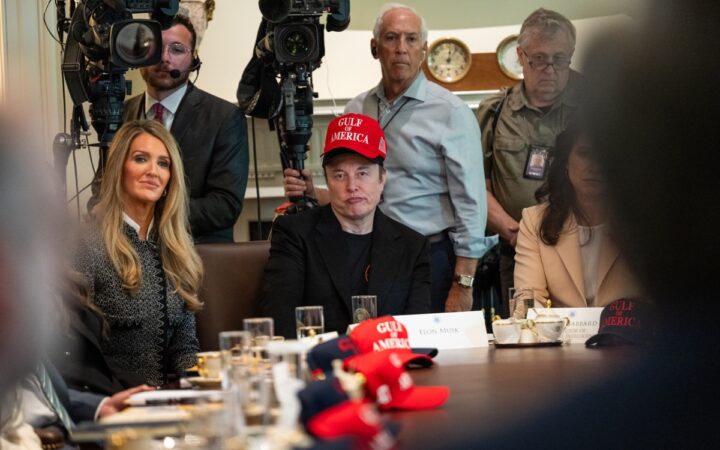
Elon Musk says superintelligent AI and robots could deliver universal high income and better healthcare, while questions remain over jobs and how the gains would be shared.
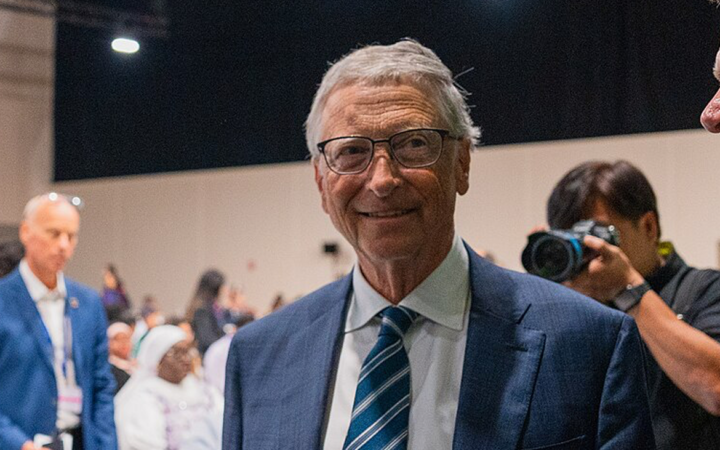
Bill Gates published a 6,000-word essay warning that the AI transition could be one of history’s most disruptive periods, urging new institutions and a plan before it’s too late.
Anthropic has launched the Anthropic Economic Index connector for Claude, allowing users to query real-world AI usage data directly through conversation. The connector is available now in claude.ai and works across all Claude models with no installation required.

Ethereum’s Vitalik Buterin argued the gravest AI risk is not rogue superintelligence but a few companies or governments seizing control of it, in a widely shared thread on AI’s future.

Economists warn AI’s biggest near-term danger may be fiscal: if it displaces high-earning workers, income-tax revenue could fall sharply while welfare costs rise, straining public budgets.

Twenty-six Meta workers sued the company, alleging its AI systems used metrics like token consumption to select layoff targets, disadvantaging people on medical or family leave.

Microsoft cut about 4,800 jobs, roughly 2.1% of its workforce, hitting Xbox and commercial sales hardest, the latest tech layoffs to intensify fears about AI and work.

Mark Zuckerberg told employees that Meta’s AI agents have progressed slower than expected and its restructuring was “not as clean” as planned, a rare admission amid huge AI spending.

A new study of 22,000 US firms found that the heaviest AI spenders grew headcount faster than peers, including entry-level roles, complicating fears of an AI jobs apocalypse.

Tech firms have cut close to 150,000 jobs in 2026 while citing AI, even as AI-driven IPOs mint vast new fortunes, sharpening questions about who benefits.

Anthropic committed $150 million to Claude Corps, a fellowship paying 1,000 early-career workers to spend a year embedding AI in US nonprofits.

Anthropic CEO Dario Amodei published an essay urging binding, FAA-style safety testing for frontier AI models, marking a shift from the company’s earlier focus on transparency.
OpenAI said its non-profit foundation will commit an initial $250 million toward research, grants, and programs aimed at helping workers and economies adapt to disruption caused by AI.

OpenAI CEO Sam Altman said AI has not caused the large-scale white-collar job losses he once expected, adding that human interaction still plays a critical role in many professions.