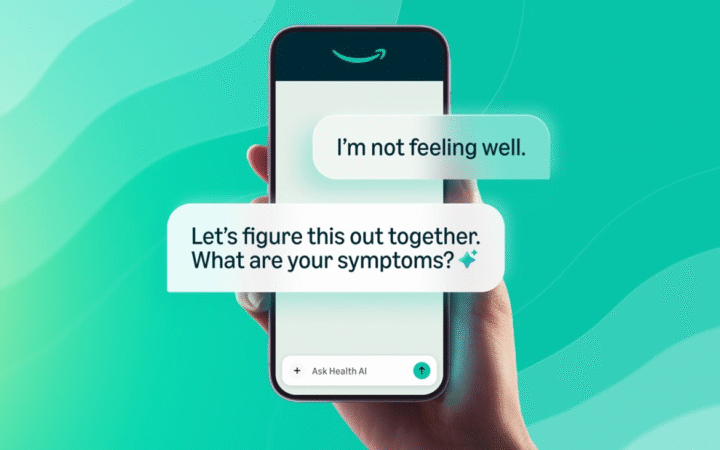
A new report from the Healthcare Leadership Council (HLC) and consulting firm ZS identifies barriers to AI adoption in healthcare and provides a roadmap of nine policy recommendations. While AI tools such as Anthropic’s Claude for healthcare and OpenAI’s ChatGPT Health are expanding capabilities for clinical research, patient care, and HIPAA-compliant workflows, adoption remains uneven due to regulatory complexity, infrastructure gaps, and workforce readiness.
The report, Unleashing AI’s Potential for Patients: A Cross-Sectoral Roadmap for Healthcare, draws on interviews with experts from 27 HLC member organizations. It highlights three main barriers: governance and regulatory complexity, data access and infrastructure challenges, and workforce capabilities and trust. Recommendations include establishing centralized legislation, improving data transparency and interoperability, and enhancing workforce training to build AI readiness.
The report also offers 25 actionable tactics to implement the recommendations, emphasizing collaboration between public and private sectors. State-level initiatives, such as Utah’s AI-enabled prescription renewal policies, illustrate uneven policy adoption and underscore the need for clear federal standards to ensure consistent, safe, and effective use of AI across the U.S. healthcare system.