Amazon is expanding its AI commerce ambitions beyond its own marketplace by licensing the technology behind Alexa for Shopping to outside retailers.
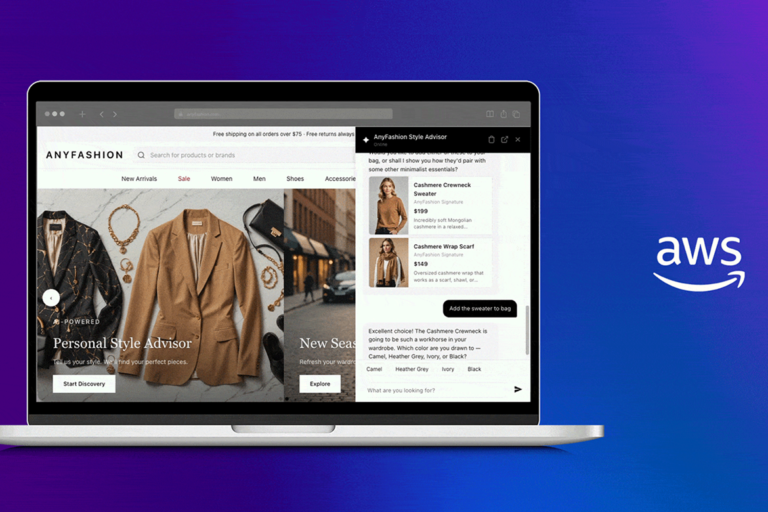
The company said Wednesday it is packaging the “architecture, starter code and learnings” from its internal AI shopping systems into a new retail service offered through Amazon Web Services.
The platform will allow retailers to launch customized AI shopping assistants tailored to their own storefronts, catalogs, and branding “in as little as 60 days,” Amazon said.
The move positions Amazon as a potential infrastructure provider for AI-powered shopping across the broader retail industry, similar to how AWS became foundational infrastructure for cloud computing.
Amazon Expands Its AI Commerce Strategy
Amazon has spent the past several years developing AI shopping tools internally.
Earlier this month, the company rebranded its shopping chatbot Rufus as Alexa for Shopping and enabled the assistant by default inside Amazon search experiences.
The system can:
- Compare products
- Recommend items
- Assist with purchases
- Reorder products
- Answer shopping questions
Amazon is now attempting to commercialize those capabilities for third-party retailers.
The company said retailers can adapt the AI tools to their own inventory, branding, and customer experiences rather than relying on generic AI assistants controlled by outside platforms.
Kate Spade Already Using the System
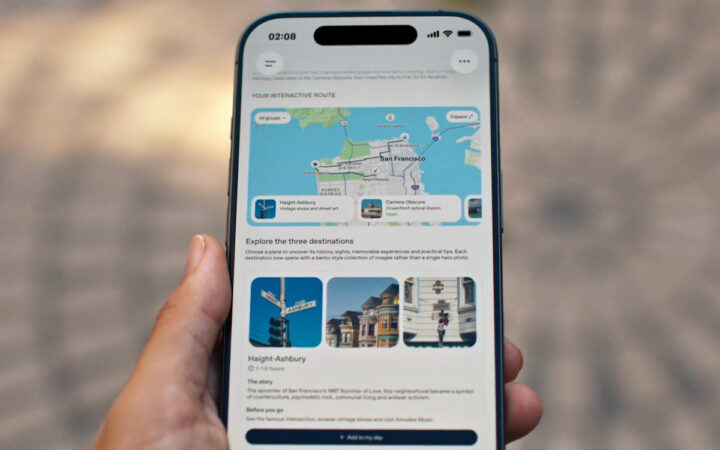
Amazon said the first public customer is Kate Spade, the luxury fashion brand owned by Tapestry. Kate Spade used the technology to launch an AI-powered gifting assistant designed to help shoppers discover products and recommendations.
Amazon said additional retailers are currently testing the service.
AI Shopping Has Become a Major Battleground
The launch comes as nearly every major AI company races to control shopping workflows online.
Companies including OpenAI, Google, and Perplexity AI have all introduced AI shopping assistants, research agents, or automated purchasing tools.
Meanwhile, retailers and marketplaces including, Walmart, Target, Etsy, Gap, eBay have pursued hybrid strategies that combine internal AI development with partnerships across the broader AI ecosystem.
Software providers such as Salesforce are also competing to help retailers deploy AI chatbots and shopping agents.
Amazon Wants Retailers to Keep Control
Unlike some competitors, Amazon has largely avoided integrating external AI agents directly into its marketplace.
The company has also restricted scraping of its site by outside AI systems while simultaneously developing its own autonomous shopping capabilities.
One example is Amazon’s “Buy for Me” feature, which can complete purchases on third-party retailer websites on behalf of users.
In its announcement, Amazon argued retailers should build their own AI shopping experiences rather than relying on outside intermediaries.
“Retailers already possess deep vertical knowledge about their products, customers, and categories that no general-purpose AI can match,” the company said.
The Bigger Goal: Owning the Infrastructure Layer
The strategy mirrors a familiar Amazon playbook: build internal systems at scale, then transform them into external services.
The company previously followed the same model with:
- Cloud infrastructure through AWS
- Warehousing and logistics systems
- Cashier-less retail technology
- Supply chain services
Now Amazon appears to be applying that model to AI commerce infrastructure.
If successful, the company could position itself not only as a retailer, but as the foundational technology provider powering AI shopping experiences across much of the internet.
Disclaimer: AIstify is an independent media brand owned and operated by NuvexMedia LLC, publishing news, research, and insights on artificial intelligence, emerging technologies, automation, and related industries. NuvexMedia LLC invests in and collaborates with companies across the AI, technology, software, and digital innovation sectors. These relationships do not influence AIstify’s editorial coverage, and the publication maintains full editorial independence to provide accurate, timely, and objective information. © 2026 NuvexMedia LLC. All rights reserved. This content is for informational purposes only and should not be considered legal, tax, investment, financial, or other professional advice.