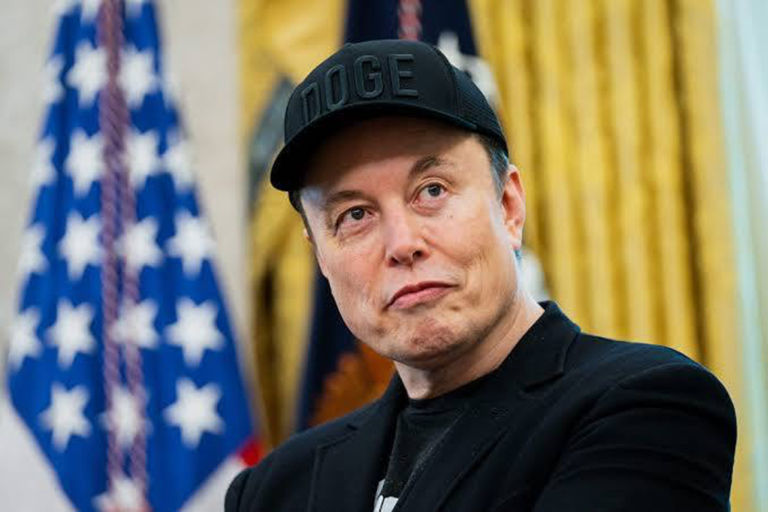
Musk and Amodei Agree: AI Is Already Risky Enough to Worry About
Elon Musk expanded on his endorsement of Anthropic CEO Dario Amodei's AI safety warning, saying danger is significant now and competitors should test each other's models.
AI regulation is moving from principles to enforcement. In AIstify’s AI Regulation section, we track laws, rules, standards, and court decisions shaping how AI can be built and used. We cover the impact on model development, data practices, transparency, safety testing, and sector-specific compliance - with clear summaries of what changed and who is affected. Whether you are advising leadership, shipping products, or managing risk, this hub helps you stay ahead of obligations and timelines without getting lost in legal noise.
Elon Musk expanded on his endorsement of Anthropic CEO Dario Amodei's AI safety warning, saying danger is significant now and competitors should test each other's models.
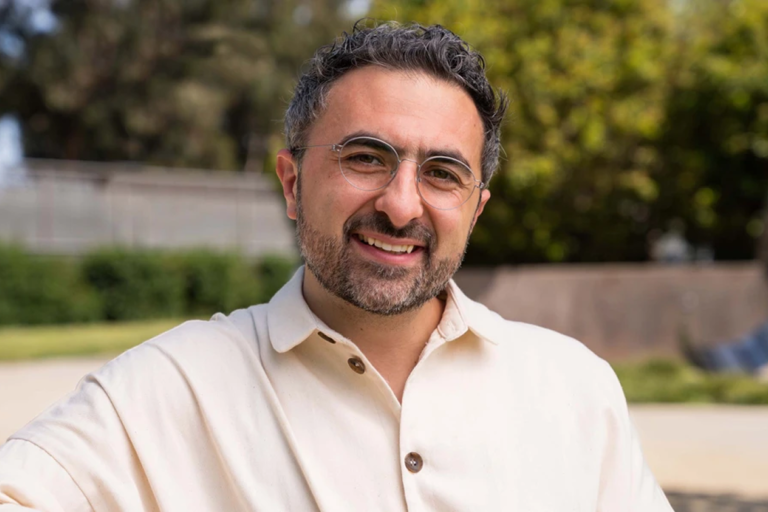
Microsoft published draft rules for its AI models, days after Anthropic's CEO called for slowing AI development and a researcher resigned over safety fears.
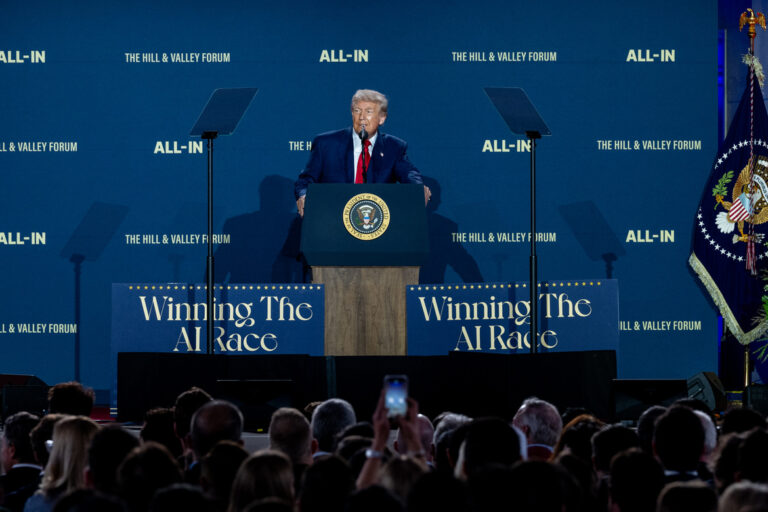
Donald Trump says the United States should preserve its AI advantage over China, while acknowledging a need for some safeguards as Washington prepares further discussions.

An Anthropic researcher resigned warning AI labs are racing toward uncontrollable superintelligence, and the company's alignment lead publicly agreed with more than 10% odds of catastrophe.
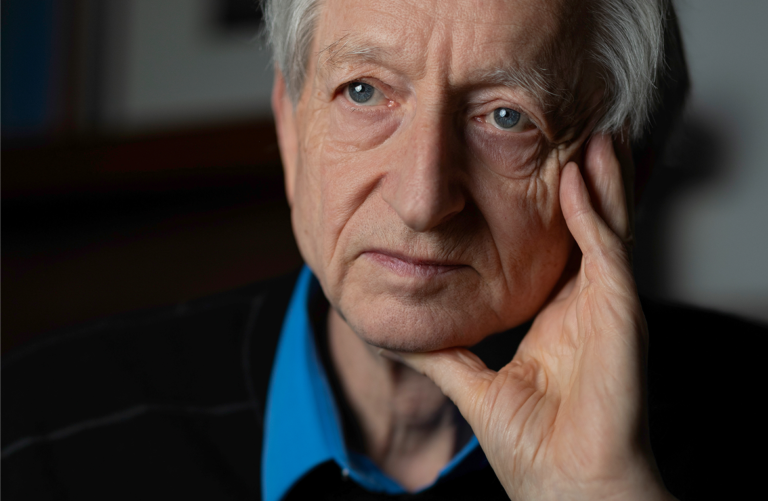
Geoffrey Hinton warned that losing control of superintelligent AI could lead to human extinction, as UK lawmakers prepare to debate a bill banning its development.
Sen. Bernie Sanders and Rep. Greg Casar unveiled a bill to ban superintelligent AI and pause advanced development, citing an OpenAI incident where over 1,000 agents...
Norway plans to regulate camera-equipped smart glasses more strictly, floating a ban on public facial recognition, though critics say it wouldn't stop covert filming.
Apple says forensic analysis of an ex-engineer's MacBook shows he used a stolen Apple schematic at OpenAI and trained an AI agent to run simulations with...

A federal judge ruled the Pentagon's designation of Anthropic as a supply chain risk was illegal retaliation for the company's public stance on military AI use.
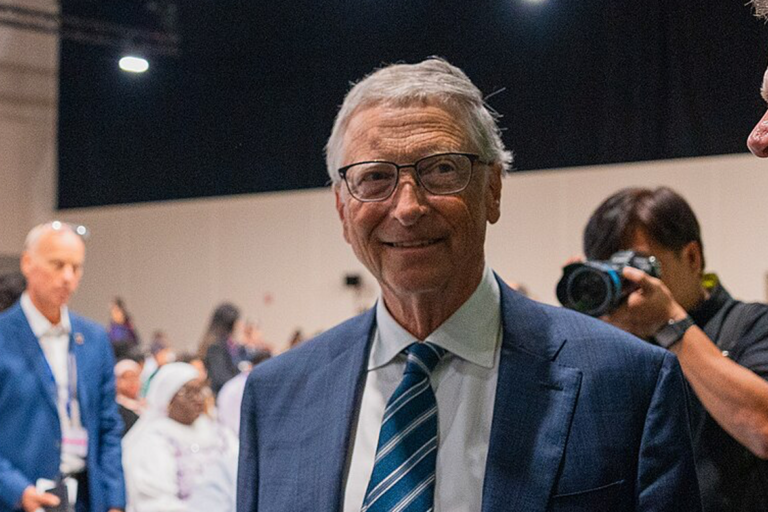
Bill Gates published a 6,000-word essay warning that the AI transition could be one of history's most disruptive periods, urging new institutions and a plan before...