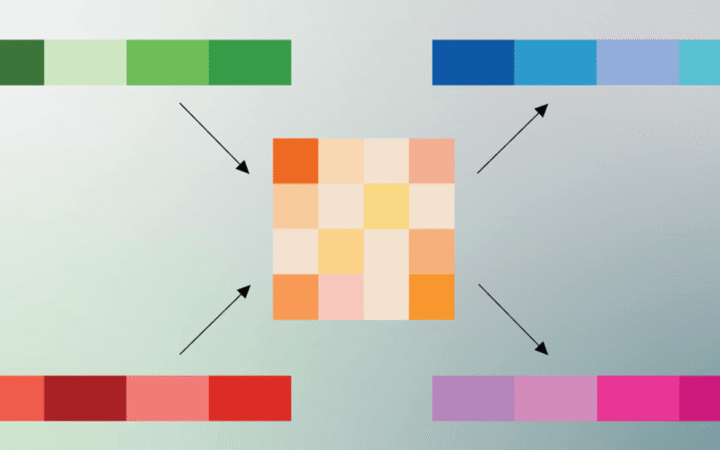
TurboQuant: Google’s New Way to Run AI Faster with Less Memory
Google has introduced TurboQuant, a new compression algorithm that reduces memory usage in AI systems while maintaining accuracy, improving performance in large models and search.
Google has introduced TurboQuant, a new compression algorithm that reduces memory usage in AI systems while maintaining accuracy, improving performance in large models and search.

New research shows that telling AI models they are “experts” can reduce accuracy in tasks like coding and math, while improving safety and alignment outcomes.
Conversational AI enables computers to communicate with people through natural language conversations. This guide explains how conversational AI works and where it is used.

Agentic AI refers to artificial intelligence systems that can plan actions, make decisions, and complete tasks with minimal human guidance. This guide explains how agentic AI works and why it matters.

AMI Labs, co-founded by Yann LeCun, raised $1.03 billion to develop “world model” AI systems that learn from real-world data rather than language alone.
Natural Language Processing allows computers to understand, analyze, and generate human language. This guide explains how NLP works and where it is used in modern technology.

Autonomous AI agents are systems that can plan tasks, make decisions, and act with minimal human supervision. This guide explains how autonomous AI agents work and where they are used.

AI agents are systems that can perceive information, make decisions, and perform tasks automatically. This guide explains what AI agents are, how they work, and where they are used.

Deep learning systems power many modern AI technologies, from image recognition to chatbots. This guide explains how deep learning works and why it is important for artificial intelligence.

Large Language Models, or LLMs, power many modern AI tools such as chatbots and writing assistants. This guide explains how they work, how they are trained, and where they are used.

A type of AI trained on massive text datasets to understand and generate human-like language. LLMs power chatbots, translation tools, and writing assistants, transforming communication and productivity.

April 7th, 2026

April 7th, 2026
April 3rd, 2026

April 3rd, 2026

April 2nd, 2026