
OpenAI Chief Executive Officer Sam Altman said Sunday that the creator of OpenClaw, a fast-growing autonomous AI agent, is joining the company. Altman said the service will continue to operate under a foundation as an open source project, with ongoing support from OpenAI.
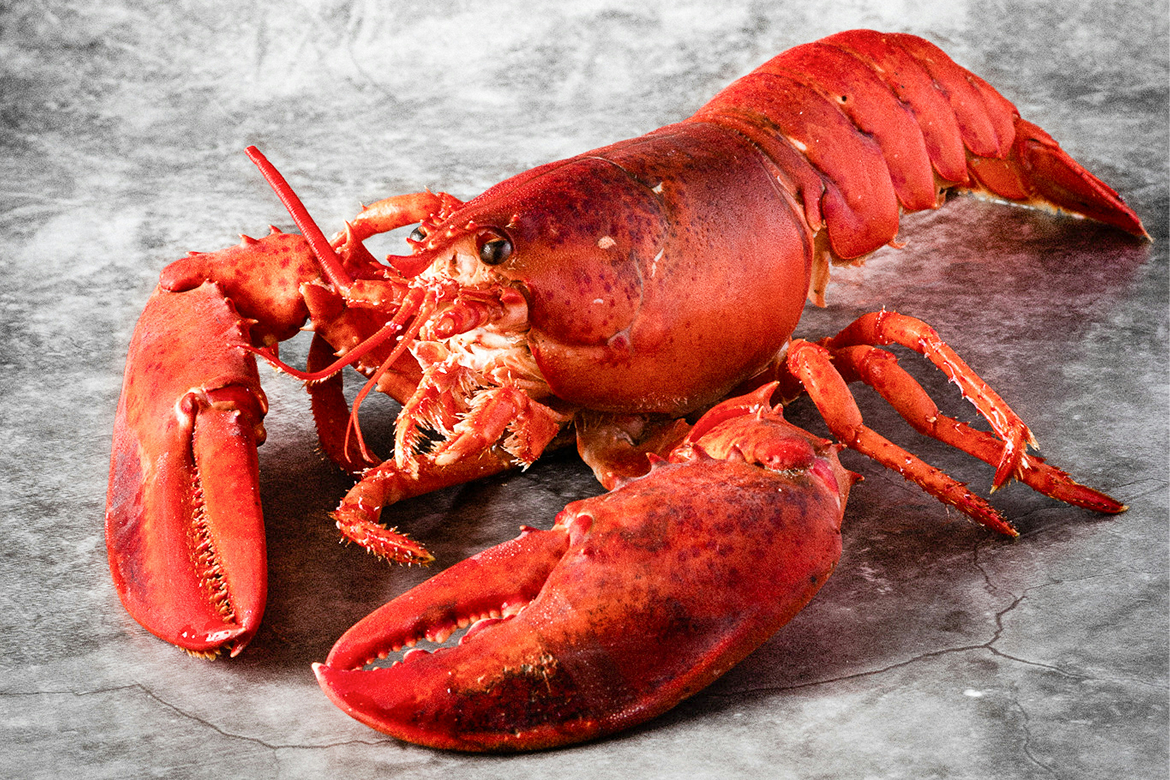
OpenClaw was launched last month by Austrian software developer Peter Steinberger. Previously known as Clawdbot and Moltbot, the agent has gained rapid traction following widespread attention on social media. Interest has been driven by growing demand for AI systems that can independently complete tasks, make decisions, and take action with limited human supervision.
In a post on X, Altman said Steinberger would help “drive the next generation of personal agents,” adding that OpenClaw’s underlying ideas are expected to become central to OpenAI’s future product offerings.
Peter Steinberger is joining OpenAI to drive the next generation of personal agents. He is a genius with a lot of amazing ideas about the future of very smart agents interacting with each other to do very useful things for people. We expect this will quickly become core to our…
— Sam Altman (@sama) February 15, 2026
Talent Competition Intensifies Across AI Sector
Financial terms of the move were not disclosed. OpenAI and its rivals have increasingly used acquisitions and high-profile hires to secure top talent as competition in generative AI intensifies. In May, OpenAI acquired iPhone designer Jony Ive’s AI hardware startup io for more than $6 billion.
Other major technology companies have also increased spending on AI talent. Meta and Google have committed billions of dollars to recruit AI researchers and engineers amid rising demand for advanced models and agent-based systems.
OpenAI was most recently valued at about $500 billion and is seeking further growth as competition increases from companies developing enterprise-focused AI tools. Rivals include Anthropic, whose Claude models are gaining adoption for business tasks such as coding and workflow automation. Anthropic was valued at roughly $380 billion in a fundraising round that closed last week.
OpenClaw’s appeal has extended beyond the United States. The agent has spread quickly in China, where it can be paired with domestic language models such as DeepSeek and configured to work with Chinese messaging platforms. Baidu plans to offer direct access to OpenClaw through its main smartphone app, a company spokesperson said.
Some researchers have raised concerns about OpenClaw’s open source design, citing potential cybersecurity risks stemming from the ability of users to modify the system with few restrictions. The debate highlights growing tensions between openness, innovation, and safety as autonomous AI tools become more widely deployed.