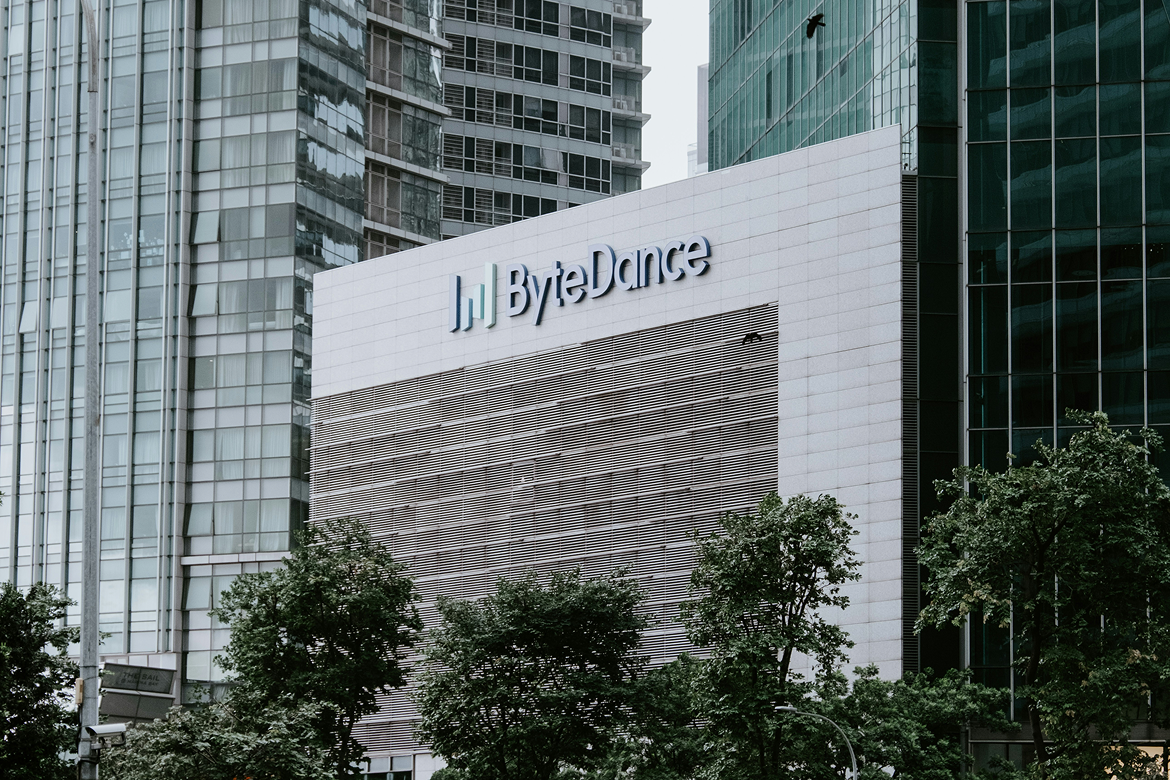

ByteDance said it will strengthen safeguards on its new artificial intelligence video-generation tool, Seedance 2.0, following complaints from major entertainment companies over alleged copyright infringement.
Seedance 2.0 allows users to generate realistic videos using text prompts. However, videos circulating on social media appear to depict copyrighted characters and celebrity likenesses, prompting concerns about intellectual property protections, particularly in the United States.
“ByteDance respects intellectual property rights and we have heard the concerns regarding Seedance 2.0,” a company spokesperson said in a statement. The spokesperson added that the company is taking steps to reinforce safeguards to prevent unauthorized use of intellectual property and likenesses by users.
The response follows mounting backlash from Hollywood trade groups and studios. The Motion Picture Association issued a public statement late last week accusing ByteDance of engaging in large-scale infringement. The group represents major studios including Netflix, Paramount Skydance, Sony, Universal, Warner Bros. Discovery, and Disney.
“In a single day, the Chinese AI service Seedance 2.0 has engaged in unauthorized use of U.S. copyrighted works on a massive scale,” said MPA Chairman and Chief Executive Officer Charles Rivkin. He said the lack of safeguards undermines copyright law and threatens jobs supported by the U.S. entertainment industry.
Legal Pressure From Major Studios
According to a report by Axios, Disney sent a cease-and-desist letter to ByteDance on Friday, accusing the company of distributing and reproducing its intellectual property without authorization. The letter alleged that Seedance 2.0 effectively packaged copyrighted characters in a way that made them appear to be public-domain assets.
Disney has previously taken similar actions against AI companies. In September, it warned AI startup Character.AI to halt the unauthorized use of its characters. At the same time, Disney has pursued licensed AI partnerships, including an investment and licensing agreement with OpenAI that allows the use of characters from Star Wars, Pixar, and Marvel in OpenAI’s Sora video generator.
Paramount Skydance has also sent a cease-and-desist letter to ByteDance, raising similar allegations, according to Variety.
The dispute comes as ByteDance expands its investments across the AI stack. The company is developing an in-house AI inference chip and is in talks with Samsung for manufacturing and memory supply, a move aimed at reducing reliance on foreign chip providers as U.S. export controls tighten. The parallel push into AI infrastructure and consumer-facing tools underscores the growing regulatory, legal, and technical pressures facing Chinese AI developers as they scale globally.