

Accenture has announced an expanded collaboration with Stellantis and Nvidia focused on deploying AI-powered digital twins across the automaker’s manufacturing operations.
The partnership will combine Accenture’s AI and industrial transformation expertise with Nvidia’s simulation and accelerated computing technologies to help Stellantis modernize factory operations through real-time virtual production systems. Initial deployments are planned for selected plants in North America beginning in 2026.
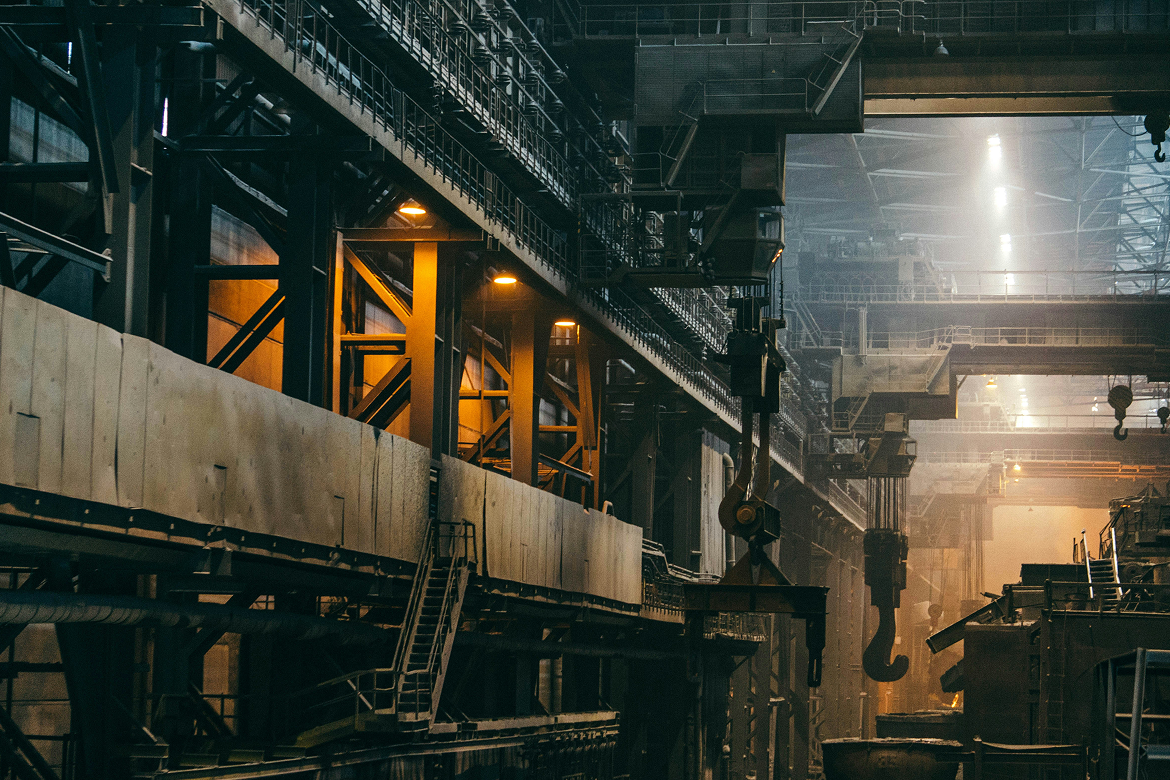
At the center of the initiative are digital twins, high-fidelity virtual replicas of manufacturing facilities that continuously mirror real-world factory operations using live production data. Accenture said the technology will allow Stellantis to simulate production changes before physical deployment, optimize workflows in real time, improve quality monitoring, and reduce operational risk through predictive maintenance systems.
The consulting firm described the project as part of a broader shift toward intelligent manufacturing environments where AI models, simulations, and factory operations work together continuously. The companies are also exploring closed-loop optimization systems in which digital and physical manufacturing environments constantly exchange operational data to improve efficiency and throughput.
Accenture said agentic orchestration systems will play a role in dynamically coordinating production workflows, maintenance scheduling, and operational adjustments inside manufacturing facilities. Nvidia’s technologies will provide the computing infrastructure and physical AI capabilities supporting those simulations and automation systems.
For Stellantis, the initiative is part of its broader strategy to build more adaptive and software-defined manufacturing systems across its global production network. The company expects digital simulations to help shorten industrialization cycles, reduce deployment risks, and improve flexibility in responding to changing supply chain and production conditions.
The collaboration also reflects Accenture’s growing focus on large-scale enterprise AI deployments tied to industrial operations rather than standalone software tools. The company has increasingly positioned itself as a partner for integrating AI systems into manufacturing, logistics, supply chains, and operational infrastructure across heavily industrialized sectors.
Nvidia, meanwhile, continues expanding its presence in industrial AI and simulation markets beyond traditional AI model training infrastructure. Its computing platforms are increasingly being used for robotics, factory automation, digital twin systems, and autonomous industrial environments.
The announcement highlights how automotive manufacturers are accelerating investments in AI-powered production systems as they seek greater efficiency, resilience, and automation across global factory networks. Digital twins and real-time simulations are emerging as a core technology layer in that transition because they allow manufacturers to test operational changes virtually before applying them in live production environments.
Accenture said the initiative will continue evolving as the companies evaluate scalability and performance improvements across Stellantis’ manufacturing footprint, with the long-term goal of building more predictive, autonomous, and data-driven industrial operations.