
Google Builds Computer Use Into Gemini 3.5 Flash as a Native Tool
Gemini 3.5 Flash computer use folds screen control into one cheap model with prompt-injection safeguards, though it is a preview and the benchmark is self-reported.
Browse a structured index of AI coverage organized by themes shaping the technology’s evolution and impact. Topics range from model development and infrastructure to enterprise adoption, regulation, capital flows, and geopolitical competition. Each category aggregates ongoing reporting and analysis within a defined domain, enabling readers to track how artificial intelligence advances across technical, commercial, and policy dimensions. This section functions as the navigational layer of AIstify, organizing coverage into clear subject areas that connect news, industry developments, and long-form analysis.
Gemini 3.5 Flash computer use folds screen control into one cheap model with prompt-injection safeguards, though it is a preview and the benchmark is self-reported.
Gemini 3.5 Flash computer use folds screen control into one cheap model with prompt-injection safeguards, though it is a preview and the benchmark is self-reported.

Anthropic co-founder Chris Olah told the Vatican that AI development cannot be left solely to technology companies, warning about commercial incentives, labor disruption, and the growing complexity of frontier AI systems.
An enterprise company reportedly spent $500 million on Anthropic’s Claude in a single month after failing to implement usage controls.

A growing trend in China allows users to create AI replicas of former partners using personal data. The practice is raising concerns about privacy, emotional dependency, and relationships.
GPT-5.6 Sol brings stronger coding and cyber capabilities with OpenAI's most robust safeguards, but a government-approved rollout echoes the Anthropic model ban.
GPT-5.6 Sol brings stronger coding and cyber capabilities with OpenAI's most robust safeguards, but a government-approved rollout echoes the Anthropic model ban.

Web3 gaming unicorn Immutable cut 29 roles and gutted its in-house game studios to focus on Audience, an AI marketing platform for the broader games industry.

Anthropic has reportedly committed to spending $200 billion on Google Cloud services over five years, underscoring the massive infrastructure demands of advanced AI development.

Anthropic reveals industrial-scale campaigns by DeepSeek, Moonshot, and MiniMax to extract Claude’s capabilities via fraudulent accounts, highlighting national security and AI safety risks.

AI startup Recursive Superintelligence has raised $500 million from Nvidia and GV to pursue self-improving AI systems, despite having no public product.
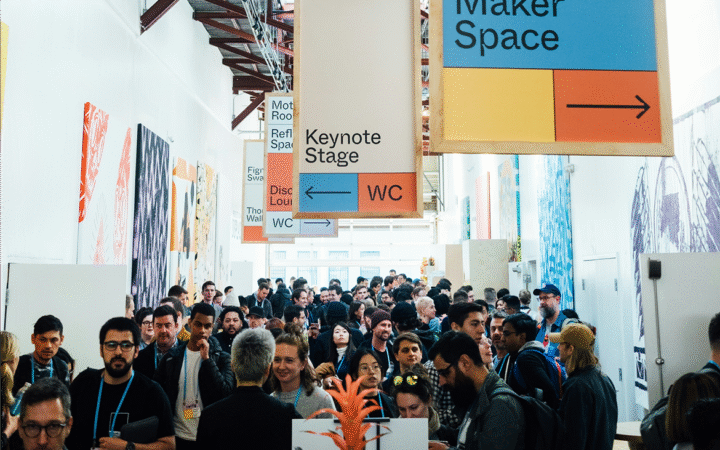
India’s AI Impact Summit in New Delhi delivered more than $250 billion in investment commitments, spanning data centers, AI infrastructure, and global expansion plans.