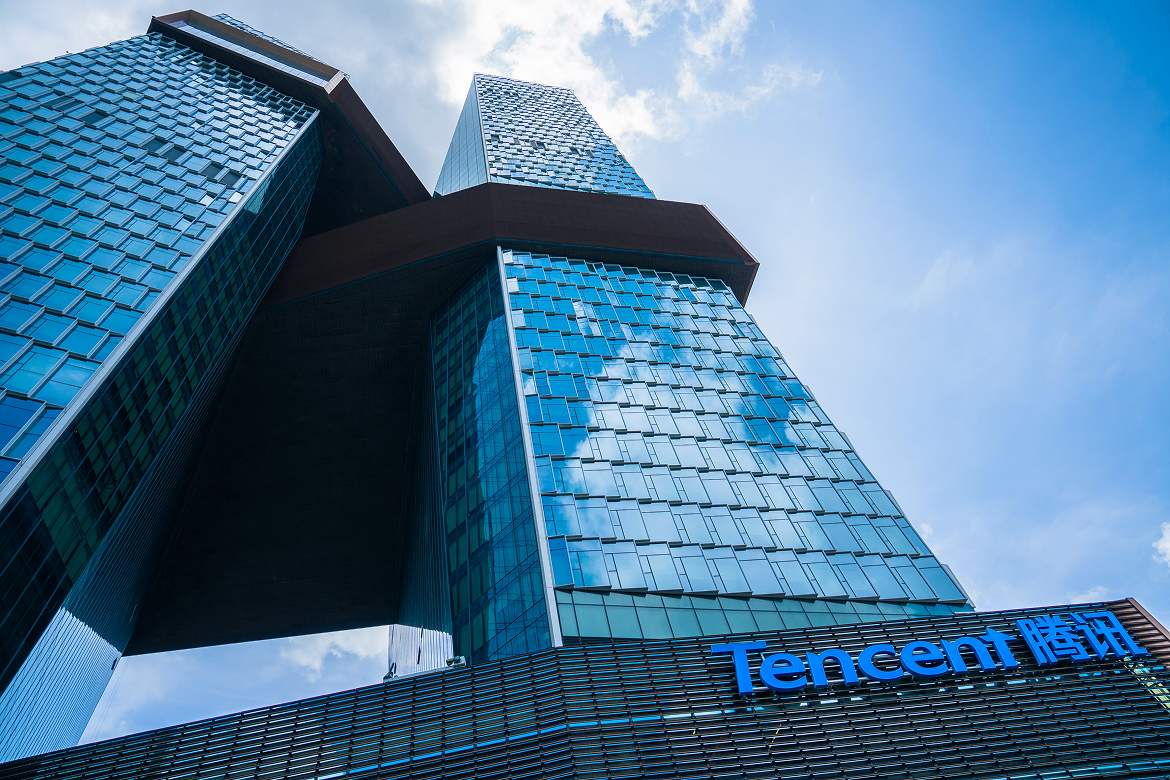

Tencent is in talks to become the largest shareholder of the AI agent startup Manus, as its former investors race to unwind Meta’s $2 billion acquisition after Beijing ordered the deal reversed, the Financial Times reported.
Most of Manus’s original backers, including Tencent, ZhenFund and HSG, formerly Sequoia Capital China, along with the company’s management, are discussing a transaction that would undo Meta’s purchase at the same $2 billion valuation. Tencent is expected to buy the biggest stake but remain a minority shareholder, keeping Manus operating independently from Singapore rather than folding it into Tencent. Some earlier US backers, such as Benchmark, are unlikely to participate and have already received their proceeds.
The unwinding is one of the most striking examples yet of geopolitics reshaping AI dealmaking. China ordered Meta to reverse the acquisition in April, with regulators citing breaches of foreign-investment rules, and officials reportedly described the transaction as a “conspiratorial” attempt to hollow out China’s technology base.
Meta had announced the deal in December 2025, months after Manus moved its headquarters and core engineers to Singapore from China, where it was founded. Meta quickly integrated Manus, including into its advertising systems, but has since separated the operations and halted data sharing, though a formal financial unwinding, in which the $2 billion must actually be repaid, has yet to take place. Manus founders, including Xiao Hong, have reportedly been barred from leaving China after being summoned to Beijing.
The ownership structure is deliberately calibrated. Tencent would hold the largest single stake while staying a minority holder, a design meant to return Manus to predominantly Chinese ownership and keep key decisions onshore without handing full control to one company. Investors backing the buyback are betting Manus can keep growing independently and eventually list in Hong Kong, a venue Beijing increasingly favors for its AI champions over US markets.
Manus reached annual recurring revenue of nearly $500 million earlier this year, up sharply from the time of the Meta deal, though one person cautioned that sustaining that growth outside Meta’s ecosystem is uncertain.
China Treats AI as a Sovereign Asset
The reversal signals that Beijing now regards frontier AI companies and talent as strategic property that cannot simply be sold abroad. Legal analysts described the order as the first publicly confirmed use of China’s foreign-investment security-review mechanism to block and unwind a completed cross-border AI acquisition. It also sends a pointed warning to other Chinese startups against using Singapore or other offshore bases as a staging post for eventual sales to US buyers, closing what had looked like an escape route.
The White House objected, saying it would defend American technology interests against undue foreign interference, but the objection did not change the outcome. Frontier AI is increasingly being treated less like an ordinary startup category and more like a national resource.
The Chilling Effect on Cross-Border Deals
For global dealmakers, the lesson is that a signed, closed acquisition can still be torn up. That raises the risk premium on any China-linked AI transaction, since buyers must now weigh scenarios of outright blocks, forced restructurings or a local “white knight” stepping in. The likely result is fewer clean foreign takeovers of strategically sensitive Chinese AI firms and more minority stakes wrapped in governance constraints, exactly the shape of the Manus deal.
For Tencent, the outcome is favorable: it reclaims a company it already knew as an early investor, at a pre-premium valuation and with Beijing’s blessing, while advancing its own push into AI agents, including an agent it is testing inside WeChat. For Meta, it is a rare and costly retreat, a reminder that in the AI era, some assets cannot be bought at any price.