
OpenAI is formally expanding into robotics with the launch of OpenAI Robotics, a new division focused on developing humanoid robots capable of operating in the physical world. CEO Sam Altman announced the initiative over the weekend, describing a long-term vision in which robots assist both skilled workers and everyday consumers.<
OpenAI Robotics is hiring, looking for exceptional full-stack hardware, ops, systems, and ML engineers to help us program and manufacture robots that are useful for society.
AI should be able to help people in the physical world. In the short term, we are focused on robots to…
— Sam Altman (@sama) May 31, 2026
According to Altman, OpenAI Robotics is recruiting engineers across hardware, operations, systems, and machine learning disciplines to build robots that are “useful for society.” The company’s immediate focus is on developing robots that can help construct critical infrastructure such as data centers, power grids, factories, and other facilities needed to support growing AI demand.
The initiative builds on OpenAI’s existing robotics research efforts. The company’s world simulation research program, led by Aditya Ramesh, has evolved into the new robotics division, which combines advances in artificial intelligence with hardware development. OpenAI said progress has been driven by a co-design approach that integrates robotics hardware and machine learning research from the outset.
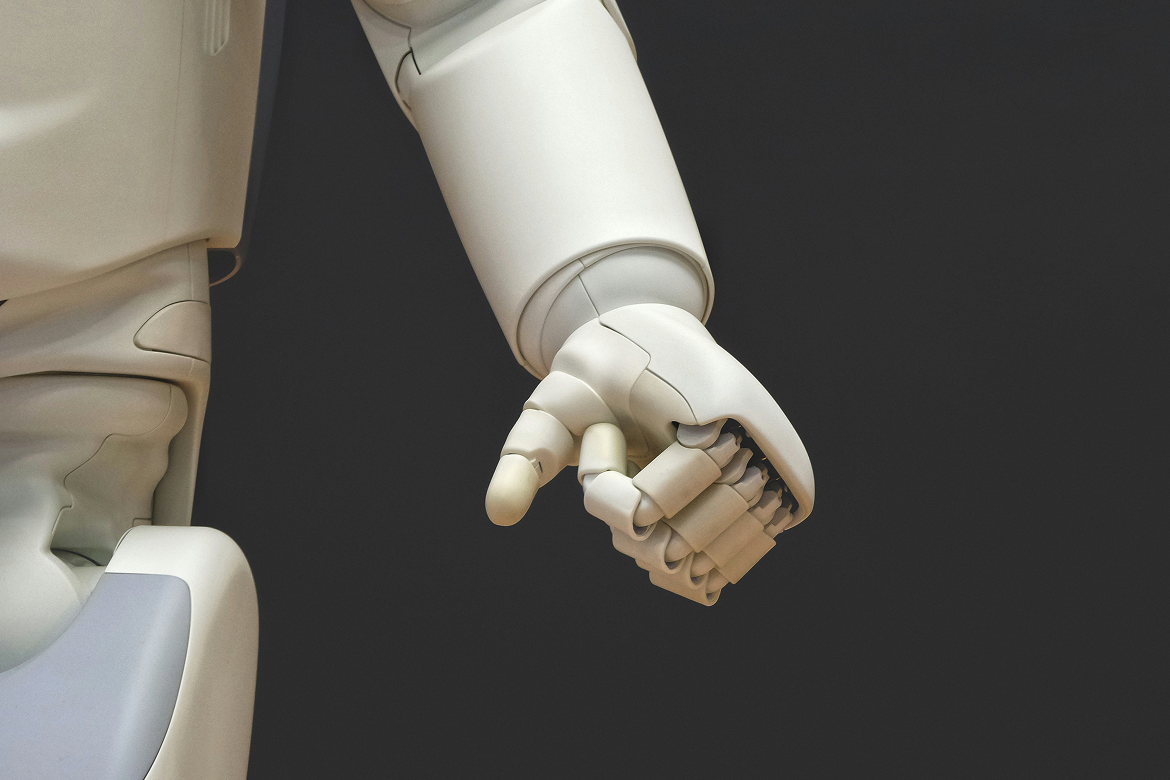
The move marks OpenAI’s most significant push into physical AI systems since it disbanded its original robotics team in 2021. That earlier group gained attention through projects such as Dactyl, a robotic hand capable of manipulating objects and solving a Rubik’s Cube. Since then, OpenAI has maintained exposure to robotics through investments, including backing 1X Technologies and participating in funding rounds for Figure AI.
Altman said the long-term goal is far broader than industrial automation. While the company’s near-term focus is infrastructure development, he ultimately envisions personal robots that can assist individuals with a wide range of daily activities.
The announcement also places OpenAI in more direct competition with Tesla, whose Optimus humanoid robot program is one of the most visible robotics efforts in the technology industry. Tesla is currently preparing to scale Optimus production and has positioned the project as a major future growth driver.
From Software to Physical AI
The company appears to be targeting infrastructure development as an early use case because demand for construction, manufacturing, and maintenance is expected to increase alongside the expansion of AI computing capacity. Building new data centers, energy facilities, and industrial infrastructure requires large workforces and specialized expertise, creating a potential opportunity for robotic assistance.
By combining frontier AI models with robotics hardware, OpenAI is pursuing a strategy similar to efforts underway across the broader industry, where companies increasingly view robotics as a natural extension of artificial intelligence.
A Growing Rivalry Beyond AI Models
The launch adds another dimension to the competition between OpenAI and Elon Musk, who has repeatedly promoted Tesla’s Optimus robot as a key pillar of the company’s future value. OpenAI’s entry introduces a well-funded AI-first competitor into a market that many analysts expect to become one of the next major technology battlegrounds.
The announcement follows OpenAI’s broader expansion beyond traditional AI software products. Just recently, the company launched the Rosalind Biodefense initiative to support public health and biological threat preparedness, while the OpenAI Foundation committed an initial $250 million toward research, grants, and programs aimed at helping workers and economies adapt to AI-driven disruption.
At the same time, OpenAI is reportedly preparing a confidential IPO filing that could become one of the largest public offerings in history, highlighting the scale of its ambitions as it expands into new markets. The robotics effort extends that strategy into the physical world, where AI systems could eventually perform tasks ranging from infrastructure construction to personal assistance.
While commercial deployment timelines remain unclear, OpenAI’s renewed investment in robotics signals that the company sees embodied AI as an important part of its long-term roadmap. As advances in AI reasoning continue to accelerate, competition is increasingly shifting from digital assistants to machines capable of acting in the real world.