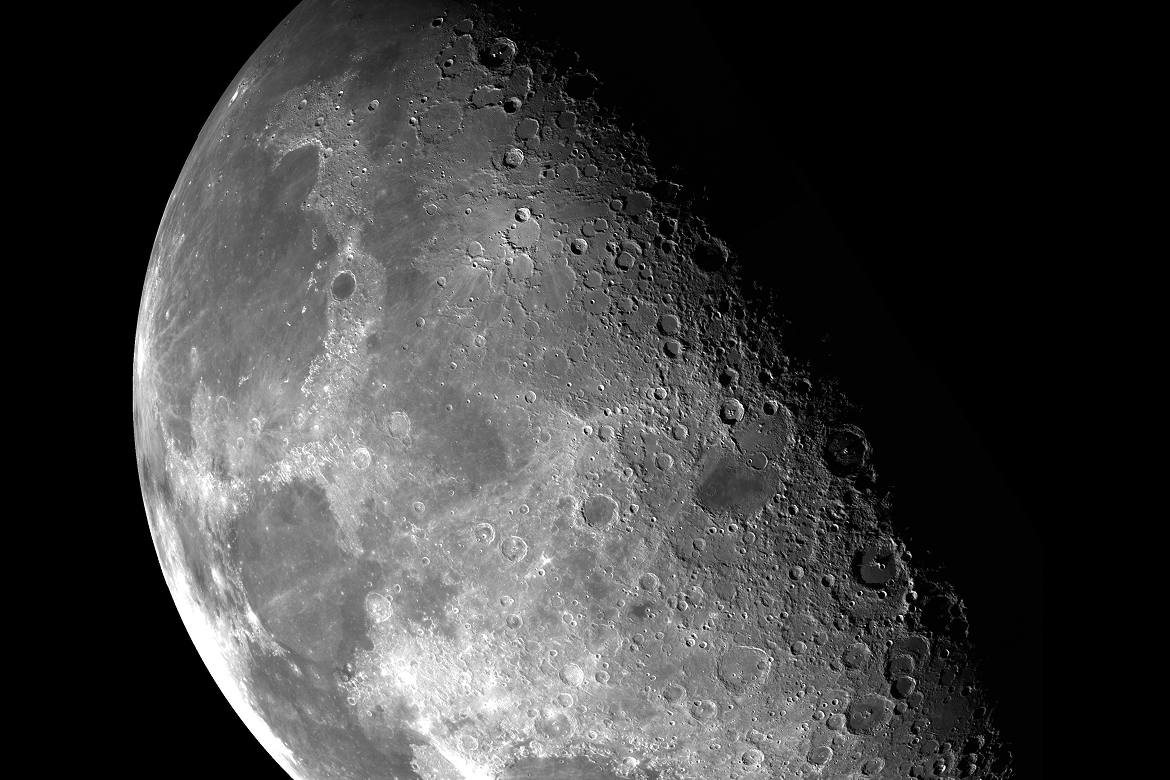

Elon Musk outlined an expansive vision for xAI during a company-wide meeting Tuesday night, telling employees the artificial intelligence company may ultimately need a manufacturing facility on the moon. According to reporting by The New York Times, Musk said a lunar factory could build AI-related satellites and launch them into orbit using a large catapult-like system, enabling xAI to access computing power at a scale unmatched by competitors.
The comments came as xAI faces growing internal turnover. This week, co-founders Tony Wu and Jimmy Ba announced they were leaving the company, according to TechCrunch. Their departures bring the total number of founding members who have exited xAI to six out of twelve. Three founders, including Igor Babushkin, left last year, underscoring a steady erosion of the company’s original leadership team.
The timing is notable. Just one week ago, SpaceX acquired xAI, further tightening Musk’s control over the company and integrating it more closely with his aerospace business. A public offering linked to the combined SpaceX-xAI structure is expected as early as this summer, making the recent wave of exits particularly conspicuous.
A Company in Flux
During the all-hands meeting, Musk acknowledged that xAI is undergoing rapid change. He told employees that companies moving faster than competitors inevitably shed people who are better suited to earlier stages. While he emphasized speed and ambition as competitive advantages, he offered few concrete details on how a moon-based factory would be built, financed, or regulated.
The lunar concept reflects a broader shift in Musk’s space priorities. Over the weekend, he said SpaceX had redirected its long-term focus from Mars to the moon, arguing that a self-sustaining lunar presence could be achieved in roughly half the time required for a Martian colony. SpaceX has yet to complete a crewed lunar mission, making the proposal a sharp departure from its historical roadmap.
AI, Space, and Control of Data
Some investors and industry observers see Musk’s moon ambitions as inseparable from xAI’s core strategy. The idea is to build AI systems trained on proprietary, real-world data that competitors cannot replicate. Tesla contributes transportation and energy data, Neuralink provides neurological insights, and SpaceX adds aerospace and orbital mechanics. A lunar manufacturing facility would extend that ecosystem into physical AI infrastructure beyond Earth.
Still, the legal footing remains uncertain. The 1967 Outer Space Treaty prohibits national sovereignty over the moon, though a 2015 U.S. law allows companies to own resources they extract. That interpretation is contested internationally, with major spacefaring nations such as China and Russia taking different views.
Uncertainty Ahead of IPO
For now, xAI’s ambitions appear to be expanding even as its founding team shrinks. With half of its co-founders gone, a recent acquisition by SpaceX, and a possible IPO on the horizon, the company is entering a pivotal phase. Musk’s lunar vision underscores the scale of his aspirations, but also highlights unresolved questions about execution, governance, and whether xAI can maintain stability as it pushes toward ever more extreme ideas of scale.