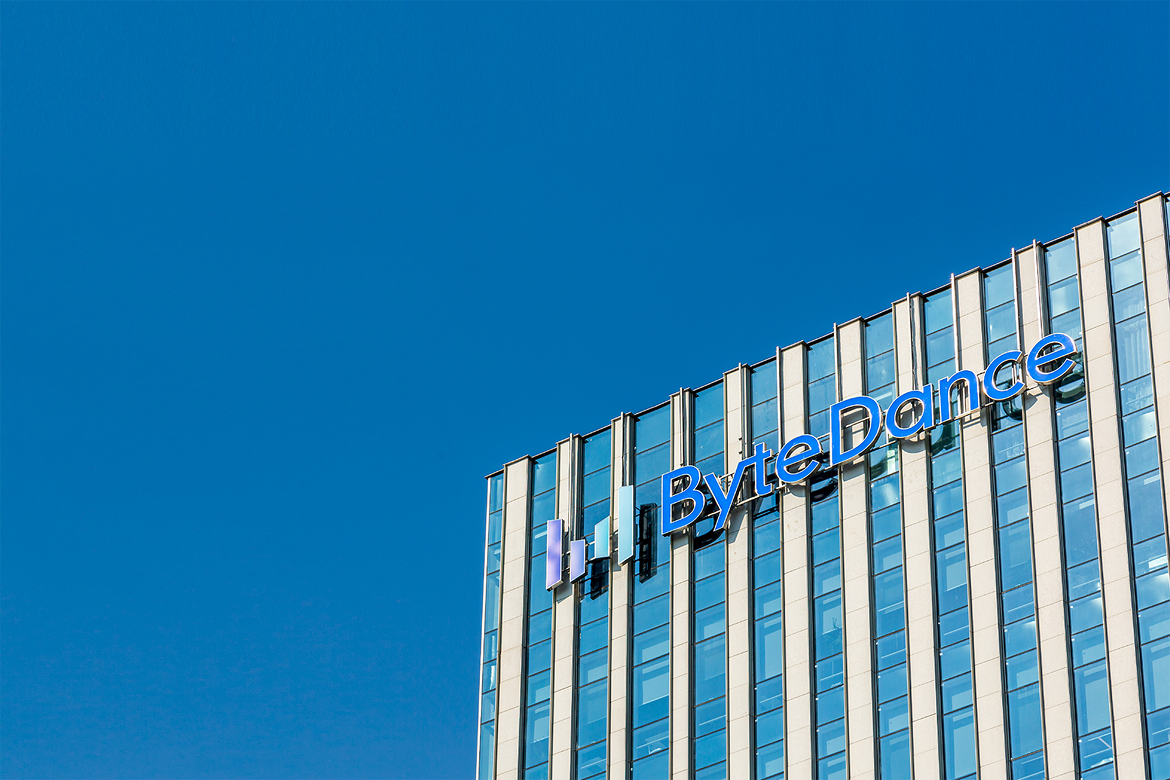


ByteDance is developing its own central processing units to support expanding AI infrastructure operations as rising chip costs and prolonged supply shortages pressure the company’s growth plans, according to people familiar with the matter.
The TikTok parent company is designing proprietary CPUs for deployment across its internal servers and data centers, where they are expected to support a growing portfolio of AI products, including its Coze agent platform. Sources said the Beijing-based company has approached external partners to assist with chip design and help secure manufacturing capacity from semiconductor foundries.
The project remains at an early stage, but ByteDance is reportedly pursuing two parallel architectural approaches. One design is based on Arm technology, while the second relies on the open-source RISC-V instruction set architecture. Running multiple architecture tracks simultaneously is common among large technology companies evaluating long-term infrastructure strategies before committing to expensive production cycles.
The move reflects increasing pressure on companies operating large-scale AI infrastructure. While Nvidia’s GPUs have dominated AI training workloads, demand has rapidly shifted toward inference – the process of deploying AI models in production to handle real-world tasks. Inference systems place greater importance on CPUs working alongside GPUs, creating supply constraints across the server processor market.
ByteDance currently relies on Intel and AMD processors for its infrastructure, but sources said both companies have raised prices significantly in recent months, with some server CPU products increasing by as much as 35% quarter over quarter. Intel previously warned Chinese customers about server CPU lead times extending up to six months due to strong demand from AI firms.
The company joins a growing group of hyperscalers developing custom chips to reduce infrastructure costs and optimize hardware for specific AI workloads. Google, Amazon, and Microsoft have all invested heavily in proprietary processors for cloud and AI services.
Why It Counts
ByteDance’s CPU effort highlights how competition in AI is increasingly shifting from models and applications to the underlying infrastructure powering them. As AI agents and inference workloads scale, companies face mounting pressure from rising hardware costs and limited supply of critical processors.
Custom silicon development also gives large technology companies greater control over performance optimization, energy efficiency, and long-term operating costs. That strategy has become more attractive as demand for AI infrastructure continues to outpace semiconductor production capacity.
The move could further intensify competition in the AI chip market, where Nvidia has historically dominated GPU acceleration while Intel and AMD controlled much of the CPU ecosystem. Nvidia itself has recently expanded deeper into CPUs, positioning its Vera processor family as part of a broader push into AI server infrastructure.
Competitive Landscape
The AI infrastructure market has become one of the fastest-growing segments in the technology industry, driven by surging enterprise demand for generative AI systems and autonomous agents. That growth has created supply bottlenecks across GPUs, networking hardware, memory, and increasingly CPUs.
RISC-V has also gained momentum among Chinese technology firms seeking alternatives to Western chip architectures amid ongoing geopolitical tensions and export restrictions. At the same time, Arm-based server chips continue gaining adoption because of their power efficiency and scalability in cloud environments.
ByteDance has already invested heavily in AI infrastructure and consumer AI applications, including chatbot platforms and AI-generated content tools. Its push into proprietary silicon signals the company expects long-term demand for AI computing capacity to continue accelerating.