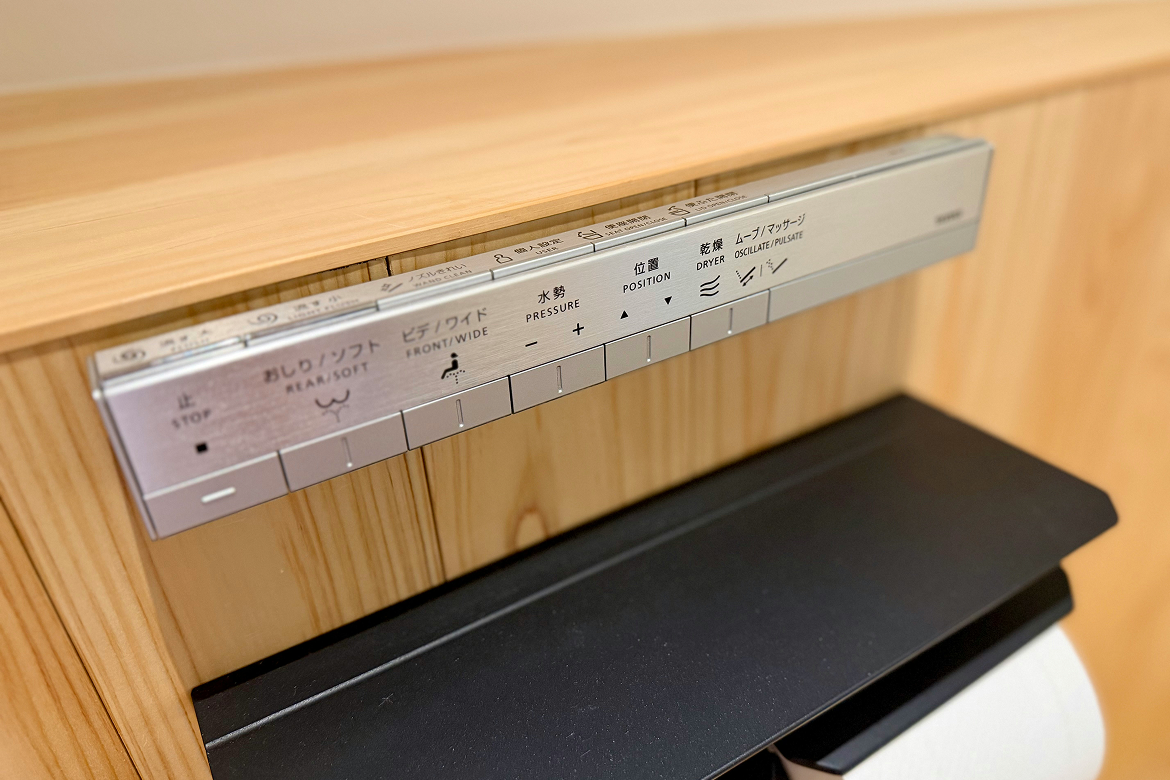


Toto Ltd., best known globally for its high-tech toilets, saw its shares rise 18% to a five-year high following a strong earnings report driven by semiconductor demand. The Japanese company reported that its chip-related business is expanding rapidly, fueled by the global surge in artificial intelligence infrastructure. This comes as demand for memory chips, essential for AI systems, continues to accelerate. The company is now doubling down on this segment with new investments aimed at scaling production and research.
Toto announced plans to invest about $190 million to expand its semiconductor component operations and strengthen research and development. The company produces electrostatic chucks, specialized components used to hold silicon wafers in place during the manufacturing of NAND flash memory. Toto is currently the second-largest producer of these components globally. Sales in its semiconductor division grew 34% year over year, and the unit now contributes more than half of the company’s operating profit, reflecting a significant shift in its business mix.
The pivot is not entirely new but represents an acceleration of an existing strategy. While Toto’s toilet division remains widely recognized for its advanced features, including automated cleaning and deodorizing systems, that segment is facing headwinds. Supply chain disruptions tied to material shortages, particularly adhesives and plastics linked to the Middle East energy crisis, have forced the company to halt new orders temporarily. This contrast has made its semiconductor business increasingly central to overall performance.
What It Means
Toto’s results underscore how the AI boom is reshaping supply chains beyond traditional tech companies. Demand for memory chips, especially NAND flash used in data centers, is creating opportunities for component suppliers that were previously niche players. For businesses, this signals a broader shift where industrial and manufacturing firms can gain relevance in the AI economy. For investors, it highlights how companies with indirect exposure to AI infrastructure may see outsized gains. End users may not interact directly with these components, but they underpin faster and more capable AI systems.
Industry Backdrop
The surge in AI investment has triggered a global race to expand semiconductor capacity, particularly in memory and processing components. Companies across the supply chain, from chipmakers to materials providers, are scaling operations to meet demand. Toto’s move mirrors a wider trend of diversification among traditional manufacturers seeking growth in high-tech sectors. At the same time, supply chain fragility remains a concern, as seen in Toto’s core business challenges. The company’s dual exposure to consumer products and semiconductor infrastructure reflects the evolving intersection of legacy industries and emerging technologies.