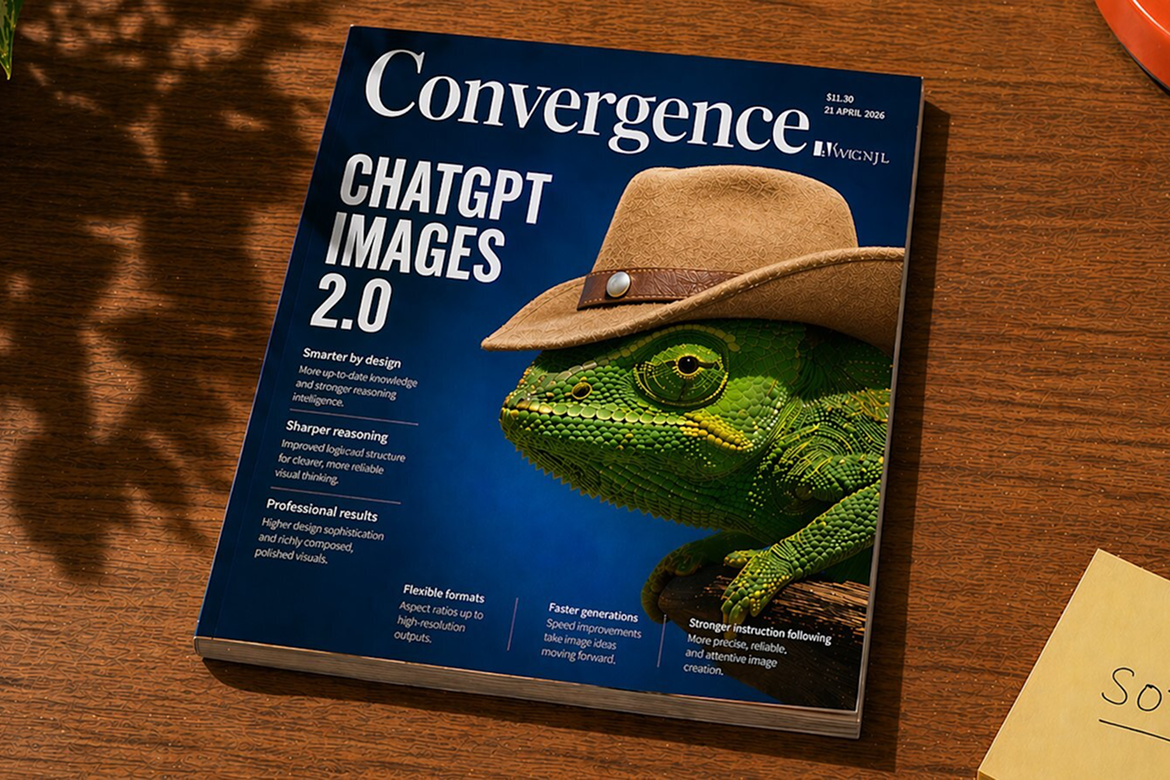


OpenAI has launched ChatGPT Images 2.0, a new image generation model designed to handle complex visual tasks with greater precision, reasoning, and usability. The system is now available across ChatGPT, Codex, and the API, marking a significant step forward in how AI-generated visuals are created and used.
The model introduces major improvements in instruction following, object placement, and text rendering, enabling users to generate images that are immediately usable in real-world workflows. It also supports a wide range of aspect ratios and can produce outputs at up to 2K resolution through the API.
A key addition is “thinking” capability, which allows the model to reason through visual tasks, search for relevant information, and validate outputs before generating images. This shifts image generation from simple rendering toward more structured design and problem-solving.
From Image Generation to Visual Design System
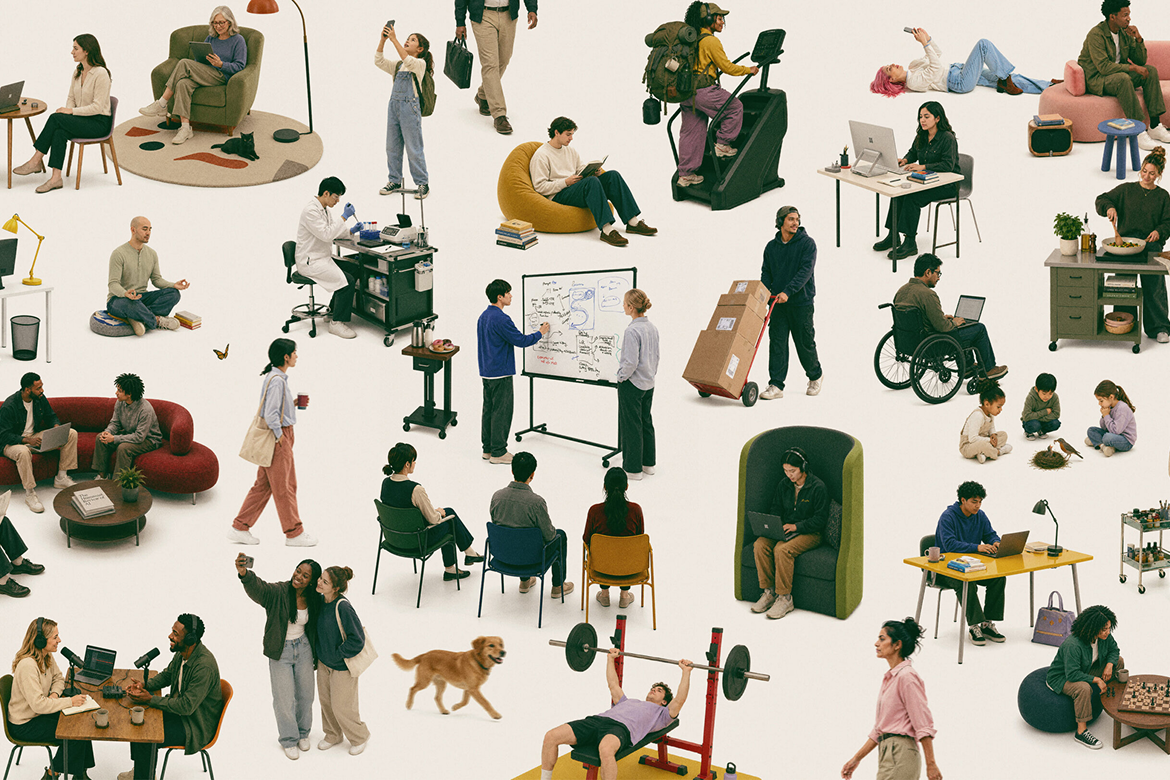
Images 2.0 is designed to go beyond basic image creation, functioning as a broader visual system. It can generate multiple related images from a single prompt, maintain consistency across outputs, and assist with tasks such as storytelling, prototyping, and educational content creation.
The model shows improvements in composition and visual style, producing outputs that appear more intentional and less artificially generated. It also handles dense layouts, UI elements, and detailed text more effectively, areas where earlier models often struggled.
These capabilities make it suitable for use cases ranging from marketing assets and product design to diagrams and instructional materials, where both accuracy and clarity are essential.
Stronger Multilingual and Real-World Understanding
OpenAI said the model delivers improved performance across languages, particularly for non-Latin scripts such as Japanese, Korean, Chinese, Hindi, and Bengali. This allows users to generate visually coherent content that integrates language as part of the design, rather than as an afterthought.
The system also incorporates more up-to-date world knowledge, enabling it to produce contextually accurate visuals for topics such as education, trends, and current events. This is especially relevant for infographics and explanatory content.
In addition, the model offers enhanced realism and stylistic control, supporting a wide range of visual formats including photorealistic images, cinematic scenes, comics, and pixel art.
Integration Across Tools and Workflows
Images 2.0 is integrated into development and creative workflows through Codex and the API. Developers can use the gpt-image-2 model to embed image generation into applications, supporting use cases such as localized advertising, design tools, and content creation platforms.
The model is already being used by companies including Canva, Figma, and Adobe, reflecting growing demand for AI-driven visual tools.
While the system represents a significant advancement, OpenAI noted that limitations remain in areas requiring precise physical modeling or highly detailed structures. The company said it will continue improving accuracy and reliability as the technology evolves.