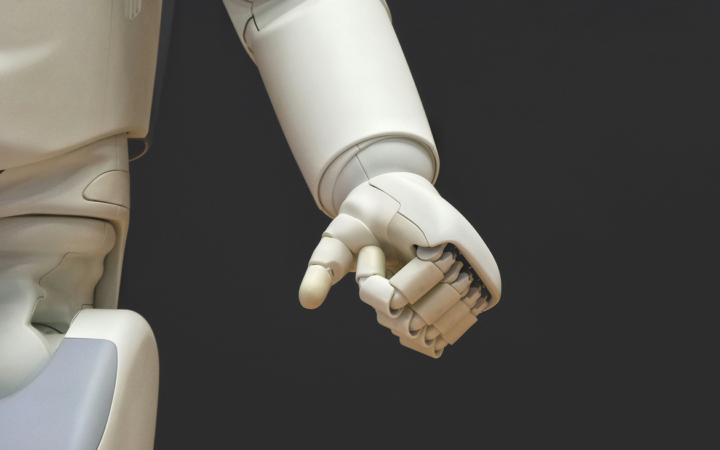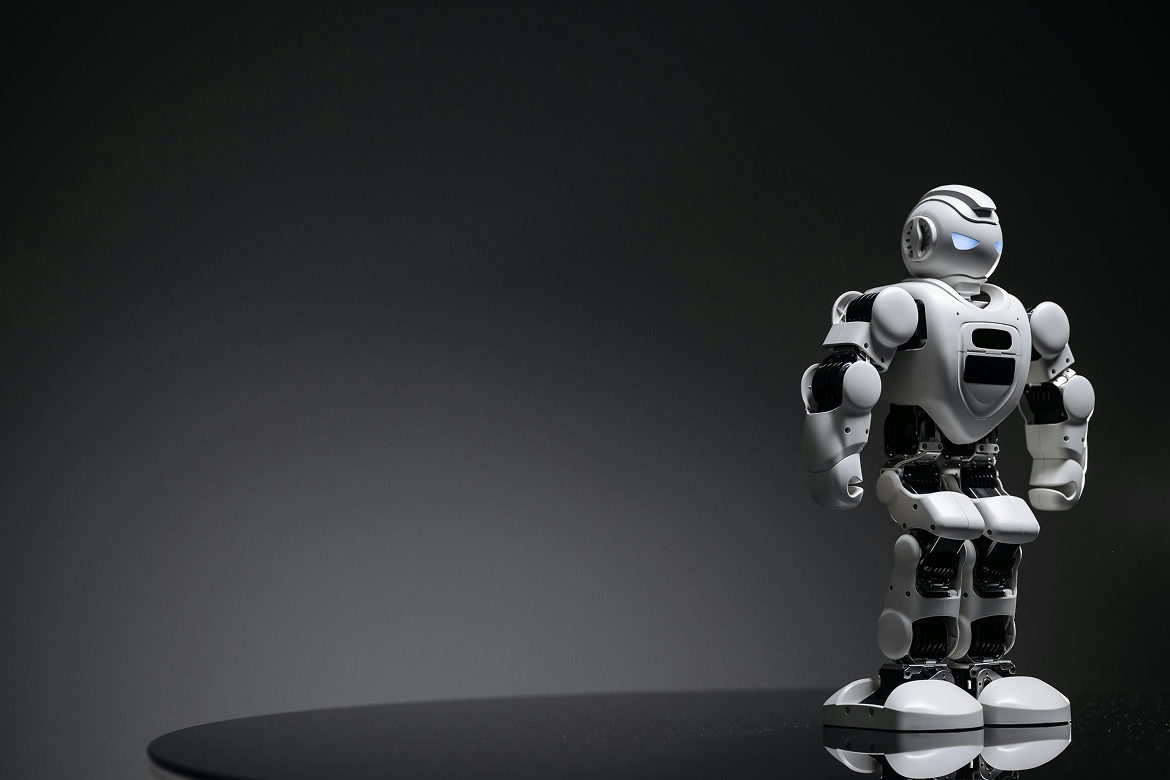

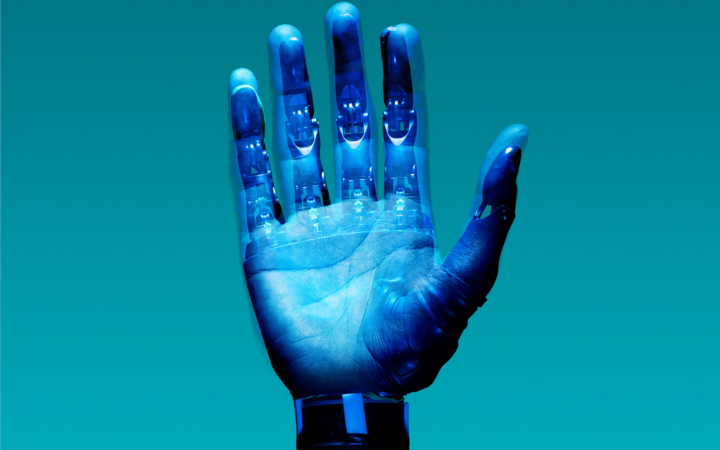
Humanoid robots are rapidly emerging as one of the most closely watched sectors in artificial intelligence, with investors and technology executives increasingly betting that embodied AI could create the next trillion-dollar market opportunity.
SoftBank CEO Masayoshi Son recently told CNBC that physical AI and robotics are where he expects the next trillion-dollar company to emerge. His comments come as major technology companies accelerate investments in humanoid robots designed to perform tasks traditionally handled by humans.
According to a recent Barclays report, the humanoid robotics market is currently worth between $2 billion and $3 billion but could grow to approximately $200 billion by 2035. The bank describes humanoid robots as “automation 3.0,” arguing that they could help address labor shortages created by aging populations, urbanization, and changing workforce preferences.
Early deployments are already underway. Humanoid robots are being used for structured tasks such as moving materials, handling logistics operations, and assisting on manufacturing lines. Barclays expects the first wave of adoption to continue through 2030, particularly in manufacturing, logistics, agriculture, and construction. A second wave is expected to expand into healthcare, elder care, education, hospitality, and other service-oriented industries.
The technology is advancing quickly as improvements in AI models, sensors, computing power, and robotics hardware make humanoid systems more capable of operating in complex environments. Investors increasingly view the sector as a natural extension of recent breakthroughs in generative AI and agentic systems.
China currently dominates the industry, according to Barclays. The country accounts for roughly half of global industrial robot installations and represented approximately 85% of humanoid robot deployments last year. Chinese manufacturers are also producing humanoid robots at significantly lower costs than many Western competitors.
From Digital AI to Physical AI
The rise of humanoid robots reflects a broader shift in the AI industry from purely digital applications toward systems capable of interacting with the physical world.
Unlike chatbots and software agents, humanoid robots combine artificial intelligence with sensors, mobility systems, computer vision, and real-time decision-making. This creates new opportunities across industries but also introduces greater engineering complexity and safety requirements.
Competition is accelerating as major technology companies expand beyond software into physical AI. OpenAI recently launched a dedicated robotics division focused on developing humanoid robots for infrastructure projects and eventual consumer use, placing it in direct competition with Tesla’s Optimus program. The move reflects a broader industry trend as Silicon Valley increasingly views humanoid robots as the next frontier of artificial intelligence, drawing investment and development efforts from Nvidia, OpenAI, Tesla, Meta, and a growing ecosystem of robotics startups.
Several startups are also attracting significant investor interest. Figure AI, one of the most prominent humanoid robotics companies, was recently valued at $39 billion and has signed commercial agreements to deploy robots in distribution and logistics environments.
The Race for the Robotics Economy
Investors increasingly believe that robotics could become one of the largest beneficiaries of the AI revolution. Wedbush analyst Dan Ives described humanoid robots as one of the biggest market opportunities emerging from AI, highlighting Tesla’s Optimus initiative as a key example of the industry’s ambitions.
At the same time, analysts note that success will depend on advances across both software and hardware. The companies building the future robotics ecosystem will need access to AI models, semiconductor technology, sensors, batteries, manufacturing capacity, and specialized computing infrastructure.
Many investors expect Asia to remain at the center of this transformation. Companies such as TSMC, Samsung, MediaTek, Foxconn, and other regional technology suppliers are already deeply embedded in the hardware supply chains that support robotics development.