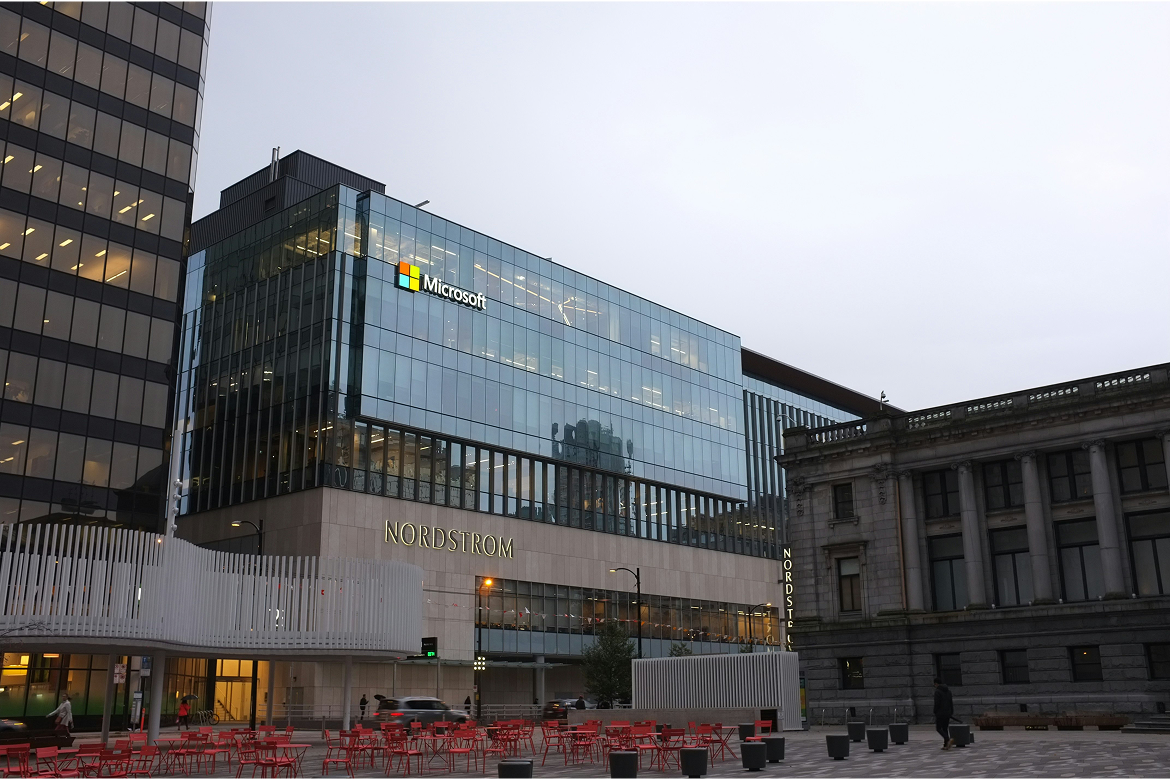


Microsoft is evaluating potential acquisitions of artificial intelligence startups as the company prepares for a future less dependent on OpenAI, according to the report from Reuters. The discussions come as Microsoft accelerates efforts to build its own advanced AI models by next year while navigating growing tensions and shifting agreements with its longtime AI partner.
Earlier this year, Microsoft considered acquiring AI coding startup Cursor, known for its code-generation tools. The company ultimately stepped away from the discussions because of concerns the deal could attract regulatory scrutiny due to Microsoft’s ownership of GitHub Copilot, according to sources familiar with the talks. Shortly after Microsoft withdrew, Elon Musk’s SpaceX, which acquired xAI in February, announced a partnership with Cursor.
Microsoft is also in ongoing discussions with Inception, a startup founded in 2024 by a Stanford University team researching an alternative approach to large language models. Microsoft’s venture arm M12 participated in Inception’s $50 million seed round in late 2025. Sources said Inception recently hired an investment bank and is seeking a valuation above $1 billion.
Inception focuses on diffusion-based language models, a technique more commonly associated with AI image and video generation. Traditional language models generate text one token at a time, while diffusion models generate and refine multiple tokens simultaneously. Researchers say the approach could significantly improve generation speed, although questions remain about whether diffusion systems can scale reliably to the largest frontier models.
The race to build increasingly sophisticated AI systems has intensified across the industry. Researchers estimate leading labs are now training models with roughly 10 trillion parameters, up from around 1 trillion parameters only three years ago. The rapid escalation has driven demand for elite AI researchers, with compensation packages reaching tens of millions of dollars.
The Competitive Stakes
Microsoft’s acquisition strategy highlights how major technology companies are attempting to secure AI talent, infrastructure, and intellectual property as competition intensifies. Building advanced foundation models requires enormous computing resources, specialized researchers, and long development cycles, making acquisitions an increasingly attractive shortcut.
The company also faces mounting competitive pressure from rivals including SpaceX, Google, Amazon, and Meta. Microsoft has invested heavily in AI infrastructure through Azure and its partnership with OpenAI, but recent changes in the relationship suggest both companies are seeking greater independence.
For enterprise customers, Microsoft’s efforts could eventually produce alternative AI systems integrated into products such as GitHub Copilot, Microsoft 365, and Azure AI services. Greater in-house AI development may also reduce Microsoft’s reliance on external model providers over time.
The Road Beyond OpenAI
Microsoft and OpenAI began their partnership in 2019 with Microsoft’s initial $1 billion investment into the startup. The alliance helped establish Microsoft as a leading AI platform provider following the launch of ChatGPT in late 2022.
According to a recent securities filing, Microsoft has provided $11.8 billion of its pledged $13 billion investment into OpenAI. Company executive Michael Wetter testified this week that Microsoft has spent more than $100 billion on OpenAI investments, infrastructure, and hosting costs.
Over time, however, tensions emerged as OpenAI’s computing needs expanded and contractual restrictions limited Microsoft’s ability to develop competing foundation models. The companies have repeatedly revised their agreement, including a late-2025 amendment that allowed Microsoft to pursue artificial general intelligence development independently.
In late April, Microsoft and OpenAI reached another revised agreement giving OpenAI greater flexibility to work with competitors such as Amazon, signaling a more open and less exclusive phase in one of the technology industry’s most influential AI partnerships.