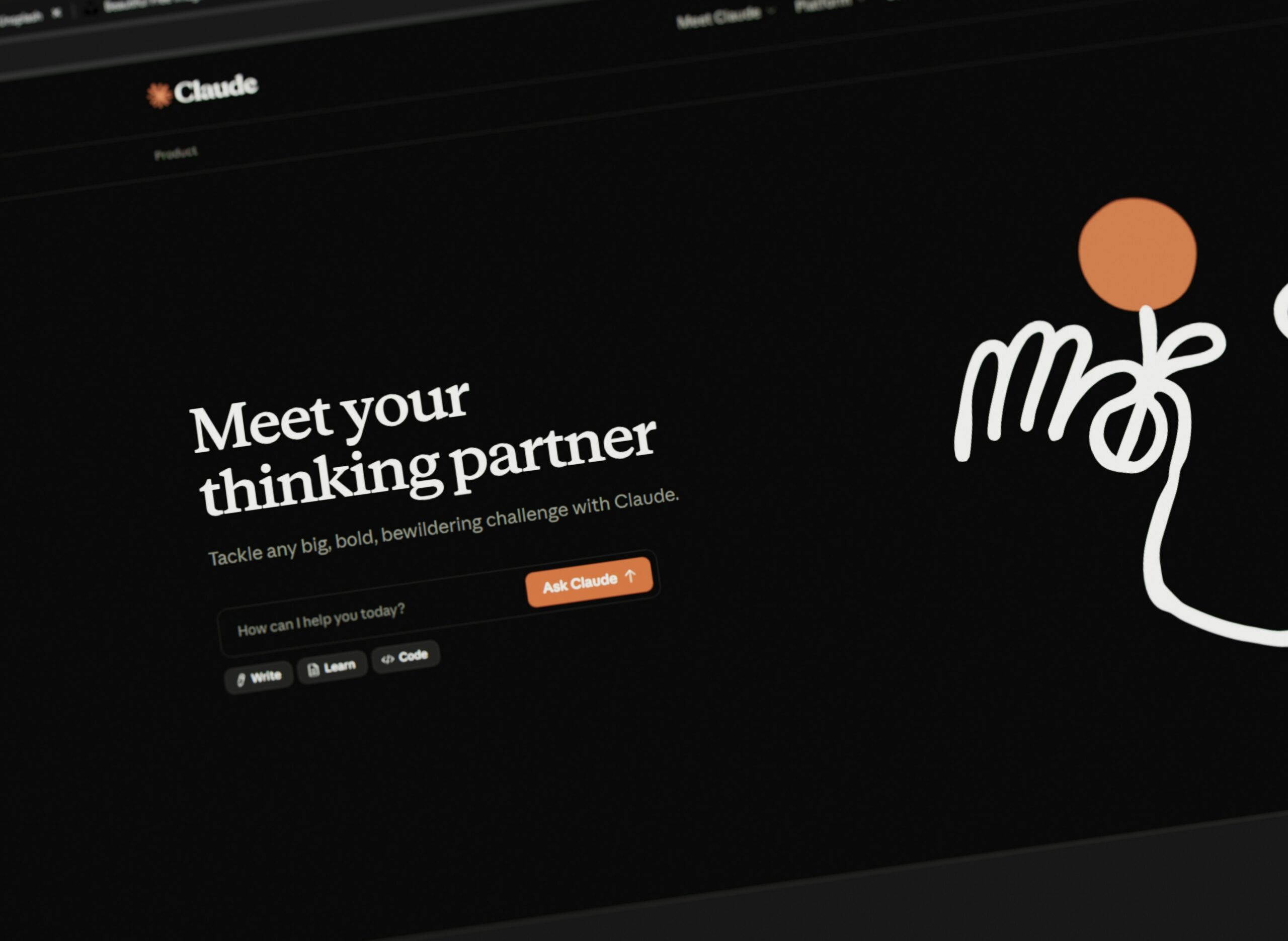

A federal judge in San Francisco granted final approval to Anthropic’s $1.5 billion settlement of a class action brought by authors and publishers who accused the company of using pirated copies of their books to train its Claude AI models.
US District Judge Araceli Martinez-Olguin signed off on the deal, the largest known recovery in the history of US copyright law, rejecting objections that it was too small. The payout delivers about $3,000 per work across an estimated 500,000 books, shared among the rights holders, and rightsholders filed claims covering more than 92% of the works included. Anthropic, which is backed by Amazon and Google, will fund the settlement in installments. It is the first major US AI copyright case to settle.
The settlement resolves a case with a split legal outcome that is essential to understanding it. Now-retired Judge William Alsup ruled last June that training an AI model on copyrighted books qualifies as fair use, a landmark finding widely read as favorable to the AI industry. But he drew a sharp line at how Anthropic obtained the material.
The company built its training library from two sources: books it bought and scanned, which Alsup deemed acceptable, and more than seven million books it downloaded from pirate sites like Library Genesis. Alsup found that downloading and storing pirated books in a central library, separate from the question of training, was itself illegal, and set that piracy claim for trial. Facing potential damages that could have reached into the hundreds of billions of dollars, Anthropic settled rather than go to trial.
The two sides framed the outcome very differently, and both statements are attributed rather than endorsed here. Anthropic’s deputy general counsel emphasized that the deal followed the ruling that training AI on books is fair use, “which remains the law today.” Lead plaintiffs’ attorney Justin Nelson called it the largest copyright recovery in history and said distributions to authors would begin promptly. Judge Martinez-Olguin overruled objections that the sum was inadequate, saying complaints about its size were not grounded in a realistic assessment of a trial’s risks, and awarded plaintiffs’ lawyers more than $101 million of the $187.5 million they sought.
Why Many Authors Aren’t Celebrating
Despite the record figure, a notable share of writers view the settlement as a hollow victory, and the reason lies in what it did and did not decide. The money compensates authors specifically for piracy, the illegal downloading, not for the underlying use of their work to train a commercial AI system, because on that central question Alsup sided with Anthropic.
For many creators, that is the outcome that stings: the ruling effectively blesses training on copyrighted text as fair use, meaning a company that had legitimately purchased the same books would likely have owed nothing. Some objected that $3,000 per book is modest against the value extracted, that the deal overcompensated attorneys, or that it wrongly excluded certain rightsholders. The settlement pays for how the books were acquired while leaving intact the precedent that worries authors most.
The Question the Industry Still Faces
The approval closes this case but settles little for the broader fight, and that distinction is the real significance. Because Alsup’s fair-use ruling was a single district-court decision and Anthropic chose to settle, the case will never reach an appeals court to become binding precedent, leaving other judges free to reach their own conclusions on their own facts.
That is already unfolding across a wave of active suits against Google, Meta, Midjourney and OpenAI over training on copyrighted works, including a class action filed just last week by publishers including Hachette and Elsevier against Google over Gemini.
The Anthropic deal offers a template, that piracy in sourcing carries real liability even if training is defensible, and it signals that acquiring training data cleanly matters enormously. But the foundational legal question of whether training AI on copyrighted material is lawful remains genuinely unresolved, and it will likely take an appellate ruling, or many more of them, before the industry has a durable answer.
Disclaimer: AIstify is an independent media brand owned and operated by NuvexMedia LLC, publishing news, research, and insights on artificial intelligence, emerging technologies, automation, and related industries. NuvexMedia LLC invests in and collaborates with companies across the AI, technology, software, and digital innovation sectors. These relationships do not influence AIstify’s editorial coverage, and the publication maintains full editorial independence to provide accurate, timely, and objective information. © 2026 NuvexMedia LLC. All rights reserved. This content is for informational purposes only and should not be considered legal, tax, investment, financial, or other professional advice.