Rainbow Weather, a climate technology startup focused on hyper-local, short-term weather forecasting, has raised $5.5 million in a seed funding round, according to TechEU. The company develops an AI-driven weather intelligence platform that delivers minute-level forecasts and real-time detection of severe weather events.
Founded in 2021 by Belarusian entrepreneurs Yuriy Melnichek and Alexander Matveenko, Rainbow Weather combines satellite imagery, meteorological radar, ground stations, and smartphone sensor data to model how weather systems evolve in real time. The platform is offered through a consumer-facing mobile app as well as through enterprise data services, positioning Rainbow as an infrastructure provider for businesses that rely on accurate weather intelligence.
Melnichek previously founded AIMatter, acquired by Google, video app Vochi, acquired by Pinterest, and fashion tech startup Wanna, acquired by Farfetch. Matveenko founded AI mapping company MapData, which was acquired by Mapbox in 2017.
From Consumer App to Data Infrastructure
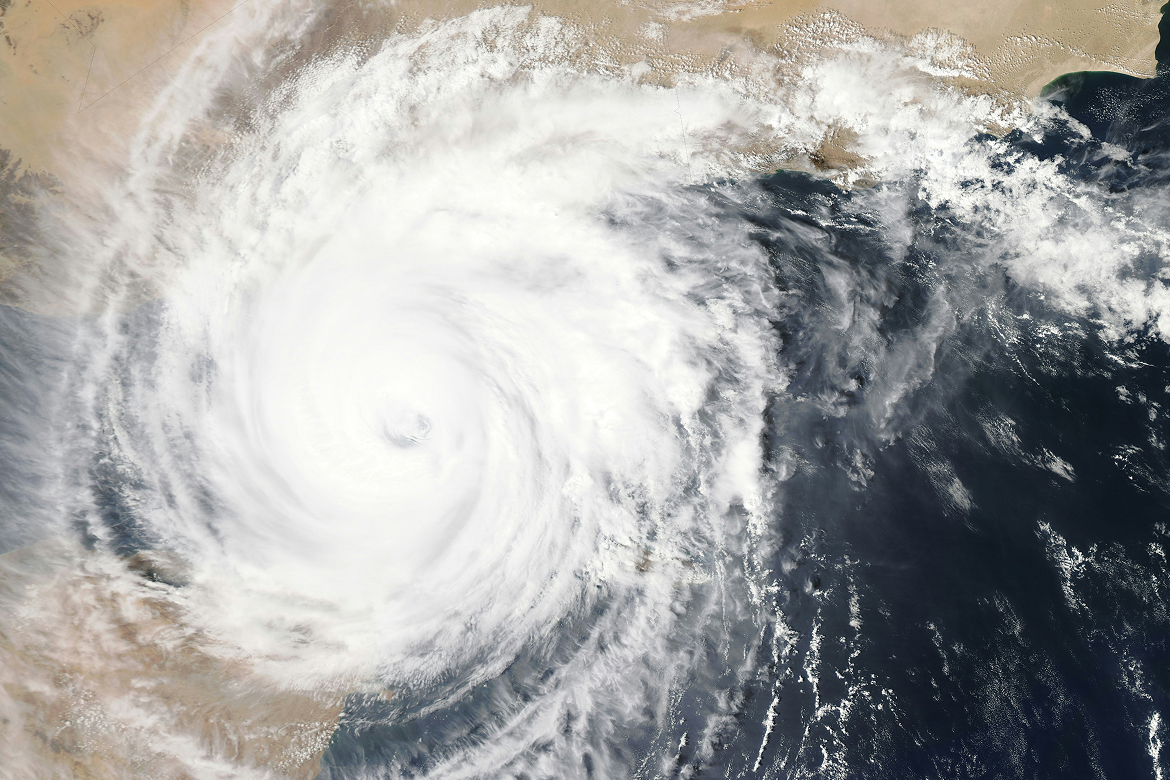
The idea for Rainbow Weather emerged after Melnichek experienced a severe hailstorm while hiking in the Swiss Alps. A popular rain-tracking app predicted the storm would pass, but failed to account for mountainous terrain that caused the cloud system to stall and intensify. The incident highlighted a key limitation of traditional short-term forecasting, which often relies on historical movement patterns rather than real-time atmospheric dynamics.
Rainbow Weather’s platform focuses on nowcasting, predicting what will happen in the next minutes and hours rather than days ahead. The app provides four-hour precipitation forecasts that update every 10 minutes, with spatial resolution down to one square kilometer. By comparison, many established weather services refresh forecasts less frequently and over broader geographic areas.
To achieve this accuracy, Rainbow invests heavily in data acquisition and fusion. The system ingests inputs from more than 1,000 meteorological radars worldwide, multiple satellite systems, ground-based weather stations, and pressure sensors embedded in modern smartphones. Each data source is processed through a dedicated pipeline, with neural networks blending the outputs into a continuously updated atmospheric model.
Continuous Forecasting With AI
Unlike traditional batch forecasting, Rainbow operates on a continuous streaming model. As soon as new data arrives, whether from a radar scan or a satellite frame, it is processed immediately. This approach allows the platform to adjust forecasts in near real time as conditions change.
Rainbow’s models emphasize timing rather than probability. For consumers, the app focuses on clearly indicating when precipitation will start and stop, avoiding probability-based forecasts that users often misinterpret. For enterprise customers, the platform provides full probabilistic data, confidence intervals, and uncertainty metrics.
The company has expanded beyond rainfall forecasting into wildfire detection, using satellite imagery to identify thermal anomalies and smoke patterns. This capability builds on the same global data pipelines, allowing Rainbow to extend its environmental intelligence offerings without rebuilding infrastructure.
Rainbow Weather has surpassed one million app installs and reports more than 100,000 active users. Growth has been driven primarily by word of mouth, with users citing the accuracy of short-term predictions compared with default weather apps.
The funding round was backed by a syndicate of investors, including Yuri Gurski, founder and president of Flo Health. With the new capital, Rainbow plans to extend its forecast horizon to 24 hours, add more weather parameters, and expand its enterprise business.
The funding comes as demand for AI-driven weather intelligence accelerates across industries. The global weather forecasting market is projected to reach $4.07 billion by 2030, driven by growing reliance on precise, real-time environmental data as climate volatility increases. Larger technology companies are also moving into the space. Nvidia recently launched Earth-2, an open AI software stack for weather and climate forecasting designed for researchers, energy companies, and financial institutions. Together, these developments highlight how AI-based platforms like Rainbow Weather are emerging alongside large-scale infrastructure projects as organizations seek faster, more accurate tools to manage weather and climate risk.