Anthropic Launches Claude Design for AI-Powered Visual Creation
Anthropic has introduced Claude Design, a new tool for creating designs, prototypes, and presentations using AI. The product targets both designers and non-designers.
Anthropic has launched Claude Design, a new product that enables users to create visual assets such as prototypes, presentations, and marketing materials through natural language collaboration. The tool is powered by Claude Opus 4.7 and is rolling out in research preview to Claude Pro, Max, Team, and Enterprise subscribers.
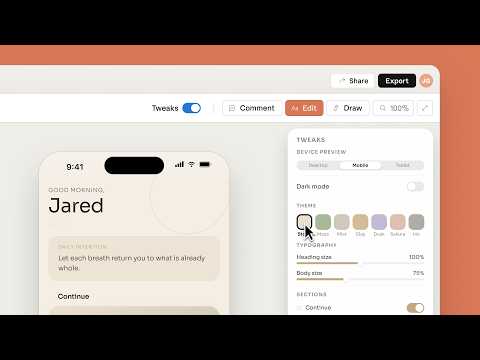
The release marks Anthropic’s expansion beyond text and coding into design workflows, positioning Claude as a broader creative assistant. Users can generate initial designs from prompts and refine them iteratively through conversation, direct edits, or interface controls generated by the model itself.
Claude Design is aimed at both professional designers and non-specialists such as product managers, founders, and marketers. The company says the tool enables faster exploration of ideas, allowing users to create multiple design directions, interactive prototypes, and production-ready assets without traditional design tooling or coding expertise.
Built for Collaborative and Iterative Design
The system is structured around a conversational workflow. Users can start from text prompts, uploaded files such as documents or presentations, or even existing codebases. Claude then generates a visual draft that can be refined through inline comments, layout adjustments, and real-time edits.
A key feature is the ability to automatically generate and apply a company’s design system. During onboarding, Claude can analyze existing design files and code to establish consistent styles, including typography, color schemes, and components. This ensures that outputs remain aligned with brand guidelines across projects.
Claude Design also supports team collaboration, with shared documents and group editing. Teams can control access levels, allowing designs to remain private, viewable, or editable within an organization. Final outputs can be exported in formats such as PDF, PPTX, HTML, or integrated into platforms like Canva.
From Concept to Production Workflow
Anthropic is positioning Claude Design as part of a broader product ecosystem. Designs can be handed off directly to development workflows through integration with coding tools, enabling a transition from prototype to implementation with minimal friction.
The platform supports a wide range of use cases, including interactive product prototypes, wireframes, pitch decks, and marketing assets. It also introduces more advanced capabilities such as generating code-driven prototypes with multimedia elements like video, voice, and 3D components.
The release reflects a broader trend among AI companies to expand into end-to-end creative and productivity tools. By combining generation, editing, and collaboration in a single interface, Claude Design aims to reduce the gap between ideation and execution.
Anthropic said the feature is included within existing subscription plans, with usage tied to model limits. Enterprise access is disabled by default and must be enabled by administrators. The company plans to expand integrations with third-party tools in the coming weeks, suggesting a continued push to embed AI more deeply into everyday creative workflows.
Mistral's reported €3 billion round would fund a 1-gigawatt European compute buildout, yet leaves the OpenAI rival far smaller than US and Chinese rivals.